


 Predogled v realnem okolju
 Pošlji
 Deli
Deli
 Podrobnosti o delu
 Priročnik

 Prenesi sliko
 Podobni izdelki
 Rentgenski posnetek
 Predvajaj diaporama
 Q&A
Q&A Statistika
untitled (5187)


 Preberi več
Giclée tisk / Umetniški tisk
Giclée ali platnati odtis muzejske kakovosti z hitro proizvodnjo in prilagodljivimi možnostmi končne obdelave. ( Kupite ročno slikano delo Preklop na digitalno sliko)




P118B €10

P118H €10

P118W €10

P438Z €10

P508JH €12

P508YH €12

P805H €10

P805Z €10

P919BZ €10

P919G €10

P919XJ €10

P959ZH €10

P968JZ €12

W106C €8

W218G €10

W218JH €8

W218Y €10

W307PJ €10

W316G €10

W316PJ €8

W316Y €10

W398PJ €8

W4111J €10

W500HY €15

W500JH €15

W692G €12

W849H €8

W940BG €15

W953PJ €8




Izberite eno od naših vnaprej določenih velikosti, ki ustrezajo prvotnim proporcijam umetničkega dela.

Vnesite širino in višino, ki jih potrebujete za svoj okvir ali steno. Tiskanje se lahko le odreže, vendar ga ni mogoče narediti večjega od slike, zato format z drugačno obliko pomeni izgubo dela slike. Pred tiskanjem vam pošljemo digitalni predogled za potrditev. Slika, prikazana na tej strani, ne prikazuje dejanskega izrezka — le predogled to omogoča.
Globalna dostava () v 2 tednih namesto standardnih 4/5 tednov. (2 november)

Brezplačna ekspresna dostava po vsem svetu

Visokokakovostno laneno platno

Popolno zavarovanje pošiljke

Garancija povračila carine in uvoznih davkov

Garancija popolnega barvnega ujemanja

100-dnevna politika vračil (le v primeru okvar)

Garancija 100% povračila denarja

Popust pri večjem naročilu
 Možnost stekla je na voljo le za velikosti pod 110 cm

untitled (5187)
Giclée tisk / Umetniški tisk
Velikost reprodukcije
-


Skupna cena
€ 57
A Window Into Faith: The Luminous World of Jan van Eyck
In the quiet corners of fifteenth-century Flanders, a revolution was unfolding, not through the clash of swords, but through the delicate application of oil on panel. Jan van Eyck, a master whose name remains synonymous with the dawn of the Northern Renaissance, captured this transformative era in his untitled masterpiece (5187). This painting is far more than a mere depiction of a religious scene; it is an invitation to step through a portal into a world where the divine and the earthly are inextricably linked. As one gazes upon the composition, there is an immediate sense of profound stillness, a meditative atmosphere that draws the viewer into a sacred dialogue between the figures and the light that bathes them.
The scene unfolds before a doorway, a threshold that serves as a powerful metaphor for spiritual transition. A woman, draped in a vibrant, commanding red—a hue traditionally evocative of both royal dignity and divine grace—stands as the focal point of this devotion. She holds aloft a book, perhaps a sacred scripture, her posture suggesting a moment of deep contemplation or the sharing of holy wisdom. Beside her, a figure in somber black provides a grounding contrast, creating a visual balance that mirrors the duality of human existence: the earthly struggle and the spiritual aspiration. The presence of birds, perched subtly within the frame, adds a layer of naturalistic grace, reminding us that even the smallest creatures are part of this divine tapestry.
The Alchemy of Light and Oil
What truly elevates this work to the status of a cornerstone of Early Netherlandish art is Van Eyck’s pioneering mastery of the oil medium. Before his innovations, artists primarily relied on tempera, which often resulted in flat, opaque surfaces. Van Eyck, however, utilized glazing techniques—the meticulous layering of thin, translucent washes of pigment over thicker undercoats. This process allowed light to penetrate the paint layers and reflect back from within, creating an unprecedented luminosity and a sense of "inner glow" that seems to emanate from the woman’s very skin and the heavy textures of the books.
This technical brilliance allows for an astonishing level of detail that captivates the eye and rewards prolonged study. One can almost feel the weight of the leather bindings on the shelves, the crispness of the paper, and the soft way light dances across the surfaces. For the collector or interior designer, this level of detail offers a profound depth; a high-quality reproduction of such a piece does not merely decorate a wall—it provides a focal point of intellectual and sensory richness, bringing a sense of historical weight and quiet sophistication to any curated space.
Symbolism and the Soul of the Northern Renaissance
Beyond the technical marvels lies a rich, coded language of symbolism that was central to the fifteenth-century mind. Every element in "Untitled (51 187)" is a deliberate choice intended to provoke thought. The books scattered throughout the scene, some resting on shelves and others held in trembling hands, serve as symbols of knowledge, piety, and the pursuit of divine truth through study. The interplay between the red and black garments further reinforces themes of passion and mourning, or life and death, creating a narrative tension that keeps the viewer emotionally engaged.
To possess or display a work inspired by Van Eyck is to embrace a legacy of meticulous observation and spiritual depth. This painting serves as a testament to a time when art was a bridge between the seen and the unseen. Whether viewed as an academic triumph of the Northern Renaissance or as a breathtaking piece of decorative fine art, the work continues to inspire awe, offering a timeless sanctuary of peace and beauty for the modern home.
Vprašanja in odgovori
Kako se delo "untitled (5187)" vklapa v tematiko in slog umetnika Jan Van Eyck?
"untitled (5187)" pripada Early Netherlandish Painting obdobju v ustvarjalnosti umetnika Jan Van Eyck, katerega značilne teme vključujejo influenced by gothic tradition, faith, spirituality, patronage significance.
Kakšna je svetlobnost dela "untitled (5187)" avtorja Jan Van Eyck?
"untitled (5187)" avtorja Jan Van Eyck ima Soft Shadow luminanco. Luminanca opisuje, koliko svetlobe se zdi, da barve odražajo.
Kakšno stopnjo kontrasta prikazuje "untitled (5187)" avtorja Jan Van Eyck?
"untitled (5187)" avtorja Jan Van Eyck prikazuje Balanced kontrast med svetlim in temnimi cončami.
Sorodna umetniška dela


Biografija umetnika
Življenje Osvetljeno: Svet Jana van Eycka
Jan van Eyck, ime tesno povezano z začetkom zgodnje nizozemske slike in revolucionarno uporabo oljne barve, ostaja skrivnostna figura kljub njegovemu ogromnemu vplivu na umetnostno zgodovino. Rojen okoli leta 1390 v Maastrihu, ki se danes nahaja na Nizozemskem, je Van Eyck prišel iz družine, globoko ukoreninjene v umetniški tradiciji – njegov starejši brat Hubert je prav tako deloval kot slikar, čeprav podrobnosti o njegovem delu ostajajo nejasne. Čeprav so natančne biografske podrobnosti, zlasti glede njegovih začetnih let, redke, je jasno, da je Jan imel prirojeni talent in hitro pridobil ugled v umetniških krogih svoje dobe. Že leta 1422 je že ustanovil delavnico v Hagi, zaposloval pomočnike in sprejemal naročila, ki so napovedovala njegovo mojstrstvo. Ta zgodnji uspeh ni temeljil le na umetniški spretnosti; Van Eyck je bil inteligenten in zaupanja vreden človek, kvalitete, ki ga bodo kmalu pripeljale do službe pri pomembnih pokroviteljih.Služba Burgundiji: Diplomacija in Umetniško Razcvetenje
Prelomni trenutek v karieri Van Eycka je prišel z njegovo imenovanjem na burgundski dvor, najprej pod Johnom III. Brezsrčni in kasneje Filipom Dobrim. To ni bila le ureditev pokroviteljstva; Van Eycku so zaupali diplomatske misije, kar kaže na samozavest vojvode v njegovo diskretnost in intelekt. Ta potovanja po Evropi – vključno s popotovanji v Portugalsko in Španijo – so ga izpostavila različnim kulturam in umetniškim vplivom, ki so subtilno oblikovali njegov razvijajoči se slog. Dvor je zagotovil ne le finančno varnost, ampak tudi dostop do virov, ki mu je omogočala, da se ukvarja z ambicioznimi projekti in s tem prestopal meje umetniškega dosegljivosti. Ni bil le slikar *za* burgundsko elito; postal je sestavni del njihovega sveta, odražal in izboljševal njihov prestiž s svojo umetnostjo. Ta edinstvena pozicija mu je omogočila raven umetniške svobode, ki jo redko doživljajo slikarji tiste dobe, kar je omogočalo eksperimentiranje in inovacije, ki bodo za vedno spremenile potek slikanja.Alkemija Olja: Revolucija Tehnike
Čeprav ni izumil oljne barve – njena uporaba predzati Van Eycka – je nedvomno njen mojster perfekcionist. Pred njegovimi inovacijami je bila tempera prevladujoča tehnika, ki ponujala omejene zmeševalne možnosti in relativno matni zaključek. Van Eyck je izkoristil polni potencial oljne barve s skrbnim nanašanjem prosojnih slojev, kar je omogočilo doslej neznano raven podrobnosti, sijaja in realizma. Ta tehnika je omogočila subtilne gradacije tonov, bogatejše barve in ustvarjanje tekstur, ki so posnemale življenje samega. Učinek je bil transformativen; površine so se zdela sveteti iz notranjosti, tkanine so imele opazno taktilnost, portreti pa niso zajemali le podobe, ampak tudi psihološko globino. Njegovo mojstrstvo ni bilo zgolj tehnično – bil je to alkimističen proces, ki je pigmente spreminjal v nekaj, kar je spominjalo na živo realnost. Ta inovacija ni ostala neopažena; postala je temelj za generacije slikarjev, ki so sledili, in temeljna sprememba pokrajine zahodne umetnosti.Delo in Trajni Zapuščina
Van Eyckova umetniška zapuščina je utrjena s relativno majhnim, a izjemno vplivnim korpusom dela. Gentska oltarja (1432), monumentalna poliptih, stoji kot njegovo najambicioznejše podjetje – kompleksen gobelin verske simbolike in tehnične briljantnosti. Prav tako priznan je Portret Giovannija Arnolfinija in njegove žene (1434), revolucionarno delo v portreturi, proslavljeno zaradi realizma, izjemne podrobnosti in skrivnostne simbolike. Med drugimi pomembnimi deli sta Dresdenski triptih, ki prikazuje njegovo spretnost pri upodabljanju verskih prizorov z izjemno jasnostjo, ter osupljiv Mož v modrem turbanu, priča njegove sposobnosti zajeti posameznikovo podobo. Ta dela niso le vizualne reprezentacije; so okna v drug svet – svet natančno upodobljen s skoraj obsesivno pozornostjo do podrobnosti. Van Eyckov vpliv sega daleč onkraj teh ikoničnih del, oblikuje razvoj zgodnje nizozemske slike in navdihuje neshtetne umetnike skozi stoletja. Umrl je leta 1441 v Bruggeju in za sabo pustil zapuščino, ki še danes odzvanja, opominjajoč nas na moč umetnosti pri osvetljevanju človeške izkušnje.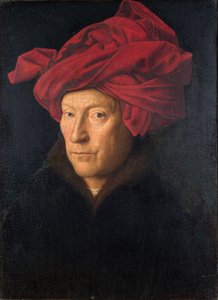
Jan Van Eyck
1390 - 1441 , Nizozemska
Hitri podatki
- Datum Rojstva: okoli 1390
- Datum Smrti: 1441
- Kraj Rojstva: Maastricht, Nizozemska
- Nacionalnost: Flemsko
- Pod Vplivom: ['Zgodnji Nizozemci']
- Polno Ime: Jan van Eyck
- Umetniški Slog: Zgodnje nizozemsko slikarstvo
- Znani Dela:
- Gentska oltarja
- Portret Arnolfinija
- Dresdenski triptih
Sorodni članki

Early Netherlandish Renaissance: A Professional Guide to Mastering Detail and Realism for Luxury Interior Design
Expert guide for hotel designers on sourcing Early Netherlandish Renaissance reproductions. Discover how the hyper-realism of Jan van Eyck can elevate hospitality interiors through high-quality, large-scale oil paintings and custom multi-panel installations.


