


 Preverite v realnem okolju
 Pošlji kot čestitko
 Deli
Deli
 Podrobnosti
 Guide
Guide

 Prenesi
 Podobni artefakti
 Rentgenski posnetek
 Predvajaj diaporama
 Statistika
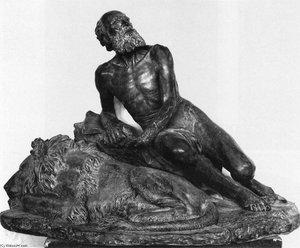
The Death of Hippolytus


 Preberi več
Ročno izdelana oljna reprodukcija
Ročno slikano olje na platnu v vaši izbiri velikosti in okvirja, izdelano po naročilu naših umetnikov. ( Preklop na tiskanine Preklop na digitalno sliko)




































Izberite eno od naših vnaprej določenih velikosti, ki ustrezajo prvotnim proporcijam umetničkega dela.

Svoje dimenzije lahko vnesete tako, da se prilagodite določenemu okvirju ali prostoru. Če izbrana velikost ne ustreza razmerjem originalne slike, bomo umetniško delo obrezali ali sliko dopolnili z dodatnimi ročno naslikanimi elementi. Pred začetkom proizvodnje vam bo poslan digitalni osnutek v odobritev.
Upoštevajte, da predogled na zaslonu ne odraža dejanskega obrezovanja ali podaljšanja. Le osnutek bo natančno prikazal končno kompozicijo.
Čeprav so na voljo velikosti po meri, priporočamo izbiro dimenzije s preddefiniranega seznama, da ohranimo originalne razmere.
Po oddaji naročila bo ekipa AllPaintingsStore.com stranki po e-pošti poslala navodila in predogled digitalnega predogleda.
Mednarodna dostava () v 3/4 tednih namesto običajnih 5 tednov. (21 september). Brez kompromisov pri kakovosti.

Brezplačna ekspresna dostava po vsem svetu

Visokokakovostno laneno platno

Popolno zavarovanje pošiljke

Garancija povračila carine in uvoznih davkov

Garancija popolnega barvnega ujemanja

Politika vračila v 100 dneh (le v primeru okvar)

Garancija 100% povračila denarja

Popust pri večjem naročilu
 Možnost stekla je na voljo le za velikosti pod 110 cm

The Death of Hippolytus
Tehnika reprodukcije
Velikost reprodukcije
-


Skupna cena
$ 283
Sorodna umetniška dela




Biografija umetnika
The Sculptor Who Shaped Versailles
Jean-Baptiste Lemoyne (1714 – 1785) stands as a monumental figure in the artistic landscape of the Rococo era, primarily recognized for his transformative contributions to the opulent palaces and gardens of Louis XV’s France. More than just a craftsman, Lemoyne was an intellectual innovator who skillfully blended classical ideals with flamboyant ornamentation—a hallmark of the style that captivated European royalty and aristocracy alike. His legacy resides not only in the breathtaking sculptures adorning Versailles but also in his profound influence on subsequent generations of artists.
Lemoyne’s early life remains somewhat shrouded in mystery, born in Montreal, Canada, amidst a family steeped in Huguenot traditions. Despite facing considerable hardship during the Great Protestant Revolt, he demonstrated exceptional talent from a young age, attracting the patronage of influential figures who nurtured his artistic ambitions. This formative period instilled within him a deep appreciation for both humanist philosophy and meticulous observation—qualities that would prove invaluable throughout his prolific career. He moved to Paris in 1736 where he quickly established himself as a sculptor’s apprentice under Nicolas Fouquet, a position that exposed him and his developing talent to the grandeur of royal commissions and cemented his understanding of artistic excellence.
A Master of Rococo Splendor
Lemoyne's sculptural output during Louis XV’s reign was nothing short of astonishing. He embarked on ambitious projects for Versailles, transforming the palace into a veritable embodiment of Rococo splendor. His sculptures—particularly those depicting mythological figures and allegorical scenes—were characterized by their graceful curves, delicate drapery, and vibrant colors. Through his hands, stone and marble ceased to be mere minerals and instead became fluid expressions of movement and light.
The artist possessed a unique ability to breathe life into the rigid medium of sculpture. Consider his monumental Apollo Belvedere, painstakingly recreated in marble to honor Louis XV’s birthday, or the breathtaking Venus Italica, which embodies the sensual beauty championed by the era's aesthetic. His work often sought to capture a specific moment of grace, a fleeting breath caught in the permanence of stone, making his pieces feel as though they were part of a living, breathing courtly dance.
Legacy and Artistic Significance
Beyond the grand scale of his public monuments, Lemoyne’s mastery extended into the intimate realm of portraiture. He became a premier sculptor of the French elite, capable of rendering not just the physical likeness of his subjects but their very essence. His ability to balance the formal requirements of royal portraiture with the soft, emotive qualities of the Rococo style allowed him to create works that felt both authoritative and deeply human.
The historical significance of Jean-Baptiste Lemoyne lies in his role as a bridge between eras. While his work is the pinnacle of the Rococo movement, his technical precision and respect for classical form laid the groundwork for the transition toward Neoclassicism. His influence can be seen in the works of contemporaries and successors who sought to balance the decorative with the profound. Today, his contributions remain an essential chapter in the story of French art, serving as a testament to an era where sculpture was used to define the very identity of a nation.

jean baptiste i lemoyne
1714 - 1785 , Canada
Ključne informacije
- Artistic Movement Or Style: Rococo Sculpture
- Artists Or Movements Influenced By This Artist: ['Jean Oudry']
- Artists Who Influenced This Artist: ['François Girardon']
- Date Of Birth: 1714
- Full Name: Jean-Baptiste Lemoyne
- Nationality: French
- Notable Artworks: ['Apollo Belvedere']
- Place Of Birth: Montreal, Canada

