


 Predogled v realnem okolju
 Pošlji
 Deli
Deli
 Podrobnosti o delu
 Priročnik

 Prenesi sliko
 Podobni izdelki
 Rentgenski posnetek
 Predvajaj diaporama
 Q&A
Q&A Statistika
The Four Elements: Fire
 Oil On Canvas
- WallArt
- Northern Renaissance
 1570
1570 158.0 x 215.0 cm
 Narodna galerija
 Preberi več
Giclée tisk / Umetniški tisk
Giclée ali platnati odtis muzejske kakovosti z hitro proizvodnjo in prilagodljivimi možnostmi končne obdelave. ( Kupite ročno slikano delo Preklop na digitalno sliko)




P118B €10

P118H €10

P118W €10

P438Z €10

P508JH €12

P508YH €12

P805H €10

P805Z €10

P919BZ €10

P919G €10

P919XJ €10

P959ZH €10

P968JZ €12

W106C €8

W218G €10

W218JH €8

W218Y €10

W307PJ €10

W316G €10

W316PJ €8

W316Y €10

W398PJ €8

W4111J €10

W500HY €15

W500JH €15

W692G €12

W849H €8

W940BG €15

W953PJ €8




Izberite eno od naših vnaprej določenih velikosti, ki ustrezajo prvotnim proporcijam umetničkega dela.

Vnesite širino in višino, ki jih potrebujete za svoj okvir ali steno. Tiskanje se lahko le odreže, vendar ga ni mogoče narediti večjega od slike, zato format z drugačno obliko pomeni izgubo dela slike. Pred tiskanjem vam pošljemo digitalni predogled za potrditev. Slika, prikazana na tej strani, ne prikazuje dejanskega izrezka — le predogled to omogoča.
Globalna dostava () v 2 tednih namesto standardnih 4/5 tednov. (28 oktober)

Brezplačna ekspresna dostava po vsem svetu

Visokokakovostno laneno platno

Popolno zavarovanje pošiljke

Garancija povračila carine in uvoznih davkov

Garancija popolnega barvnega ujemanja

100-dnevna politika vračil (le v primeru okvar)

Garancija 100% povračila denarja

Popust pri večjem naročilu
 Možnost stekla je na voljo le za velikosti pod 110 cm

The Four Elements: Fire
Giclée tisk / Umetniški tisk
Velikost reprodukcije
-


Skupna cena
€ 56
A Kitchen’s Revelation: Joachim Beuckelaer and the Dawn of Still Life
Joachim Beuckelaer's "The Four Elements: Fire" isn’t merely a depiction of a bustling 16th-century kitchen; it’s a carefully constructed tableau, a microcosm of daily life imbued with subtle symbolism and a burgeoning artistic ambition. Born in Antwerp around 1533, Beuckelaer emerged from the vibrant artistic milieu of his family – his father, Mattheus Beuckeleer, and uncle, Pieter Aertsen – to become a master of scenes that elevated the commonplace to an extraordinary level. Unlike earlier depictions of domesticity, which often prioritized religious narrative, Beuckelaer’s kitchen scenes, and indeed this particular “Fire,” began to shift the focus towards observing and celebrating the tangible realities of existence itself. This wasn't simply painting what he saw; it was a deliberate act of elevation, laying crucial groundwork for the eventual development of still life as an independent genre within art history.
The painting immediately draws the eye with its astonishing detail – twelve figures are present, engaged in a symphony of activity: cooking, eating, preparing ingredients. Bowls overflow with produce, knives gleam on tables, and the presence of an oven and sink anchors the scene to the practicalities of daily life. However, it’s not just the abundance that captivates; it's the arrangement, the carefully considered placement of objects, and the subtle interplay of light and shadow that create a sense of palpable realism. Beuckelaer’s skill lies in his ability to render textures – the rough grain of wood, the sheen of polished metal, the plumpness of fruit – with an almost photographic precision.
The Language of Elements: Symbolism Within the Scene
“Fire” is one of a set of four paintings exploring the classical elements—Earth, Water, Air, and Fire—and Beuckelaer masterfully integrates these themes into his everyday subject matter. The title itself immediately establishes this elemental framework. Beyond the immediate depiction of a kitchen scene, the painting operates as a complex allegory. The central focus – the preparation of food over an open fire – is inherently linked to the element of Fire, but Beuckelaer doesn’t stop there. Look closely, and you'll notice subtle references to the other elements woven throughout the composition. The abundance of fruits and vegetables speaks to Earth, while the presence of water (in the sink and implied in the cooking process) represents Water. Even the figures themselves contribute to the overall narrative – their actions and gestures subtly reinforce the elemental themes.
Crucially, Beuckelaer doesn’t simply depict these elements; he juxtaposes them with a dramatic backdrop: a meticulously constructed architectural scene featuring Christ, Martha, and Mary in the House of Bethany. This pairing is not arbitrary. It represents a deliberate contrast between the earthly pleasures of the senses – represented by the kitchen scene—and the spiritual realm. The inclusion of biblical figures serves as a moral compass, reminding viewers to temper their desires with faith and virtue. The arrangement of objects within the kitchen itself can be interpreted as a symbolic representation of temptation and restraint.
A Pioneering Technique: Perspective and Illusion
What truly distinguishes “The Four Elements: Fire” is Beuckelaer’s innovative use of perspective and illusionistic techniques. The scene feels remarkably three-dimensional, despite being painted on a relatively flat wooden panel. He employs multiple vanishing points to create the impression of depth and space, drawing the viewer into the heart of the kitchen. This masterful manipulation of perspective was groundbreaking for its time, pushing the boundaries of realism in Northern European painting. The sheer number of objects depicted – bowls, utensils, foodstuffs—further enhances this illusionistic effect, creating a sense of overwhelming abundance that is both captivating and slightly disorienting.
Furthermore, Beuckelaer’s attention to detail extends beyond mere representation; he imbues his figures with a remarkable degree of personality. Each individual seems engaged in their own activity, contributing to the overall dynamism of the scene. This level of realism was unprecedented for its time and demonstrates Beuckelaer's exceptional skill as an artist.
A Window into a World Transformed
“The Four Elements: Fire” is more than just a painting; it’s a snapshot of a rapidly changing world. As the Renaissance progressed, artists began to move away from solely religious subjects and towards depicting scenes of everyday life with increasing realism and attention to detail. Beuckelaer's work stands as a pivotal moment in this transition, marking a shift towards a more secular and humanistic approach to art. Reproductions of this captivating piece offer a unique glimpse into the domestic life of 16th-century Antwerp, while simultaneously revealing the burgeoning artistic ambition that would ultimately shape the course of Western art history. It’s a testament to Beuckelaer's ability to transform the mundane into the magnificent.
Vprašanja in odgovori
Kakšno paleto barv in kakšen občutek združuje "The Four Elements: Fire"?
"The Four Elements: Fire" avtorja Joachim Beuckelaer združuje Earthy paleto barv z Mysterious tonom.
Ali je "The Four Elements: Fire" avtorja Joachim Beuckelaer znano umetniško delo?
"The Four Elements: Fire" je razvrščeno kot Recognized.
Kje lahko kupim ročno slikano reprodukcijo dela "The Four Elements: Fire" avtorja Joachim Beuckelaer?
"The Four Elements: Fire" je na voljo kot ročno slikana oljna reprodukcija na lnenem platnu. Naročilo lahko oddate na njegovi strani Ročno slikana reprodukcija, kjer lahko izbirate med različnimi velikostmi.
Sorodna umetniška dela


Biografija umetnika
Življenje potopljeno v vsakdan: Joachim Beuckelaer in preroditev mrtve narave
Joachim Beuckelaer, ime, ki je morda manj takoj prepoznavno kot imena njegovih sodobnikov, zavzema ključno mesto v zgodovini flandrijske slikarstva. Rodil se je okoli leta 1533 v Antwerpu, mestu, ki je takrat žarelo od umetniških novosti, in izstopal kot mojster prizorov, ki prikazujejo živahni svet tržnic in kuhinj. To niso bile le navadne priredbe vsakdana; bili so to skrbno konstruirani narativi, pogosto subtilno prepleteni z religijskim simbolizmom, ki so napovedovali premik umetniškega fokusa – premik k opazovanju in slavljenju oprijemljivih realij obstoja ob hkrati ohranjanju tradicionalnih duhovnih tem. Beuckela v ni le slikarič tistega, kar je videl; dvignil je prihajajoče v raven, vredno umetniške pozornosti, s čimer je postavil pomembne temelje za razvoj mrtve narave kot samostojnega žanra. Njegova družinska predenje, poglobljeno v umetnost – njegov oče, Mattheus Beuckeleer, in stric, Pieter Aertsen, sta bila oba uveljavljena slikarja – mu je omogočila zgodnjo izpostavljenost in izobraževanje. Prav v stricovem atelierju je verjetno izpilil svoje veščine, pri čemer je sprejel Aertsenov pionirski pristop k tržnim scenam, preden ga je na koncu presegel v tehnični dovršenosti in subtilnem pripovedovanju.Antwerpski atelier in umetniška razvojnost
Antwerp v 16. stoletju je bil živahno središče trgovine in kulture, Beuckaerjeva umetnost pa ta energijo odraža. Leta 1560 je postal samostojni mojster v Svetem Luci in s tem utrdil svoj položaj v umetniški skupnosti. Vendar pa ni le kopiral Aertsenovega sloga; on ga je izpilil, z dodajanjem plasti kompleksnosti in podrobnosti. Medtem ko je Aertsen pogosto prikazoval nekakšno kaotično obilje, je Beuckelaer svojim kompozicijam prinesel večjo občutek reda in jasnosti. Njegove scene so metično urejene, vsak predmet pa je slikarski prikazan z izjemno natančnostjo – s sijajanjem ribjih kosčič, polnostjo sadja ali leskotom medicinskega olova. Ta predanost realizmu ni bila le vprašanje tehnične veščine; šlo je za prisotnost in pomembnost, ki jih je v te vsakdanje predmete vnesel. Serija Štiri elemente stoji kot spomennik temu pristopu – sklop slik, ki prikazuje ribje tržnice, hkrati pa slavi obilje narave in subtilno nakazuje na biblične zapovedi, kjer dvanajst vrst rib predstavlja apostole, v ozadju pa se odvija Kristovo čudo z kruhem in ribami. Ta sposobnost neopaznega združevanja svetovnega in svetega je postala značilnost njegovega dela.Dediščina in vpliv: Most do novih umetniških obzorij
Vpliv Joachima Beuckelaera se je razširil daleč čez njegovo lastno življenje. Njegove podrobne priredbe vsakdana so pavedile pot novi generaciji umetnikov, ki bodo še naprej raziskovali možnosti slikanja mrtve narave. Umetniki, kot je Frans Snyders, znan po svojih obilnih in zapletenih prikazih hrane, so neposredno gradili na temeljih, ki jih je postavil Beuckelaer. Njegov vpliv ni bil omejen le na severno Evropo; njegovo del je odmevalo tudi pri italijanskih slikarjih, kot je Vincenzo Campi, kar dokazuje široko privlačnost njegovega inovativnega pristopa. S tem ko je fokus premaknil iz primarno religijskih tem v bolj svetovne predmete – pri čemer je še vedno ohranil subtilen duhovni podton – je Beuckelaer igral ključno vlogo pri transformaciji flandrijske umetnosti in napovedal umetniške trende, ki bodo definirali prihajajoča stoletja. Umrl je okoli leta 1573 in za seboj pustil korpus del, ki nas še vedno očarava in navdihuje, ter nas opominja na lepoto in pomen, ki so skriti v običajnih trenutkih življenja.
Joachim Beuckelaer
1533 - 1573 , Belgija
Hitri podatki
- Artistic Movement Or Style: Renaissance art
- Artists Or Movements Influenced By This Artist:
- Frans Snyders
- Vincenzo Campi
- Artists Who Influenced This Artist: ['Pieter Aertsen']
- Date Of Birth: ok. 1533
- Date Of Death: ok. 1573
- Full Name: Joachim Beuckelaer
- Nationality: flamstvo
- Notable Artworks:
- serija štiri elementi
- kuhinjska scena s Kristom
- natura mrtva s trupljem
- Place Of Birth: Antverp, Belgija
Sorodni članki

Silent Narratives: Exploring the Enduring Appeal of Still Life Painting Across Centuries
Explore the rich history of still life painting with AllPaintingsStore. Discover Dutch Masters, decode vanitas symbolism & learn about collecting timeless art. Expert insights and museum-quality reproductions.

Abraham Hendricksz van Beyeren: Pioneering Dutch Still Life & the Banquet Tradition
Explore the captivating world of Dutch Golden Age still life with Abraham van Beyeren. Discover his innovative techniques, symbolic banquet scenes & lasting influence on art history. Learn about collecting these masterpieces.

The Enduring Appeal of Still Life: A Historical & Contemporary Exploration
Explore the rich history & symbolism of still life painting with AllPaintingsStore. Discover masterpieces from the Dutch Golden Age, learn about vanitas art, and find expert guidance for collecting timeless artworks.

Clyfford Still's Abstract Expressionism: A Study of Color, Form & the Existential Landscape
Explore the profound world of Clyfford Still's Abstract Expressionism with AllPaintingsStore. Discover his unique style, existential themes & investment potential. Expert analysis for discerning collectors.
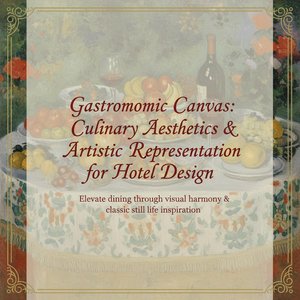
Gastronomic Canvas: Culinary Aesthetics & Artistic Representation for Hotel Design
Explore the captivating intersection of culinary arts & artistic representation for hotel design. Discover techniques to elevate dining experiences through visual harmony, composition, and inspiration from classic still life painting.

