

Romanticism · 1817
Flatford Mill (John Constable, 1817)
Flatford Mill je delo avtorja John Constable (1776–1837). Zajema leto 1817. Spada v umetniško smer Romanticism. Izdelano je iz Oil On Canvas. Dimenzije so 50 × 60 cm.
- 1817
- Oil On Canvas
- 50 × 60 cm

 Predogled v realnem okolju

 Kopija tiska
 Pošlji
 Deli
 Informacijski list za tjači


 Prenesi sliko
 Podobni izdelki
 Rentgenski posnetek
 Predvajaj diaporama
 Vprašanja in odgovori

 Statistika
Flatford Mill: ključni podatki
- Naslov
- Flatford Mill
- Umetnik
- John Constable (1776–1837)
- Umetnik, rojen v
- East Bergholt, Združeno kraljestvo
- Datum
- 1817
- Tehniko
- Oil On Canvas
- Dimenzije
- 50 × 60 cm
- Gibanje
- Romanticism
- Obdobje
- 19th Century
- Tema
- landscape, rural england, mill scene, river stour, pastoralism, british art
Kaj prikazuje Flatford Mill?
Identification of Flatford Mill by John Constable
Flatford Mill is an 1817 landscape painting by the British artist John Constable. This work offers a view of the mill located in East Bergholt on the River Stour. It is also known by the subtitle Scene on a Navigable River. The scene captures a specific moment in the rural landscape of the Stour Valley, focusing on the quiet activity surrounding the water's edge.
The painting was first presented to the public when it was displayed at the Royal Academy's Summer Exhibition at Somerset House in 1817. At that time, it established the artist's interest in the specific topography of his home region. The composition centers on the mill and the river, providing a detailed look at the relationship between the water and the surrounding land.
The Composition and Visual Elements
The composition pulls you into a world of lush greens and reflective waters. At the heart of the scene, the calm, reflective waters of the river act as a mirror to the lush, verdant banks. This interplay of light and liquid creates a sense of depth that draws the eye toward the center of the work. A moored boat and distant figures provide a gentle human connection to the vastness of the Suffolk countryside, grounding the landscape in a quiet, lived-in reality.
Several individuals stand near the water's edge, their presence adding a subtle layer of activity to the peaceful scene. On the left side of the image, a horse is positioned near the bank, its form integrated into the pastoral setting. Two boats are visible in the water; one is situated towards the center, while another rests slightly to the right. These elements, combined with the rhythmic presence of the river, establish a sense of harmony within the rural environment.
Technique and Artistic Materials
In this oil on canvas, one can sense the methodical preparation that preceded the final application of paint. Before committing to the large-scale composition, the artist relied on a foundation of oil sketches, graphite drawings, and watercolour studies. This disciplined approach allowed for a careful arrangement of the landscape's complexities. The resulting work possesses a physical weight, achieved through the use of thick impasto to build up texture across the surface. This tactile quality gives the river and the earth a sense of movement and life.
There is a particular luminosity in the way the light interacts with the water and the sky. This effect is achieved through the painstaking layering of thin glazes of paint. Such a technique allows light to penetrate the surface, creating an illusion of shimmering luminescence that mimics the shifting atmosphere of the Stour Valley. It is a quiet, deliberate mastery of light and shadow.
Historical Ownership and Collections
The provenance of this work is deeply connected to the artist's own legacy. It was eventually included as part of the Constable Bequest in 1888, ensuring its place within the public consciousness. This transition from private hands to a permanent collection secured its survival for future generations to study.
Today, the painting is held within the collection of Tate Britain. It is also part of the holdings at the Tate Gallery in London. These institutions maintain the work as a significant part of their English landscape holdings. Additionally, the National Trust holds a connection to the work through its stewardship of the surrounding landscapes and properties.
Related Works by John Constable
To understand the evolution of this artist, one might look toward his earlier explorations of the Stour Valley. In 1815, he produced Boat-building near Flatford Mill, a work that captures the rhythmic sounds of craftsmanship against a quiet river setting. This piece reflects his deep connection to the local landscape and the dignity of rural labor. It is a quiet study of the textures found in the Suffolk countryside.
His later compositions often expanded in scale and ambition. He moved toward larger canvases, such as The Hay Wain from 1821, which remains one of his most recognized depictions of the river. Other significant works include The Cornfield (1826) and The Lock (1824), both of which continue his investigation into the interplay of light and water. He also turned his attention to more architectural subjects, such as Salisbury Cathedral from the Meadows in 1831.
- Boat-building near Flatford Mill (1815)
- The Hay Wain (1821)
- The Lock (1824)
- The Cornfield (1826)
- Salisbury Cathedral from the Meadows (1831)
Where to See This Masterpiece Today
If you wish to experience the subtle shifts of light and the texture of the River Stour in person, you will find this work held within the collections of the Tate Gallery in London. It is part of the permanent collection at Tate Britain, where the painting is kept for public viewing. The work remains a significant part of the Tate Britain collection, allowing visitors to observe the specific impasto and the atmospheric perspective that Constable achieved in 1817.
The painting is situated in London, United Kingdom. It is housed within the Tate Gallery, London, providing a quiet space to study the relationship between the water and the sky. Being part of the Tate Britain collection, it is accessible to those who appreciate the nuances of the Romantic tradition in a museum setting.
Flatford Mill: slikovne datoteke

Pripravljeno iz vaše datoteke z višjo ločljivostjo iz naše baze podatkov, ne pa iz spletne slike: najmanj 300 DPI. Barve so primerjane z originalom, datoteko pa je retuširal digitalni strokovnjak.
Kupite sliko visoke ločljivostiJohn Constable, Flatford Mill (1817).
John Constable (1776–1837), Flatford Mill, 1817, oil on canvas. Domen javne lastnine Slika: AllPaintingsStore.com.
Vprašanja o Flatford Mill
Kateri je datum nastanka dela "Flatford Mill" avtorja John Constable?
"Flatford Mill" avtorja John Constable je nastalo leta 1817.
Z kakšno tehniko je izdelano "Flatford Mill"?
Tehnika za delo "Flatford Mill" avtorja John Constable je Oil On Canvas. Različice imajo za namen natančno prikazati videz te tehnike.
Kakšne so dimenzije izvornega dela "Flatford Mill" avtorja John Constable?
Zabeležene dimenzije dela "Flatford Mill" avtorja John Constable so 50 x 60 cm. Reprodukcije je mogoče naročiti v drugih velikostih, ob čemer se ohranijo iste proporcije.
Katere teme se pojavljajo v delu "Flatford Mill" avtorja John Constable?
Motivi dela "Flatford Mill" so landscape, rural england, mill scene, river stour, pastoralism, british art, constables vision.
Ali je "Flatford Mill" v javni domeni?
Status avtorskih pravic za "Flatford Mill" avtorja John Constable: del je v javni domeni – avtorska pravica je zastarela. To določa, ali se lahko reprodukcije slike izdelujejo prosto.
Kdo je avtor dela "Flatford Mill"?
"Flatford Mill" pripisujemo John Constable.
Kateri umetniški slog pripada "Flatford Mill"?
"Flatford Mill" je del umetniškega sloga Romanticism, ki predstavlja umetniško tradicijo, v katero je delo vključeno.
V katero obdobje umetnostnega razvoja John Constable pripada delo "Flatford Mill"?
V okviru kariere umetnika John Constable delo "Flatford Mill" pripada obdobju Early Romanticism, kar omogoča primerjavo z ostalimi umetnikovimi deli.
Koliko je bil John Constable star ob ustvarjanju dela "Flatford Mill" leta 1817?
Ko je bilo delo "Flatford Mill" ustvarjeno leta 1817, je bil John Constable – rojen leta 1776 – star 41 let.
O umetniku John Constable
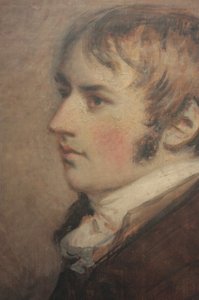
1776–1837, Združeno kraljestvo
John Constable
Mladost, družina in izobraževanje John Constable se je rodil leta 1776 v vasi East Bergholt v Suffolku. Bil je drugi sin Goldinga in Anne (Watts) Constable. Njegov oče je bil uspešen trgovac s koruzo in premogom, ki je upravljal Flatford Mill. Ta tesna povezanost z reko in lokalnim trgovskim poslovanjem je pomenila, da so ritmi vode in gibanje tovora postali integralni del vsakdanjega življenja v njegovem domu.
Vsa dela umetnika John Constable, z dimenzijami in cenami → Umetniška stran Slavna dela umetnika John Constable
Ostala dela avtorja John Constable
 Slika: Posušnica1821
 Pogled na katedrolo v Salisburyu z škofovih posestij1823
 Salisburyjeva katedrala
 Senov vóz (podrobnost)1821

Članki o Flatford Mill
 Mastering the English Landscape: The 25 Best Artworks by John ConstableBorn in 1776, Constable rejected the theatricality of the Royal Academy for plein air honesty. Why did this shift change landscape art fore…
 25 Must-See Masterpieces at Tate Gallery London: A Journey Through Art HistoryIn 1889, Arles became the setting for Van Gogh's Self Portrait with Bandaged Ear and Pipe, a work defined by thick, vibrating impasto.
 10 Iconic Masterpieces That Defined Romantic Landscape PaintingJohn Constable completed The Hay Wain in 1821 during the Industrial Revolution. How did this era of upheaval shape the Romantic movement?