

Oil On Canvas.

§ 1Catalogue data


To umetniško delo je zaščiteno z avtorskimi pravicami
Umetniška dela, prikazana na tej strani, so zaščitena z avtorskimi pravicami, kar pomeni, da po zakonu ne moremo ustvarjati ali prodajati identičnih reprodukcij. Ta zaščita se izvaja v skladu z mednarodnimi sporazumi, kot so Bernska konvencija in po nacionalnih zakonih, vključno s tistimi, ki jih določa Zakon o avtorskih pravicah ZDA – naslov 17.
Kot spoštljiva in zakonita alternativa ponujamo prilagojena, ročno slikana umetniška dela, navzornena na original. Naši sposobni in profesionalni umetniki skrbno preučijo stil, vzdušje in umetniško bistvo originala, da ustvarijo novo, edinstveno delo, ki vzbudi enak občutek – pri čemer ostaja popolnoma nova, samostojna izvirna stvar.
Ta način v celoti upošteva zakonodajo o avtorskih pravicah, saj ne vključuje kopiranja ali podvajanja zaščitenga umetniškega dela. Namesto tega gre za kreativno preinterpretacijo – novo sliko, ki je navdihnjen rezultat originala, vendar ni z njim identična.
 Preberi več
§ 2Abstract
Opis zbirateljskega predmeta
The painting embodies Rothko's signature style – monumental blocks of color layered upon each other to evoke profound emotional resonance. Its dominant hues of red and blue aim to capture the essence of human experience, inviting contemplation on themes of passion and sorrow.
Biografija umetnika
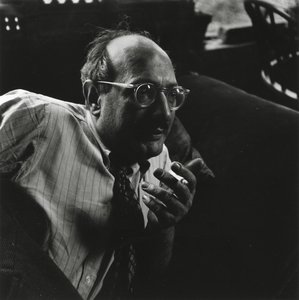
Mark Rothko (1903-1970) je bil ameriški slikar, znan po svojih barvnih poljih in prispevku k abstraktnem ekspresionizmu. Odkrijte čustveno globino njegovih del, kot so Seagram Murals in Rothko Chapel, ter njegovo pomembnost v moderni umetnosti.
§ 3Commentary
Mark Rothko: Exploring Grief Through Color
Mark Rothko’s paintings stand as monuments to profound sorrow—a testament to the artist's own personal struggles and an enduring reflection of the human condition. Born Markus Yakovlevich Rothkowitz in Dvinsk, Latvia, in 1903, he navigated a childhood steeped in displacement and loss, experiences that would irrevocably inform his artistic vision.
Early Life and Artistic Roots: Rothko’s formative years were marked by the anxieties of a Jewish family residing within the Pale of Settlement. Pogroms and political instability instilled a deep empathy for suffering—a sensitivity that would become central to his artistic exploration. The 1913 emigration to Portland, Oregon, represented not merely a geographical relocation but a cultural collision for the young Rothko, shaping him as he embraced new ideas and perspectives.
The Rise of Color Field Painting: Rothko emerged as a pivotal figure in the burgeoning Color Field movement of the 1940s and 50s. Rejecting traditional representational art, he championed an approach that prioritized pure color—vast expanses of pigment applied to canvas without discernible imagery. This stylistic choice wasn’t arbitrary; it was deliberately conceived as a vehicle for conveying emotion directly, bypassing intellectual mediation.
- Style: Color Field Painting – Characterized by large blocks or rectangles of color that dominate the composition.
- Technique: Thickly applied paint—often layered multiple times—creating a palpable textural surface.
- Materials: Canvas stretched taut over wooden frames; oil paints mixed with mediums to achieve desired consistency and luminosity.
Symbolism of Grief and Transcendence: Rothko’s canvases are imbued with potent symbolism. The muted hues—primarily reds, yellows, and blues—are not intended to depict specific objects or scenes but rather to evoke feelings of grief, vulnerability, and spiritual yearning. Critics have interpreted the overlapping rectangles as representing the merging of individual consciousnesses into a unified whole—a visual metaphor for confronting mortality and achieving transcendence.
Emotional Resonance: Viewing Rothko’s paintings is an experience akin to entering a meditative space. The sheer scale of the canvases compels contemplation, inviting viewers to immerse themselves in the artist's emotional landscape. Rather than offering answers or judgments, Rothko’s work prompts introspection—encouraging us to confront our own anxieties about existence and to appreciate the beauty inherent in confronting difficult truths.
Legacy: Rothko’s influence extends far beyond the Color Field movement, shaping generations of artists who followed him. His unwavering commitment to exploring profound emotional themes continues to inspire creativity and provoke dialogue—solidifying his place as one of the most significant figures in 20th-century art.
Vprašanja in odgovori
Kje in za kakšen namen se priporoča "Untitled 21"?
"Untitled 21" avtorja Mark Rothko priporočamo za Accent, idealno v Living Room. Skupni prikaz namerne uporabe in prostora pomaga ugotoviti, kje se reprodukcija najbolje prilega.
Kako znano je delo "Untitled 21" avtorja Mark Rothko?
"Untitled 21" je razvrščeno kot Legendary.
V katero obdobje kariere Mark Rothko pripada delo "Untitled 21"?
V okviru kariere umetnika Mark Rothko delo "Untitled 21" pripada obdobju Mature Period, kar omogoča primerjavo z ostalimi umetnikovimi deli.


 Preklop na tiskanine


 Za umetniška dela ali reprodukcije, ki so po katerikoli strani širše od 105 cm (približno 41 palč), bo okvir poslan v razstavljeni obliki kot komplet. Ta metoda zagotavlja varno dostavo in preprečuje poškodbe med transportom.


