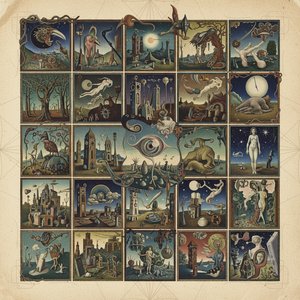
1940. Acrylic On Canvas, 36.0 x 28.0 cm.

§ 1Catalogue data
 Acrylic On Canvas
- WallArt
- Surrealism
 1940
1940- Modern
 36.0 x 28.0 cm
To umetniško delo je zaščiteno z avtorskimi pravicami
Umetniška dela, prikazana na tej strani, so zaščitena z avtorskimi pravicami, kar pomeni, da po zakonu ne moremo ustvarjati ali prodajati identičnih reprodukcij. Ta zaščita se izvaja v skladu z mednarodnimi sporazumi, kot so Bernska konvencija in po nacionalnih zakonih, vključno s tistimi, ki jih določa Zakon o avtorskih pravicah ZDA – naslov 17.
Kot spoštljiva in zakonita alternativa ponujamo prilagojena, ročno slikana umetniška dela, navzornena na original. Naši sposobni in profesionalni umetniki skrbno preučijo stil, vzdušje in umetniško bistvo originala, da ustvarijo novo, edinstveno delo, ki vzbudi enak občutek – pri čemer ostaja popolnoma nova, samostojna izvirna stvar.
Ta način v celoti upošteva zakonodajo o avtorskih pravicah, saj ne vključuje kopiranja ali podvajanja zaščitenga umetniškega dela. Namesto tega gre za kreativno preinterpretacijo – novo sliko, ki je navdihnjen rezultat originala, vendar ni z njim identična.
 Preberi več
§ 2Abstract
Opis zbirateljskega predmeta
Biografija umetnika
Raziščite svet Maxa Ernsta (1891-1976), pionirja dadaizma in surrealizma! Odkrijte njegove inovativne tehnike frottage, kolaže ter sanjave slike s ptiči, krajinami in psihološkimi temami. Ključna figura umetnosti 20. stoletja!
§ 3Commentary
A Dance Between Chance and Vision: Exploring Max Ernst’s “Abstract Composition”
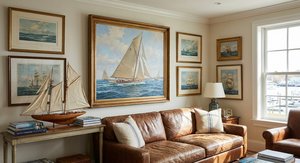
Max Ernst's "Abstract Composition," painted in 1940, stands as a testament to the radical experimentation that defined his artistic career—a cornerstone of Dada and Surrealism. Born Maximilian Maria Ernst on April 1st, 1891, in Brühl, Germany, he defied conventional academic paths, forging instead a singular path fueled by philosophical contemplation and an unwavering fascination with the subconscious mind. His father’s role as a teacher of the deaf instilled within him not only sensitivity to auditory perception but also a rebellious spirit against societal constraints—a duality that would permeate his artistic endeavors. Ernst's intellectual grounding extended far beyond mere visual aesthetics; he pursued degrees in philosophy, art history, literature, psychology, and psychiatry at Bonn University. This multifaceted approach wasn’t simply about mastering artistic skills; it was about interrogating the very nature of creativity itself—asking “Why?” He sought to understand the psychological forces shaping artistic expression, mirroring his broader philosophical inquiries into existentialism and the human condition. The painting's visual language is strikingly simple yet profoundly complex. Two sailboats glide across a serene expanse of blue water, their trajectories subtly converging – an image imbued with quiet contemplation and hinting at interconnectedness. Scattered throughout the canvas are birds—symbols often associated with freedom, aspiration, and spiritual transcendence—adding a layer of dynamism to the tranquil scene. However, it’s Ernst's groundbreaking technique that truly elevates “Abstract Composition.” He employed grattage, a method pioneered by Ernst himself, wherein he meticulously covered the canvas with pigment and subsequently scraped away portions using a palette knife. This process revealed underlying impressions created by objects positioned beneath the initial layer of paint—a deliberate embrace of chance and spontaneity championed by Dada and Surrealist artists. Further manipulation involved utilizing a painter’s comb to disrupt earlier paint strata, exposing hidden textures and patterns. Finally, Ernst stamped new motifs onto the dried surface, continuing his exploration of layering and transformation. This meticulous process underscores Ernst's commitment to disrupting traditional artistic conventions and delving into the realm of unconscious imagery. The clock in the upper left corner serves as a subtle focal point—perhaps representing time’s relentless march or symbolizing the artist’s deliberate control over the creative process. “Abstract Composition” embodies the spirit of Surrealism, prioritizing dreamlike imagery and irrational juxtapositions to provoke thought and challenge perceptions. It's more than just a depiction of sailboats; it’s an invitation to consider themes of movement, harmony, and hidden depths—a captivating piece for collectors seeking artwork that transcends literal representation. Consider commissioning a high-quality reproduction to bring Ernst’s visionary aesthetic into your home or studio.- Artist: Max Ernst
- Year Painted: 1940
- Medium: Acrylic on Canvas
- Dimensions: 36 x 28 cm
Vprašanja in odgovori
Ali je na voljo prenos v visoki ločljivosti za "Abstract Composition"?
Digitalno različico dela "Abstract Composition" avtorja Max Ernst lahko naročite s klikom na prenos digitalne slike visoke ločljivosti na njegovi strani Visokoresolucijska digitalna slika.
Kaj prikazuje "Abstract Composition" avtorja Max Ernst?
Tematika v delu "Abstract Composition" avtorja Max Ernst vključuje sailboats, birds, clock, texture, chance, abstraction, palette knife, ki skupaj predstavljajo vsebino umetninškega dela.
Kdo prodaja ročno slikane kopije dela "Abstract Composition" avtorja Max Ernst?
Ročno slikane kopije dela "Abstract Composition" avtorja Max Ernst so na voljo na spletnem mestu ta spletna stran: ročno slikana oljna reprodukcija na lnenem platnu, kjer jih lahko naročite preko strani Ročno slikana reprodukcija.



 Preklop na tiskanine


 Za umetniška dela ali reprodukcije, ki so po katerikoli strani širše od 105 cm (približno 41 palč), bo okvir poslan v razstavljeni obliki kot komplet. Ta metoda zagotavlja varno dostavo in preprečuje poškodbe med transportom.