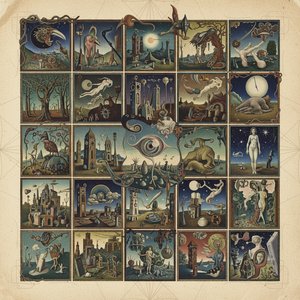
1927. Oil On Canvas.

§ 1Katalogovni podatki


To umetniško delo je zaščiteno z avtorskimi pravicami
Umetniška dela, prikazana na tej strani, so zaščitena z avtorskimi pravicami, kar pomeni, da po zakonu ne moremo ustvarjati ali prodajati identičnih reprodukcij. Ta zaščita se izvaja v skladu z mednarodnimi sporazumi, kot so Bernska konvencija in po nacionalnih zakonih, vključno s tistimi, ki jih določa Zakon o avtorskih pravicah ZDA – naslov 17.
Kot spoštljiva in zakonita alternativa ponujamo prilagojena, ročno slikana umetniška dela, navzornena na original. Naši sposobni in profesionalni umetniki skrbno preučijo stil, vzdušje in umetniško bistvo originala, da ustvarijo novo, edinstveno delo, ki vzbudi enak občutek – pri čemer ostaja popolnoma nova, samostojna izvirna stvar.
Ta način v celoti upošteva zakonodajo o avtorskih pravicah, saj ne vključuje kopiranja ali podvajanja zaščitenga umetniškega dela. Namesto tega gre za kreativno preinterpretacijo – novo sliko, ki je navdihnjen rezultat originala, vendar ni z njim identična.
 Preberi več
§ 2Abstraktno
Opis zbirateljskega predmeta
Explore Max Ernst’s "Forest & Dove" (1927) – a surrealist masterpiece! Discover its dense composition, symbolic elements & unique grattage technique. A captivating work of art.
Biografija umetnika
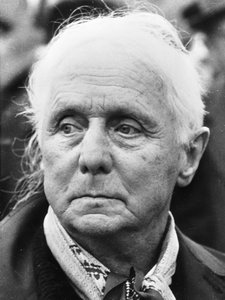
Raziščite svet Maxa Ernsta (1891-1976), pionirja dadaizma in surrealizma! Odkrijte njegove inovativne tehnike frottage, kolaže ter sanjave slike s ptiči, krajinami in psihološkimi temami. Ključna figura umetnosti 20. stoletja!
§ 3Komentacija
A Dreamscape of Disquiet: Exploring Max Ernst’s *Forest and Dove*
Max Ernst's 1927 painting, *Forest and Dove*, is a quintessential example of Surrealism – a movement dedicated to unlocking the creative potential of the unconscious mind. This evocative oil on canvas transports viewers into a world that feels both familiar and profoundly unsettling, embodying the anxieties and psychological explorations central to the interwar period.Composition and Visual Language
The painting presents a dense, vertical composition dominated by dark, earthy tones – browns, ochres, and hints of red. Towering, skeletal trees define a claustrophobic forest scene, their branches reaching like grasping claws against an ambiguous sky. A small, almost childlike depiction of a dove perches within this forbidding landscape, while a solitary figure stands nearby, seemingly observing the scene with quiet contemplation. Ernst masterfully employs jagged lines and fragmented shapes to create a sense of unease and movement, disrupting any expectation of traditional pictorial harmony. The texture is remarkably rich, achieved through thick impasto application – lending a tactile quality that draws the viewer into the painting’s surface.Technique and Innovation: Grattage
Ernst was a relentless innovator in artistic technique. *Forest and Dove* showcases his pioneering use of *grattage*, a method he co-developed with Joan Miró. This involved scraping paint across the canvas to reveal the textures beneath, creating an almost three-dimensional effect and imbuing the surface with a unique visual energy. The resulting texture mimics bark, wood grain, and other natural forms, enhancing the painting’s dreamlike quality and blurring the lines between representation and abstraction.Symbolism and Interpretation
The symbolism within *Forest and Dove* is deliberately ambiguous, inviting multiple interpretations.- The Dead Tree: Often interpreted as a symbol of decay, transformation, or the passage of time, it anchors the composition and evokes a sense of melancholy.
- The Forest: Represents isolation, confinement, or the subconscious mind – a labyrinthine space where hidden fears and desires reside.
- The Dove: Traditionally a symbol of peace and hope, its presence within this somber landscape is particularly poignant. It may represent Ernst himself, seeking solace or freedom amidst inner turmoil.
- The Figure: Acts as the viewer’s surrogate, an observer caught between reality and the dreamlike world unfolding before them.
Historical Context and Artistic Influence
Created in 1927, *Forest and Dove* reflects the psychological anxieties prevalent in Europe following World War I. The trauma of war had shattered traditional beliefs and spurred artists to explore new ways of representing the human condition. Ernst’s work, deeply influenced by Dadaism and Surrealism, sought to challenge conventional notions of reality and tap into the power of the unconscious. His innovative techniques and evocative imagery profoundly impacted subsequent generations of artists, solidifying his place as a pivotal figure in 20th-century art.Emotional Resonance and Lasting Appeal
*Forest and Dove* is not merely a visual experience; it’s an *emotional* one. The painting evokes feelings of mystery, melancholy, and perhaps even foreboding. Its unsettling beauty lies in its ability to tap into our deepest fears and desires, prompting introspection and challenging us to confront the complexities of the human psyche. The work continues to resonate with audiences today, offering a timeless exploration of the subconscious mind and the enduring power of artistic imagination. It’s a piece that invites contemplation and rewards repeated viewing, making it a compelling addition to any art collection or interior space.Vprašanja in odgovori
Kje se "Forest and Dove" avtorja Max Ernst uvršča v zgodovino umetnosti?
"Forest and Dove" avtorja Max Ernst pripada gibanju Surrealism v obdobju Modern. Skupaj delu omogočata njegovo mesto v zgodovini umetnosti.
Od kod prihajajo obiskovalci dela "Forest and Dove" avtorja Max Ernst?
Za delo "Forest and Dove" je na voljo stran Statistika pregledov. Ta prikazuje mesečno število obiskov tega dela in drugih del umetnika, s razdelitvijo po državah in jezikih.
Kdo je avtor dela "Forest and Dove"?
Avtor dela "Forest and Dove" je Max Ernst. Del je katalogiran pod imenom Max Ernst.


 Preklop na tiskanine


 Za umetniška dela ali reprodukcije, ki so po katerikoli strani širše od 105 cm (približno 41 palč), bo okvir poslan v razstavljeni obliki kot komplet. Ta metoda zagotavlja varno dostavo in preprečuje poškodbe med transportom.