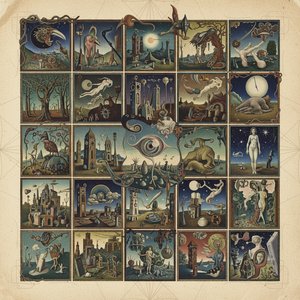
Oil On Panel.

§ 1Katalogovni podatki

To umetniško delo je zaščiteno z avtorskimi pravicami
Umetniška dela, prikazana na tej strani, so zaščitena z avtorskimi pravicami, kar pomeni, da po zakonu ne moremo ustvarjati ali prodajati identičnih reprodukcij. Ta zaščita se izvaja v skladu z mednarodnimi sporazumi, kot so Bernska konvencija in po nacionalnih zakonih, vključno s tistimi, ki jih določa Zakon o avtorskih pravicah ZDA – naslov 17.
Kot spoštljiva in zakonita alternativa ponujamo prilagojena, ročno slikana umetniška dela, navzornena na original. Naši sposobni in profesionalni umetniki skrbno preučijo stil, vzdušje in umetniško bistvo originala, da ustvarijo novo, edinstveno delo, ki vzbudi enak občutek – pri čemer ostaja popolnoma nova, samostojna izvirna stvar.
Ta način v celoti upošteva zakonodajo o avtorskih pravicah, saj ne vključuje kopiranja ali podvajanja zaščitenga umetniškega dela. Namesto tega gre za kreativno preinterpretacijo – novo sliko, ki je navdihnjen rezultat originala, vendar ni z njim identična.
 Preberi več
§ 2Abstraktno
Opis zbirateljskega predmeta
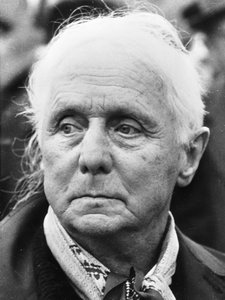
Biografija umetnika
Raziščite svet Maxa Ernsta (1891-1976), pionirja dadaizma in surrealizma! Odkrijte njegove inovativne tehnike frottage, kolaže ter sanjave slike s ptiči, krajinami in psihološkimi temami. Ključna figura umetnosti 20. stoletja!
§ 3Komentacija
Le Mont Chauve: A Surreal Echo of Instinct and Observation
Max Ernst’s “Le Mont Chauve,” painted in 1955, stands as a quintessential example of Surrealist exploration—a visual poem grappling with the subconscious mind and challenging conventional perceptions of reality. More than just an image, it's a carefully constructed invitation into a realm where logic yields to dreamlike association, mirroring Ernst’s lifelong fascination with psychoanalysis and his desire to liberate art from rational constraints.
- Composition & Technique: The painting utilizes a strikingly simple yet profoundly impactful format—a circular field dominated by black hues punctuated by an incandescent red eye. Ernst achieved this ethereal effect through layering oil paints, employing a technique known as “frottage,” where he rubbed textured surfaces onto canvas to transfer their patterns and impressions into the artwork. This method reflects Ernst’s belief that artistic inspiration could be found in unexpected sources—the accidental marks of nature itself.
- Symbolism & Subject Matter: The central eye serves as a potent symbol, representing vigilance, awareness, and perhaps even an unsettling gaze directed inward. It's positioned atop a stylized mountain – “Le Mont Chauve” – which evokes images of solitude, contemplation, and the primal forces of nature. Ernst’s deliberate ambiguity invites viewers to project their own anxieties and desires onto this enigmatic landscape.
- Color Palette & Line Work: Despite its darkness, "Le Mont Chauve" incorporates subtle shades of blue within textured areas, hinting at hidden depths and suggesting a connection to the unconscious. Thin, radiating lines emanate from the eye, creating a dynamic visual rhythm that contrasts sharply with the stillness implied by the mountain form. These fractured lines underscore the Surrealist preoccupation with fragmentation and disruption—a rejection of linear perspective in favor of conveying emotional intensity.
- Historical Context: Ernst’s work emerged during the height of Surrealism's influence, a movement born from Dada nihilism and fueled by Freudian psychoanalysis. Artists like Ernst sought to bypass conscious thought and tap into primal instincts—a reaction against the horrors of World War I and a yearning for liberation from societal norms. “Le Mont Chauve” embodies this spirit of rebellion and experimentation.
- Emotional Impact: Viewing "Le Mont Chauve" evokes feelings of unease, mystery, and contemplation. The stark contrast between darkness and light—the eye’s luminous brilliance against the mountain's muted tones—creates a palpable tension that compels viewers to confront their own inner landscapes. It’s a piece designed not merely to depict but to provoke – an enduring testament to Ernst’s artistic vision.
Vprašanja in odgovori
Priporočena velikost in orientacija za tiskanje dela "Le mont chauve" – kakšna velikost, kakšna orientacija?
Za "Le mont chauve" priporočamo tiskanje v velikosti Large in z orientacijo Landscape.
Zakaj je status avtorske pravice za "Le mont chauve" prav takšen, kot je?
Del "Le mont chauve" avtorja Max Ernst je še vedno pod avtorsko zaščito. Avtorske pravice se izračunajo od smrti umetnika, pri čemer je Max Ernst umrl leta 1976.
Koliko je izražen kontrast v delu "Le mont chauve" avtorja Max Ernst?
Stopnja kontrasta dela "Le mont chauve" avtorja Max Ernst je Serene.


 Preklop na tiskanine


 Za umetniška dela ali reprodukcije, ki so po katerikoli strani širše od 105 cm (približno 41 palč), bo okvir poslan v razstavljeni obliki kot komplet. Ta metoda zagotavlja varno dostavo in preprečuje poškodbe med transportom.