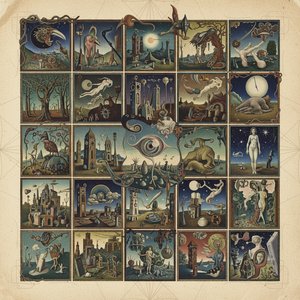
1923. Oil On Canvas, 100.0 x 81.0 cm.

§ 1Catalogue data
 Oil On Canvas
- WallArt
- Surrealism
 1923
1923- Modern
 100.0 x 81.0 cm
To umetniško delo je zaščiteno z avtorskimi pravicami
Umetniška dela, prikazana na tej strani, so zaščitena z avtorskimi pravicami, kar pomeni, da po zakonu ne moremo ustvarjati ali prodajati identičnih reprodukcij. Ta zaščita se izvaja v skladu z mednarodnimi sporazumi, kot so Bernska konvencija in po nacionalnih zakonih, vključno s tistimi, ki jih določa Zakon o avtorskih pravicah ZDA – naslov 17.
Kot spoštljiva in zakonita alternativa ponujamo prilagojena, ročno slikana umetniška dela, navzornena na original. Naši sposobni in profesionalni umetniki skrbno preučijo stil, vzdušje in umetniško bistvo originala, da ustvarijo novo, edinstveno delo, ki vzbudi enak občutek – pri čemer ostaja popolnoma nova, samostojna izvirna stvar.
Ta način v celoti upošteva zakonodajo o avtorskih pravicah, saj ne vključuje kopiranja ali podvajanja zaščitenga umetniškega dela. Namesto tega gre za kreativno preinterpretacijo – novo sliko, ki je navdihnjen rezultat originala, vendar ni z njim identična.
 Preberi več
§ 2Abstract
Opis zbirateljskega predmeta
Ubu Imperator by Max Ernst – A surrealist painting depicting a man holding a colossal red vase or cannon amidst a detailed tableau featuring a bird, clock, and chair.
Biografija umetnika
Raziščite svet Maxa Ernsta (1891-1976), pionirja dadaizma in surrealizma! Odkrijte njegove inovativne tehnike frottage, kolaže ter sanjave slike s ptiči, krajinami in psihološkimi temami. Ključna figura umetnosti 20. stoletja!
§ 3Commentary
A Visionary Encounter in the Realm of the Unconscious
The canvas holds an arresting stillness, yet pulsates with a hidden, restless energy—a testament to the visionary approach of Max Ernst and his seminal work, “Ubu Imperator.” Painted in 1923 during the height of Dadaism and the burgeoning fervor of Surrealism, this monumental piece transcends mere representation; it is a deliberate provocation designed to unsettle the viewer and confront them with unsettling juxtapositions. Within this composition, we encounter a scene that feels plucked from a fever dream, where the boundaries between reality and the subconscious dissolve into a tapestry of strange, evocative forms.
At its heart, the painting presents a figure—presumably representing Ubu Imperator, the tyrannical ruler from Alfred Jarry’s absurdist drama—seated upon a throne constructed of interwoven branches. A disconcerting bird perches precariously atop this structure, serving as a poignant symbol of fragility and vulnerability juxtapared against the imposing, heavy grandeur of power. This tension highlights the inherent contradictions within human ambition and the precarious nature of authority. As the eye wanders through the detailed landscape, one might notice a clock dominating the composition, adding a layer of temporal anxiety to an otherwise timeless, dreamlike space.
The Alchemy of Texture and Technique
Ernst’s method was nothing short of revolutionary, abandoning traditional academic conventions in favor of an experimental process known as frottage. Deeply influenced by his fascination with psychoanalysis and Carl Jung's theories on the unconscious, Ernst meticulously rubbed pencil over textured surfaces—wood grain, fabric, even dried leaves—capturing their organic impressions onto the canvas beneath. This layering of textures is far from accidental; it serves as a conduit for accessing hidden realms of the imagination, mirroring the way the subconscious mind generates unexpected patterns and forms.
The resulting surface is riddled with subtle variations in tone and texture, creating an illusionistic depth that defies conventional perspective. For the collector or interior designer, this technique offers a tactile richness that brings a sense of movement and organic life to any space. The painting does not merely sit upon the wall; it breathes through its complex, scraped, and rubbed surfaces, inviting the viewer to lean closer and discover the secrets hidden within its many layers.
A Legacy of Rebellion and Surrealist Splendor
To possess a reproduction of “Ubu Imperator” is to hold a piece of art history that captures the very moment when the modern psyche began to explore its own shadows. Max Ernst, a primary pioneer of both Dada and Surrealism, used his work to grapple with the "why" of existence rather than just the "how." His refusal to adhere to formal training allowed him to invent entirely new visual languages, making his works timelessly relevant to contemporary tastes that value authenticity and psychological depth.
For those seeking to infuse a room with intellectual intrigue and emotional resonance, this piece offers an unparalleled opportunity. Whether placed in a sophisticated gallery-style living room or a curated study, the painting acts as a conversation starter—a window into a world where the bizarre becomes beautiful and the mechanical meets the organic. It is more than a decoration; it is an invitation to wonder, a fragment of a revolution that continues to captivate the modern soul.
Vprašanja in odgovori
Na kakšen način je bila izdelana dela "Ubu Imperator" in katere so njene dimenzije?
Tehnika dela "Ubu Imperator" avtorja Max Ernst je Oil On Canvas, njegove navedene dimenzije pa so 100 x 81 cm.
Ali je "Ubu Imperator" avtorja Max Ernst svetlo ali temno umetniško delo?
"Ubu Imperator" ima v celoti bright, njegova luminanca pa znaša Gentle Luminance.
Kakšen je splošni čut dela "Ubu Imperator" avtorja Max Ernst?
"Ubu Imperator" ima Dramatic vzdušje.



 Preklop na tiskanine


 Za umetniška dela ali reprodukcije, ki so po katerikoli strani širše od 105 cm (približno 41 palč), bo okvir poslan v razstavljeni obliki kot komplet. Ta metoda zagotavlja varno dostavo in preprečuje poškodbe med transportom.