


 Predogled v realnem okolju
 Pošlji
 Deli
Deli
 Podrobnosti o delu
 Priročnik

 Prenesi sliko
 Podobni izdelki
 Rentgenski posnetek
 Predvajaj diaporama
 Statistika
St Peter Reading


 Preberi več
Ročno izdelana oljna reprodukcija
Ročno slikano olje na platnu v vaši izbiri velikosti in okvirja, izdelano po naročilu naših umetnikov. ( Preklop na tiskanine Preklop na digitalno sliko)




P118B €10

P118H €10

P118W €10

P438Z €10

P508JH €12

P508YH €12

P805H €10

P805Z €10

P919BZ €10

P919G €10

P919XJ €10

P959ZH €10

P968JZ €12

W106C €8

W218G €10

W218JH €8

W218Y €10

W307PJ €10

W316G €10

W316PJ €8

W316Y €10

W398PJ €8

W4111J €10

W500HY €15

W500JH €15

W692G €12

W849H €8

W940BG €15

W953PJ €8




Izberite eno od naših vnaprej določenih velikosti, ki ustrezajo prvotnim proporcijam umetničkega dela.

Vnesite širino in višino, ki jih potrebujete, da se slika prilega vašemu okviru ali steni. Ker je delo ročno slikano, lahko umetnik pri različnih oblikih slik pri robovih doda malo več barve ali pa jih malo odreže — izberite sami. Pred začetkom slikanja vam pošljemo digitalni predogled za potrditev. Slika, prikazana na tej strani, ni končni rezultat — le predogled prikazuje dejansko podobo.
Po oddaji naročila bo ekipa AllPaintingsStore.com stranki po e-pošti poslala navodila in predogled digitalnega predogleda.
Mednarodna dostava () v 3/4 tednih namesto običajnih 5 tednov. (28 oktober). Brez kompromisov pri kakovosti.

Brezplačna ekspresna dostava po vsem svetu

Visokokakovostno laneno platno

Popolno zavarovanje pošiljke

Garancija povračila carine in uvoznih davkov

Garancija popolnega barvnega ujemanja

100-dnevna politika vračil (le v primeru okvar)

Garancija 100% povračila denarja

Popust pri večjem naročilu
 Možnost stekla je na voljo le za velikosti pod 110 cm

St Peter Reading
Tehnik reprodukcije
Velikost reprodukcije
-


Skupna cena
€ 227
The Enigmatic Figure of St. Peter
Giovanni Serodine’s “St. Peter Reading” is not merely a portrait; it's an arresting tableau of contemplation, faith, and the quiet drama of mortality. Painted in 1628 during the height of the artist’s career, this work immediately draws the viewer into a profoundly intimate scene. The subject, an elderly man with a deeply furrowed brow and a long, flowing beard, is utterly absorbed in his book – not a grand theological text, but a humble volume, suggesting a personal study rather than public discourse. His posture, slightly stooped as if weighed down by years of reflection, speaks volumes about the burdens of wisdom and the passage of time. The lighting, masterfully rendered with Serodine’s signature tenebrism, is crucial to the painting's impact. A single, dramatic light source illuminates Peter’s face and hands, casting deep shadows that envelop the surrounding space, creating a sense of mystery and drawing our attention solely to the figure at the heart of the composition.
Serodine’s choice of setting is equally significant. The room itself is sparsely furnished – a simple wooden table bearing several books and, most strikingly, a human skull. This deliberate inclusion immediately introduces an element of stark realism and serves as a potent reminder of the transience of life and the inevitability of death. It's not a morbid display, however; rather, it’s a carefully orchestrated juxtaposition that elevates the scene beyond mere portraiture. The skull, positioned near the center of the painting, acts as a visual anchor, grounding Peter’s intellectual pursuits within the larger context of human existence.
Caravaggist Influence and Artistic Technique
“St. Peter Reading” is firmly rooted in the artistic currents of the early 17th century, particularly the influence of Caravaggio and his followers – a movement known as Carravaggism. Serodine expertly employs this style’s hallmarks: dramatic contrasts of light and shadow (chiaroscuro), loose brushstrokes that convey a sense of immediacy and energy, and a focus on realistic detail, especially in the depiction of hands and faces. Notice how the artist meticulously renders the texture of Peter's robe, the wrinkles etched into his skin, and the delicate veins visible beneath his fingertips. These details are not merely decorative; they contribute to the painting’s overall sense of realism and immediacy.
Serodine’s technique is characterized by a remarkable ability to capture psychological depth. Peter's expression – a mixture of concentration, melancholy, and perhaps even a hint of resignation – is remarkably nuanced. The artist doesn’t simply depict a man reading; he conveys the *experience* of reading, the absorption and introspection that it inspires. The brushwork itself seems restless, mirroring the intensity of Peter’s thoughts. It's a testament to Serodine’s skill that he manages to imbue this seemingly simple scene with such profound emotional resonance.
Historical Context and Symbolic Weight
Painted in 1628, “St. Peter Reading” reflects the intellectual and spiritual climate of the time – a period marked by both religious fervor and burgeoning scientific inquiry. St. Peter, as one of Jesus’s closest disciples and the first Pope, held immense symbolic significance within Christian iconography. His act of reading, in this context, can be interpreted as an embodiment of faith, knowledge, and divine guidance. The inclusion of the skull serves as a constant reminder of mortality and the importance of preparing for judgment – a common theme in religious art of the era.
Further research reveals that Serodine was working within a vibrant artistic community in Rome, surrounded by other talented painters and scholars. His work is often compared to that of Giovanni Baglione, another prominent figure in the Roman Baroque scene, both sharing a fascination with Caravaggism and a commitment to capturing psychological realism. The painting’s provenance – currently held at the Rancate collection in Italy – adds to its historical significance, offering a glimpse into the tastes and preferences of wealthy patrons during the 17th century.
A Timeless Masterpiece: Reproduction and Interpretation
“St. Peter Reading” remains a powerfully evocative work of art, capable of captivating viewers centuries after its creation. Its themes – faith, knowledge, mortality, and the human condition – are as relevant today as they were in 1628. Reproductions of this painting offer an opportunity to bring this masterpiece into your home or office, allowing you to contemplate its profound beauty and symbolism on a daily basis. Consider how the dramatic lighting and the stark contrast between light and shadow can transform any space, adding depth and intrigue. This image is not just a depiction of a man reading; it’s an invitation to reflect on our own lives, our beliefs, and our place in the universe.
Vprašanja in odgovori
Kako lahko ogledam "St Peter Reading" avtorja Serodine Giovanni v obliki diorama?
Na voljo je diaporama: stran Slidešov za delo "St Peter Reading" avtorja Serodine Giovanni.
V katerem muzeju se nahaja original dela "St Peter Reading"?
Del "St Peter Reading" avtorja Serodine Giovanni je razstavljen v muzeju Alte Pinakothek, München, Germany. Navedba muzeja se nanaša na originalno delo, ne pa na reprodukcije.
Kakšen občutek si povezujete z delom "St Peter Reading"?
"St Peter Reading" je povezano z Melancholic občutkom. Čustveni ton opisuje vtis, ki ga delo pusti.
Sorodna umetniška dela


Biografija umetnika
Giovanni Serodine: Life and Legacy
Early Life and Artistic Development
Giovanni Serodine, a Swiss-Italian painter, was born in 1600 in Ascona, Canton Ticino, Switzerland. His family were known for their skill in stucco work, an art form that inadvertently laid the groundwork for his future artistic endeavors. This early exposure to decorative arts likely fostered Serodine’s keen eye for detail and composition.
Serodine's artistic journey truly began in Rome, where he developed a unique expression of Carravaggist style. He embraced the dramatic use of light and shadow – known as tenebrism – and loose brushstrokes that characterized this influential movement.
Artistic Style and Influences
Serodine’s work was profoundly influenced by the Northern Caravaggisti, particularly artists such as Lys, Strozzi, and Fetti, who were actively working in Venice. These masters inspired his dramatic compositions and intense emotionality.
- Caravaggismo: Serodine adopted the strong contrasts of light and dark, realistic depictions of figures, and focus on everyday life characteristic of Caravaggio’s followers.
- Tenebrism: The use of dramatic illumination to create a sense of drama and highlight key elements within his paintings is central to his style.
However, despite these influences, Serodine's canvases often exhibited a provincial eccentricity, as seen in his *Coronation of the Virgin* in Ascona. This unique quality sets him apart from more strictly orthodox Caravaggisti.
Notable Works and Achievements
Although his career was tragically short, Serodine produced a number of significant works that demonstrate his talent and artistic vision:
- Jesus Among the Masters (Louvre): A compelling depiction showcasing Serodine’s mastery of composition and dramatic lighting.
- Jesu and the Tribute Money (National Gallery of Scotland): Demonstrates his skill in narrative painting and attention to detail.
- Saint Lawrence distributing alms (Convent of Valvisciolo in Sermoneta): A powerful portrayal of compassion and religious devotion.
- Decapitation of Saint John the Baptist (San Lorenzo fuori le mura): Exhibits his ability to convey intense emotion through dramatic imagery.
- Saint Michael (originally San Pietro in Montorio): A dynamic and forceful representation of the archangel.
- Portrait of his father (Lugano): Offers a glimpse into Serodine’s personal life and skill in portraiture.
Historical Significance and Legacy
Despite struggling to secure consistent patronage and recognition during his lifetime, Giovanni Serodine left behind a body of work that is increasingly appreciated for its unique blend of Caravaggist principles and regional characteristics. His art provides valuable insight into the artistic landscape of 17th-century Switzerland and Italy.
Serodine’s paintings are marked by great vivacity and emotional depth, making him a significant figure in the broader context of Baroque art. While not as widely celebrated as some of his contemporaries, his contributions continue to be studied and admired by art historians and enthusiasts alike.

Serodine Giovanni
1594 - 1630 , Switzerland
Hitri podatki
- Name: Giovanni Serodine
- Movement: Caravaggismo, Baroque
- Birth Date: 1600
- Death Date: 1630
- Birth Place: Ascona, Switzerland
- Nationality: Swiss-Italian
- Date Of Birth: 1594
- Date Of Death: 1630
- Influenced By:
- Lys
- Strozzi
- Fetti
- Notable Works:
- Jesus Among the Masters
- Jesu and the tribute money
- Saint Lawrence distributing alms
- Decapitation of Saint John the Baptist
- Transfiguration of Christ
- Portrait of his father
- Place Of Birth: Ascona, Switzerland
Sorodni članki

Divine Legacy: Exploring the Most Powerful Masterpieces of Saint Peter through Art History
Embark on a sophisticated journey through art history with our exploration of Saint Peter's most powerful masterpieces. Discover the profound emotional depth and technical brilliance of Renaissance and Baroque icons, curated for the discerning classic art enthusiast.
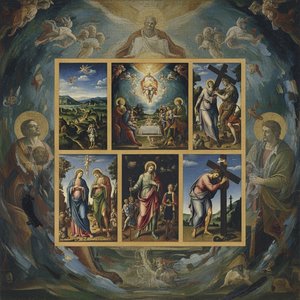
El Greco: 25 Mojstrovin za Navdih v Vašem Domu | AllPaintingsStore
Odkrijte 25 mojstrovin El Greca! Preučite zgodbe, tehnike in navdih za njegove najbolj znane slike. Renesansa, manierizem & verske teme – vse na AllPaintingsStore.com. Kupite reprodukcije visoke kakovosti in obogatite svoj dom z umetnostjo.

Baročne mojstrovine: 10 umetnin, ki so definirale obdobje | AllPaintingsStore
Odkrijte 10 baročnih mojstrovine, ki so zaznamovale umetnost! Karavaggio, Bernini & Rubensovi deli v zgodovinskem kontekstu. Navdih za notranjost in reprodukcije slik na AllPaintingsStore.com. Raziskujte polno zbirko online!

Baročna Drama: Uvedba Velikosti in Čustvenosti v Sodobne Interierje
Odkrijte veličino baročne umetnosti! Nasveti za integracijo dramatičnosti in čustvenosti v vaš dom. Kvalitetne reprodukcije, naročila po meri pri AllPaintingsStore.com – strokovno posvetovanje in vrhunska kakovost.

The Dramatic Flourish: Exploring the Baroque Movement's Enduring Legacy in Art History
Explore the dramatic world of Baroque art! Discover iconic artists like Caravaggio & Rubens, defining techniques, and its lasting impact on art history. Expert insights for collectors & enthusiasts at AllPaintingsStore.

