


 Preverite v realnem okolju
 Pošlji kot čestitko
 Deli
Deli
 Podrobnosti
 Guide
Guide

 Prenesi
 Podobni artefakti
 Rentgenski posnetek
 Predvajaj diaporama
 Statistika
Actors from the right, Bando Jutaro I, Arashi Horoku IV, Iwai Hanshiro V and Matsumoto Koshiro V
 Woodblock Print
- Ukiyo-e
 1821
1821- 19th Century
 38.0 x 104.0 cm
 Bujalance Collection
 Preberi več
Ročno izdelana oljna reprodukcija
Ročno slikano olje na platnu v vaši izbiri velikosti in okvirja, izdelano po naročilu naših umetnikov. ( Preklop na tiskanine Preklop na digitalno sliko)




P118B $10

P118H $10

P118W $10

P438Z $10

P508JH $12

P508YH $12

P805H $10

P805Z $10

P919BZ $10

P919G $10

P919XJ $10

P959ZH $10

P968JZ $12

W106C $8

W218G $10

W218JH $8

W218Y $10

W307PJ $10

W316G $10

W316PJ $8

W316Y $10

W398PJ $8

W4111J $10

W500HY $15

W500JH $15

W692G $12

W849H $8

W940BG $15

W953PJ $8




Izberite eno od naših vnaprej določenih velikosti, ki ustrezajo prvotnim proporcijam umetničkega dela.

Svoje dimenzije lahko vnesete tako, da se prilagodite določenemu okvirju ali prostoru. Če izbrana velikost ne ustreza razmerjem originalne slike, bomo umetniško delo obrezali ali sliko dopolnili z dodatnimi ročno naslikanimi elementi. Pred začetkom proizvodnje vam bo poslan digitalni osnutek v odobritev.
Upoštevajte, da predogled na zaslonu ne odraža dejanskega obrezovanja ali podaljšanja. Le osnutek bo natančno prikazal končno kompozicijo.
Čeprav so na voljo velikosti po meri, priporočamo izbiro dimenzije s preddefiniranega seznama, da ohranimo originalne razmere.
Po oddaji naročila bo ekipa AllPaintingsStore.com stranki po e-pošti poslala navodila in predogled digitalnega predogleda.
Mednarodna dostava () v 3/4 tednih namesto običajnih 5 tednov. (21 september). Brez kompromisov pri kakovosti.

Brezplačna ekspresna dostava po vsem svetu

Visokokakovostno laneno platno

Popolno zavarovanje pošiljke

Garancija povračila carine in uvoznih davkov

Garancija popolnega barvnega ujemanja

Politika vračila v 100 dneh (le v primeru okvar)

Garancija 100% povračila denarja

Popust pri večjem naročilu
 Možnost stekla je na voljo le za velikosti pod 110 cm

Actors from the right, Bando Jutaro I, Arashi Horoku IV, Iwai Hanshiro V and Matsumoto Koshiro V
Tehnika reprodukcije
Velikost reprodukcije
-


Skupna cena
$ 258
Sorodna umetniška dela




Biografija umetnika
Shunkōsai Hokushū: The Osaka Style’s Quiet Maestro
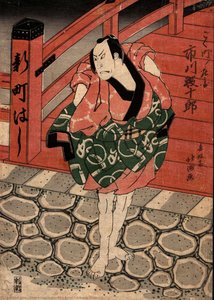
Shunkōsai Hokuchō (春曙斎 北頂), born around 1802 in Osaka, Japan, stands as a fascinating figure within the vibrant tapestry of Edo-period art history. Though overshadowed by contemporaries like Hokusai and Hiroshige—whose flamboyant landscapes captivated audiences—Hokuchō carved out a distinctive niche as a producer of *kabuki* actor prints, establishing what is now known as the Osaka style (*kamigata-e*) and leaving an indelible mark on Japanese visual culture. His legacy resides not in grand spectacle but in meticulous detail and a profound understanding of theatrical performance.- Early Life & Training: Hokuchō’s formative years were spent under the tutelage of Shunkōsai Hambei, a respected Osaka artist who instilled in him foundational skills in woodblock printing and design. While Hambei's influence is undeniable, scholarly debate persists regarding whether Hokuchō also studied with Hokusai himself—a connection that would have undoubtedly broadened his artistic horizons.
- The Osaka Style Emerges: Unlike the Edo-period’s dominant trend of producing prints in Tokyo, Hokuchō remained firmly rooted in Osaka. This geographical location fostered a unique aesthetic sensibility characterized by subdued palettes – predominantly yellows—and an unwavering focus on capturing the essence of *kabuki* actors onstage. The Osaka style prioritized conveying emotion and immediacy rather than striving for idealized representations.
- Collaborations & Patronage: Hokuchō’s artistic endeavors flourished thanks to fruitful collaborations with skilled woodblock carvers like Kasuke, one of Osaka's most celebrated artisans. These partnerships ensured the highest quality prints were produced, reflecting Hokuchō’s commitment to excellence and securing his place within Osaka’s artistic elite.
Notable Works & Artistic Technique
Hokuchō’s oeuvre is relatively modest compared to other prominent artists of his time—approximately 30 prints survive—yet each piece exemplifies the hallmarks of the Osaka style. His prints depict iconic *kabuki* performers, meticulously rendered with remarkable accuracy and sensitivity. Hokuchō skillfully employed a technique known as *tsukuri-e*, which involved carving the woodblock surface in multiple stages to achieve nuanced tonal variations – crucial for conveying the dramatic lighting effects prevalent in *kabuki* theaters. The deliberate use of yellow backgrounds served not merely as decorative element but as a symbolic representation of Osaka’s cultural identity.- Iconic Portraits: Among Hokuchō's most celebrated works are portraits of Ichikawa Ebijūrō I and Nakamura Utaemon II—performances that cemented his reputation for capturing the psychological depth of theatrical actors. These prints demonstrate Hokuchō’s ability to convey emotion through subtle facial expressions and posture.
- Osaka’s Artistic Landscape: Hokuchō's artistic output reflects Osaka’s position as a center of theatrical culture during the early 19th century. Unlike Tokyo-based artists who often catered to aristocratic tastes, Hokuchō focused on producing prints for amateur enthusiasts—a practice that ensured his work resonated deeply with the populace.
Legacy & Historical Significance
Shunkōsai Hokuchō’s contribution to Japanese art history extends beyond merely documenting theatrical performances. He established a distinct artistic tradition (*kamigata-e*) that continues to inspire artists today—a testament to his unwavering dedication to craftsmanship and aesthetic innovation. While Hokuchō may not command the same level of fame as Hokusai or Hiroshige, his quiet mastery of *tsukuri-e* and his profound understanding of theatrical emotion solidified his place as a pivotal figure in Osaka’s artistic heritage. His prints serve as invaluable windows into the cultural landscape of Edo Japan, offering insights into the passions and sensibilities of a bygone era.
shunkōsai hokushū
1832 , Japan
Ključne informacije
- Artistic Movement Or Style: Kamigata-e
- Artists Or Movements Influenced By This Artist: ['Kabuki']
- Artists Who Influenced This Artist: ['Shōkōsai Hambei']
- Date Of Death: 1832
- Full Name: Shunkōsai Hokushū
- Nationality: Japanese
- Notable Artworks:
- Actor Ichikawa Ebijuro I
- Actor Nakamura Utemon II
- Place Of Birth: Osaka, Japan
Sorodni članki
Serenity on Canvas: A Guide to the Timeless Beauty of Japanese Landscape Painting
Discover the serene beauty of Japanese landscape painting. From Hokusai's iconic woodblock prints to meditative sumi-e ink washes, explore a visual journey through the 'floating world' and learn how to bring this timeless Zen aesthetic into your modern home decor.

Hokusai's Masterpieces: 25 Iconic Prints & Paintings for Art Lovers | AllPaintingsStore
Journey through Katsushika Hokusai’s 25 most iconic artworks, including *The Great Wave*. Explore the ukiyo-e master's history, style & timeless Japanese woodblock prints. Find museum-quality reproductions for your home at AllPaintingsStore.com.

Tōshūsai Sharaku: A Fleeting Glimpse into Edo Period Kabuki – Life, Art, and the Enigma of a Ukiyo-e Master
Explore the captivating world of Tōshūsai Sharaku, the enigmatic Edo period ukiyo-e master. Discover his iconic Kabuki actor portraits and unravel the mystery behind this fleeting artistic genius. Learn about his unique style & lasting legacy.

Floating World: The Captivating Art and Legacy of Japanese Ukiyo-e
Explore the profound beauty of Japanese Ukiyo-e. Discover the history, masters like Hokusai, and the enduring legacy of the 'Floating World' through an expert art-historical lens.

Ukiyo-e: The Art of the Floating World and the Legacy of Japanese Woodblock Masters
Explore the profound history of Ukiyo-e, from Hokusai's iconic waves to the vibrant culture of Edo Japan. Discover the intricate craft of woodblock printing and the enduring legacy of these Japanese masterpieces through our expert art history guide.

