Jamstvo za povračilo denarja · 100 dni Brezplačna svetovna dostava
449.582umetninine 30.618umetniki 4.705muzeji 32jeziki
Valuta
    Jezik
      Atelje · Zakor. 2015 · Pariz, Francija
      AllPaintingsStore
      allpaintingsstore.com
      Preverite v realnem okolju Predogled v AR Preklop na tiskanine Preklop na digitalno sliko Pošlji kot čestitko
      Podrobnosti Priročnik Dodaj v priljubljene Prenesi Podobni artefakti Rentgenski posnetek Predvajaj diaporama Statistika

      Untitled (D2X2RT)

      Meta Description: Sir Anthony van Dyck (1599-1641): Mojster flamske barokne umetnosti znan po elegantnih portretih evropskega aristokratstva in kraljevskemu dvornemu življenju Čarlesa I. Velika vpliv na angleško umetnost, znan za religijske scene ter inovativni slog.

      Ročno izdelana oljna reprodukcija

      Ročno slikano olje na platnu v vaši izbiri velikosti in okvirja, izdelano po naročilu naših umetnikov. ( Preklop na tiskanine Preklop na digitalno sliko)

      Corner sample of the P118B picture frame: moulded polystyrene, 5 cm wide and 3 cm thick
      P118B 10
      Corner sample of the P118H picture frame: moulded polystyrene, 5 cm wide and 3 cm thick
      P118H 10
      Corner sample of the P118W picture frame: moulded polystyrene, 5 cm wide and 3 cm thick
      P118W 10
      Corner sample of the P438Z picture frame: moulded polystyrene, 5.5 cm wide and 3.5 cm thick
      P438Z 10
      Corner sample of the P508JH picture frame: moulded polystyrene, 7 cm wide and 3.5 cm thick
      P508JH 12
      Corner sample of the P508YH picture frame: moulded polystyrene, 7 cm wide and 3.5 cm thick
      P508YH 12
      Corner sample of the P805H picture frame: moulded polystyrene, 5 cm wide and 3.5 cm thick
      P805H 10
      Corner sample of the P805Z picture frame: moulded polystyrene, 5 cm wide and 3.5 cm thick
      P805Z 10
      Corner sample of the P919BZ picture frame: moulded polystyrene, 7 cm wide and 3.5 cm thick
      P919BZ 10
      Corner sample of the P919G picture frame: moulded polystyrene, 7 cm wide and 3.5 cm thick
      P919G 10
      Corner sample of the P919XJ picture frame: moulded polystyrene, 7 cm wide and 3.5 cm thick
      P919XJ 10
      Corner sample of the P959ZH picture frame: moulded polystyrene, 5 cm wide and 3 cm thick
      P959ZH 10
      Corner sample of the P968JZ picture frame: moulded polystyrene, 6 cm wide and 4 cm thick
      P968JZ 12
      Corner sample of the W106C picture frame: solid wood, 5 cm wide and 3 cm thick
      W106C 8
      Corner sample of the W218G picture frame: solid wood, 5 cm wide and 3 cm thick
      W218G 10
      Corner sample of the W218JH picture frame: solid wood, 5 cm wide and 3 cm thick
      W218JH 8
      Corner sample of the W218Y picture frame: solid wood, 5 cm wide and 3 cm thick
      W218Y 10
      Corner sample of the W307PJ picture frame: solid wood, 6 cm wide and 3 cm thick
      W307PJ 10
      Corner sample of the W316G picture frame: solid wood, 6 cm wide and 3 cm thick
      W316G 10
      Corner sample of the W316PJ picture frame: solid wood, 6 cm wide and 3 cm thick
      W316PJ 8
      Corner sample of the W316Y picture frame: solid wood, 6 cm wide and 3 cm thick
      W316Y 10
      Corner sample of the W398PJ picture frame: solid wood, 5 cm wide and 3 cm thick
      W398PJ 8
      Corner sample of the W4111J picture frame: solid wood, 6.5 cm wide and 3.5 cm thick
      W4111J 10
      Corner sample of the W500HY picture frame: solid wood, 7 cm wide and 5 cm thick
      W500HY 15
      Corner sample of the W500JH picture frame: solid wood, 7 cm wide and 5 cm thick
      W500JH 15
      Corner sample of the W692G picture frame: solid wood, 8 cm wide and 4 cm thick
      W692G 12
      Corner sample of the W849H picture frame: solid wood, 5 cm wide and 3 cm thick
      W849H 8
      Corner sample of the W940BG picture frame: solid wood, 7.5 cm wide and 4.5 cm thick
      W940BG 15
      Corner sample of the W953PJ picture frame: solid wood, 6 cm wide and 3.5 cm thick
      W953PJ 8

      Standardna velikost
      po meri
      CM
      INCH

      Izberite eno od naših vnaprej določenih velikosti, ki ustrezajo prvotnim proporcijam umetničkega dela.

      širina
      višina

      Svoje dimenzije lahko vnesete tako, da se prilagodite določenemu okvirju ali prostoru. Če izbrana velikost ne ustreza razmerjem originalne slike, bomo umetniško delo obrezali ali sliko dopolnili z dodatnimi ročno naslikanimi elementi. Pred začetkom proizvodnje vam bo poslan digitalni osnutek v odobritev.
      Upoštevajte, da predogled na zaslonu ne odraža dejanskega obrezovanja ali podaljšanja. Le osnutek bo natančno prikazal končno kompozicijo.
      Čeprav so na voljo velikosti po meri, priporočamo izbiro dimenzije s preddefiniranega seznama, da ohranimo originalne razmere.

      Primeri možnih sprememb: Zamenjava obraza s fotografijo stranke; Dodajanje hišnega ljubljenčka (npr. zamenjava mačke s psom); Vključitev skritega sporočila v ozadje; Sprememba pokrajine ali elementov v ozadju.
      Po oddaji naročila bo ekipa AllPaintingsStore.com stranki po e-pošti poslala navodila in predogled digitalnega predogleda.

      Mednarodna dostava () v 3/4 tednih namesto običajnih 5 tednov. (10 oktober). Brez kompromisov pri kakovosti.

      Brezplačna ekspresna dostava po vsem svetu
      Visokokakovostno laneno platno
      Popolno zavarovanje pošiljke
      Garancija povračila carine in uvoznih davkov
      Garancija popolnega barvnega ujemanja
      Politika vračila v 100 dneh (le v primeru okvar)
      Garancija 100% povračila denarja
      Popust pri večjem naročilu

      Skupna cena

      € 222

      Untitled (D2X2RT)

      Tehnika reprodukcije

      Velikost reprodukcije

      -

      Skupna cena

      € 222

      Hitri podatki

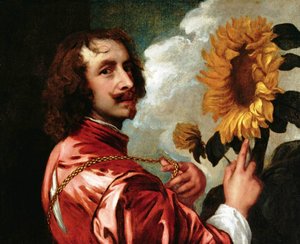
      • Dimensions: 120 x 88 cm
      • Title: Untitled (D2X2RT)
      • Medium: Oil on canvas
      • Subject or theme: Self-portrait
      • Artist: Sir Anthony van Dyck
      • Year: 1620
      • Influences: Peter Paul Rubens

      Kviz o umetnosti

      Pri vsakem vprašanju je na voljo le eden pravilen odgovor.

      Vprašanje 1:
      What is the primary subject matter of this painting?
      Vprašanje 2:
      In what year was this artwork created?
      Vprašanje 3:
      The painting depicts Anthony van Dyck in what attire?
      Vprašanje 4:
      What is the artist's pose conveying?
      Vprašanje 5:
      The backdrop of the painting includes what elements?

      Sir Anthony van Dyck: A Portrait of Renaissance Elegance

      Anthony van Dyck’s “Untitled (D2X2RT)” stands as a testament to the artistic fervor of the Baroque period, specifically capturing the spirit of 1620-21 – a time when Antwerp flourished as a cosmopolitan hub and Van Dyck himself was establishing his reputation as one of Europe's foremost portraitists. This painting isn’t merely a depiction of an individual; it’s an embodiment of aristocratic refinement and a masterful demonstration of artistic innovation.

      • Subject Matter: The artwork portrays Sir Anthony van Dyck himself, presented with dignified composure against a backdrop that subtly incorporates architectural elements – hinting at the grandeur of European courts.
      • Style & Technique: Van Dyck’s signature style is characterized by an unparalleled sensitivity to light and shadow, achieved through meticulous layering of glazes—a technique perfected during his time in Italy. This masterful handling creates a luminous effect that imbues the portrait with depth and realism.
      • Historical Context: Painted during Van Dyck's tenure at Charles I’s court, “Untitled (D2X2RT)” reflects the prevailing aesthetic ideals of the era – prioritizing elegance, restraint, and psychological insight. It exemplifies the Baroque preoccupation with capturing not just outward appearance but also inner character.

      Exploring Symbolism & Composition

      The artist’s posture—hands resting on his hips—communicates confidence and authority, aligning perfectly with the social status of Van Dyck during this period. The inclusion of a ring and necklace serves as subtle emblems of wealth and nobility, reinforcing the portrait's message of aristocratic distinction. Furthermore, the architectural setting contributes to the overall composition by grounding the figure within a broader visual narrative.

      • Color Palette: Van Dyck employed a restrained color palette dominated by muted tones—primarily browns and blacks—creating an atmosphere of solemn dignity. However, strategic highlights illuminate key features, drawing attention to the artist’s face and conveying a sense of inner contemplation.
      • Lighting Effects: The diffused light emanating from the window casts soft shadows across Van Dyck's form, enhancing the portrait’s realism and subtly emphasizing his gaze downward—a gesture that invites viewers to engage in an unspoken dialogue with the subject.

      A Legacy of Artistic Influence

      "Untitled (D2X2RT)" is more than just a beautiful painting; it's a pivotal work in art history. Van Dyck’s innovative approach to portraiture profoundly impacted subsequent generations of artists, establishing him as a pioneer of psychological realism and influencing the stylistic conventions of Baroque painting across Europe. Reproductions of this masterpiece offer collectors and interior designers alike an opportunity to experience firsthand the enduring allure of Renaissance elegance and artistic brilliance.

      • Emotional Impact: The portrait exudes tranquility and introspection, capturing Van Dyck’s contemplative gaze as he observes something beyond the frame—a gesture that speaks to the artist's profound engagement with his subject matter.
      • Decorative Potential: Its understated sophistication lends itself beautifully to interior spaces seeking a touch of timeless elegance – complementing classic furnishings and creating an atmosphere of refined serenity.

      A stunning reproduction of “Untitled (D2X2RT)” allows you to appreciate the artistry of Sir Anthony van Dyck and immerse yourself in the captivating spirit of Baroque Europe.

      Vprašanja in odgovori

      Kakšen občutek si povezujete z delom "Untitled (D2X2RT)"?

      "Untitled (D2X2RT)" je povezano z Reflective občutkom. Čustveni ton opisuje vtis, ki ga delo pusti.

      V katerem muzeju se nahaja original dela "Untitled (D2X2RT)"?

      Originalno delo "Untitled (D2X2RT)" lahko vidite v muzeju Metropolitanski muzej umetnosti, New York, United States of America.

      Kdaj je bilo ustvarjeno "Untitled (D2X2RT)"?

      "Untitled (D2X2RT)" avtorja Sir Anthony Van Dyck je nastalo leta 1620.

      Koliko je bil star/a Sir Anthony Van Dyck, ko je ustvaril/a "Untitled (D2X2RT)"?

      Ko je bilo delo "Untitled (D2X2RT)" ustvarjeno leta 1620, je bil Sir Anthony Van Dyck – rojen leta 1599 – star 21 let.

      Ali obstaja informativni list o delu "Untitled (D2X2RT)" avtorja Sir Anthony Van Dyck za študente?

      Za delo "Untitled (D2X2RT)" avtorja Sir Anthony Van Dyck je na voljo stran Vodnik: natisljiv informativni list o umetninah, zasnovan za uporabo v šolskih prostorih in za učence.

      Kdo je ustvaril "Untitled (D2X2RT)"?

      "Untitled (D2X2RT)" pripisujemo Sir Anthony Van Dyck.

      Ali je "Untitled (D2X2RT)" tipično za dela, ki jih Sir Anthony Van Dyck običajno ustvarja?

      "Untitled (D2X2RT)" prikazuje portraiture, self-portrait, renaissance, baroque art, nobleman, ring jewelry, elegant style, medtem ko so zabeležene teme umetnika Sir Anthony Van Dyck vsebovane v rubens’ impact, flemish style, court dignity, aristocratic taste, religious symbolism, baroque ideal, van dyck legacy, portrait mastery. Primerjava obeh razkriva, kako se del povezuje z običajnimi motivi umetnika.


      Biografija umetnika

      A Flemish Master at the Courts of Europe

      Sir Anthony van Dyck, born in Antwerp on March 22, 1599, emerged as one of the most celebrated and influential portraitists of the Baroque era. His life, though tragically cut short at just forty-two years old, was a whirlwind of artistic exploration and prestigious commissions that took him from his native Flanders to Italy and ultimately to the heart of the English court. From an early age, van Dyck displayed remarkable talent, entering Hendrick van Balen’s workshop as a young apprentice and quickly absorbing the prevailing styles of the time. However, it was his association with Peter Paul Rubens – not merely as a student but as a collaborator – that truly shaped his artistic foundation. He learned from Rubens' dynamic compositions, rich color palettes, and masterful handling of light and shadow, yet van Dyck soon began to forge his own distinct path, one characterized by an elegance and refinement that would become his signature.

      Early Influences and Artistic Training

      Rubens’ influence was profound; he instilled in van Dyck a belief in the expressive power of color and movement—a departure from the more austere styles prevalent at the time. This formative period honed van Dyck's technical skills, equipping him with the tools necessary to achieve his unparalleled artistic vision. He mastered oil painting techniques, diligently studying Rubens’ masterful brushstrokes and compositional strategies. Simultaneously, he cultivated a keen understanding of etching, recognizing its potential for capturing detail and conveying mood—a skill that would prove invaluable throughout his career. These early influences established the bedrock upon which van Dyck constructed his distinctive style, shaping his artistic sensibilities and informing his approach to portraiture.

      Italian Sojourns: The Birth of Style

      Around 1621, van Dyck embarked on a transformative journey to Italy—a pilgrimage that would solidify his reputation as one of the era’s foremost artists. He initially resided in Genoa, where he quickly gained recognition among the city's aristocratic families. It was here that he perfected his signature style—characterized by graceful poses, luxurious fabrics, and an almost palpable sense of nobility. Unlike Rubens’ bold dynamism, van Dyck’s Italian portraits radiated a refined composure, capturing not just physical likeness but also the inner character and social standing of his sitters. He skillfully employed chiaroscuro—the dramatic interplay of light and shadow—to heighten emotional impact and create images that were both visually arresting and psychologically insightful. During this period, he also undertook significant etching projects, demonstrating his exceptional technical prowess and establishing himself as a leading printmaker. His *Iconography* series showcased his meticulous attention to detail and cemented his position as a pioneer of the engraving medium.

      The King’s Painter: Van Dyck in England

      In 1632, van Dyck received an invitation that would forever alter his artistic trajectory—a summons from Charles I of England to become the court painter. This appointment marked a pivotal moment, not only for van Dyck but also for English portraiture. He arrived in London with considerable renown and swiftly became indispensable to the king, tasked with creating images that projected an aura of power, majesty, and divine right. Van Dyck’s portraits of Charles I are particularly noteworthy; he moved away from the stiff, formal representations favored by earlier artists, instead portraying the king as a dynamic, charismatic leader. He employed innovative techniques—dramatic lighting, sweeping gestures, and carefully chosen backgrounds—to create images that were both visually stunning and politically charged. His influence extended beyond the royal family, shaping the visual culture of the English aristocracy for generations to come. He didn’t just paint portraits; he crafted an image of kingship, influencing how royalty was perceived for over a century.

      Legacy and Enduring Influence

      Van Dyck's untimely death in December 9, 1641, tragically curtailed his artistic career, yet his legacy endures to this day. His impact on English portraiture is immeasurable; he established a standard of elegance and sophistication that subsequent artists would strive to emulate. He was a master of both oil painting and etching, constantly experimenting with new techniques. His portraits are characterized by their graceful poses, luxurious fabrics, and subtle psychological insights. Rubens’ influence instilled in him a belief in the expressive power of color and movement—a departure from the more austere styles prevalent at the time. These early influences established the bedrock upon which van Dyck constructed his distinctive style, shaping his artistic sensibilities and informing his approach to portraiture. His works continue to captivate audiences with their beauty, elegance, and enduring psychological depth.
      • Technical Innovation: He was a master of both oil painting and etching, constantly experimenting with new techniques.
      • Stylistic Refinement: His portraits are characterized by their graceful poses, luxurious fabrics, and subtle psychological insights.
      • Courtly Influence: He transformed the image of the English monarchy, creating a visual language of power and prestige.
      The Balbi Children, Charles I in Three Positions, and countless other masterpieces stand as testaments to his genius, ensuring that Sir Anthony van Dyck remains one of the most celebrated artists of the Baroque period. His influence can still be seen today in fashion, photography, and contemporary portraiture—a testament to the timeless appeal of his art.
      Sir Anthony Van Dyck

      Sir Anthony Van Dyck

      1599 - 1641 , Belgjija

      Ključne informacije

      • Artistic Movement Or Style: Baroque
      • Artists Or Movements Influenced By This Artist: ['English portrait painting']
      • Artists Who Influenced This Artist: ['Peter Paul Rubens']
      • Date Of Birth: March 22, 1599
      • Date Of Death: December 9, 1641
      • Full Name: Sir Anthony van Dyck
      • Nationality: Flemish
      • Notable Artworks:
        • Portrait of a woman and child
        • Equestrian portrait of Charles I
        • Lord John Stuart & brother
      • Place Of Birth: Antwerp, Belgium
      Raziščite umetniška dela, razvrščena po temah, slogih in značilnostih.