


 Pregledaj u prostoru
 Podeli
 Podeli
 Detalji
 Vodič
Vodič

 Preuzmi sliku
 Slični predmeti
 Rendgenski snimak
 Automatska prezentacija
 Statistika
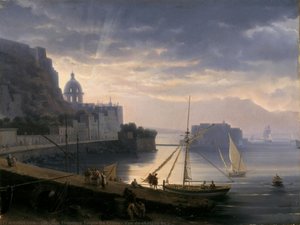
Fishing vessels drying their sails off the coast of capri
 Pročitaj više
Ručno rađena uljana reprodukcija
Ručno oslikano uljanim bojama na platnu u dimenzijama i okviru po vašem izboru, izrađeno po porudžbini od strane naših umetnika. ( Pređi na prodaju štampanih primeraka Pređi na prodaju digitalnih slika)




































Izaberite jednu od naših unapred definisanih veličina koje odgovaraju originalnim proporcijama umetničkog dela.

Možete uneti sopstvene dimenzije kako biste prilagodili umetničko delo određenom okviru ili prostoru. Ako odabrana veličina ne odgovara proporcijama originala, slika će biti isečena ili proširena dodatnim elementima koji se ručno oslikavaju. Digitalni prikaz će vam biti poslat na odobrenje pre početka proizvodnje.
Imajte na umu da pregled na ekranu ne odražava stvarno prisecanje ili proširenje. Samo mockup će precizno prikazati konačnu kompoziciju.
Iako su dostupne prilagođene veličine, preporučujemo da izaberete dimenziju iz unapred definisane liste kako biste sačuvali originalne proporcije.
Nakon narudžbine, tim AllPaintingsStore.com će klijentu putem e-pošte poslati uputstva i dostaviti prikaz predloženog rešenja
Svetska isporuka () za 3/4 nedelje umesto uobičajenih 5 nedelja. (21 септембар). Bez kompromisa po pitanju kvaliteta.

Besplatna ekspresna dostava širom sveta

Visokokvalitetno laneno platno

Sveobuhvatno osiguranje transporta

Garancija povraćaja carine i uvoznih dažbina

Garancija vernosti boja i autentičnosti pri reprodukciji

Politika povraćaja u roku od 100 dana (samo u slučaju nedostataka)

Garancija povrata 100% novca

Popust pri većoj količini
 Opcija sa staklom dostupna je samo za dimenzije manje od 110 cm

Fishing vessels drying their sails off the coast of capri
Tehnika izrade reprodukcije
Veličina reprodukcije
-


Ukupna cena
$ 258
Srodna umetnička dela




Biografija umetnika
Alessandro La Volpe: Capturing the Soul of Southern Italy
Born in Lucera, a town nestled within the heart of Italy’s Campania region, Alessandro La Volpe (1820-1887) emerged as a pivotal figure in 19th-century Italian landscape painting. His artistic journey was deeply intertwined with his homeland – specifically, the sun-drenched landscapes and evocative light of Southern Italy, particularly the regions surrounding Naples and the Amalfi Coast. La Volpe’s work transcends mere representation; he sought to capture not just the visual appearance of these places but also their very essence, imbuing each canvas with a palpable sense of atmosphere and emotion.
La Volpe's early artistic training laid the foundation for his distinctive style. He began his formal studies at the Academy of Fine Arts in Naples, where he was mentored by Gabriele Smargiassi and Salvatore Fergola – both prominent figures within the burgeoning Posillipo School. This influential movement, centered around the picturesque district of Posillipo overlooking the Bay of Naples, emphasized a delicate realism combined with an expressive use of light and color. The influence of Smargiassi’s “rosy manner,” characterized by soft hues and atmospheric effects, is particularly evident in La Volpe's later works.
The Landscape as Narrative
La Volpe’s paintings are predominantly landscapes, but they function more like intimate narratives than simple depictions of scenery. He frequently chose subjects that resonated with the everyday lives of the people inhabiting these regions – bustling caravan scenes, quiet harbors dotted with fishing boats, and panoramic views of ancient ruins bathed in golden light. These weren't grand historical compositions; instead, he focused on capturing fleeting moments, the subtle shifts in light, and the interactions between man and his environment.
A key element of La Volpe’s technique was his masterful manipulation of *chiaroscuro* – the dramatic contrast between light and shadow. He employed this device not merely for aesthetic effect but to create a sense of depth, volume, and emotional intensity. The interplay of light and shade transforms ordinary landscapes into scenes brimming with drama and atmosphere. His use of color is equally noteworthy; he favored warm, earthy tones—ochres, siennas, and umbers—that perfectly mirrored the palette of the Italian countryside.
Influences and Artistic Development
La Volpe’s artistic development was shaped by a confluence of influences. As mentioned earlier, the Posillipo School provided him with a foundational understanding of landscape painting in Italy. However, he also drew inspiration from the Barbizon school in France, known for its emphasis on *plein air* (outdoor) painting and a direct observation of nature. This approach is reflected in his meticulous attention to detail and his ability to capture the nuances of light and color as they appear directly before him.
His early career saw him exhibiting at the annual exhibitions of the Promoter of Fine Arts in Naples, showcasing works such as “Temples of Paestum” and “Marina of Paestum.” Later, he moved to Rome, where he established a studio and continued to develop his distinctive style. His move to Rome marked a shift towards more urban landscapes, though he never abandoned his love for the natural beauty of Southern Italy.
Legacy and Historical Significance
Alessandro La Volpe’s contribution to Italian landscape painting is significant not only for his technical skill but also for his ability to evoke a profound sense of place. His paintings offer a glimpse into the soul of Southern Italy—its beauty, its history, and its enduring spirit. He remains an important figure in the Posillipo School and a testament to the power of art to capture the essence of a region and its people.
His work is held in several museums and private collections worldwide, including the Museum of La Plata in Argentina, where his landscapes of the Gulf of Naples are particularly celebrated. La Volpe’s legacy endures as an artist who masterfully translated the light and atmosphere of Southern Italy onto canvas, creating timeless images that continue to captivate viewers today.

alessandro la volpe
1820 - 1887
Brzi pregled
- Artistic Movement Or Style: Posillipo School
- Artists Or Movements Influenced By This Artist: ['Macchiaioli']
- Artists Who Influenced This Artist:
- Gabriele Smargiassi
- Salvatore Fergola
- Date Of Birth: February 27, 1820
- Date Of Death: August 2, 1887
- Full Name: Alessandro La Volpe
- Nationality: Italian
- Notable Artworks:
- Paesaggio lacustre
- Temples of Paestum
- Place Of Birth: Lucera, Italy

