


 Pregledaj u prostoru

 Pošalji
 Podeli
 Detalji o delu
 Vodič


 Preuzmi
 Slični predmeti
 Rendgenski snimak
 Automatska prezentacija
 Pitanja i odgovori
 Statistika
Sir Thomas Gresham

- 90.0 x 76.0 cm


 Pročitaj više
Giclee štampa / Umetnički otisak
Giclée štampa ili print na platnu muzejskog kvaliteta uz brzu izradu i raznovrsne opcije završne obrade. ( Kupite ručno oslikano delo Pređi na digitalnu sliku)
P118B дин10
P118H дин10
P118W дин10
P438Z дин10
P508JH дин12
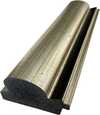
P508YH дин12
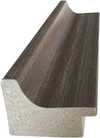
P805H дин10
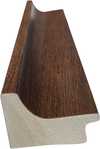
P805Z дин10
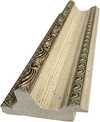
P919BZ дин10
P919G дин10
P919XJ дин10
P959ZH дин10
P968JZ дин12
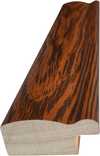
W106C дин8
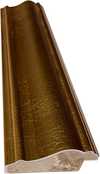
W218G дин10
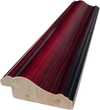
W218JH дин8
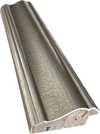
W218Y дин10
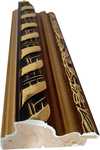
W307PJ дин10
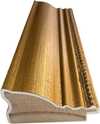
W316G дин10
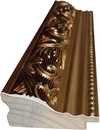
W316PJ дин8
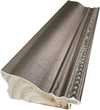
W316Y дин10
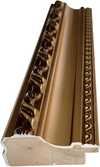
W398PJ дин8
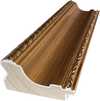
W4111J дин10
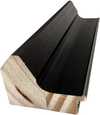
W500HY дин15
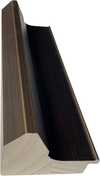
W500JH дин15
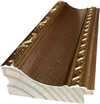
W692G дин12
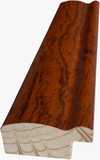
W849H дин8
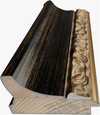
W940BG дин15
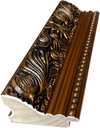
W953PJ дин8
Izaberite jednu od naših unapred definisanih veličina koje odgovaraju originalnim proporcijama umetničkog dela.

Unesite željenu širinu i visinu kako bi se štampa uklopila u vaš ram ili zid. Štampu je moguće samo iseći, ali nikada povećati iznad dimenzija originalne slike, stoga format sa drugačijim proporcijama uzrokuje gubitak dela slike. Pre početka štampe, poslaćemo vam digitalni prikaz radi potvrde. Slika prikazana na ovoj stranici ne predstavlja stvarni isrez — to pokazuje samo digitalni prikaz.
Dostava širom sveta () za 2 nedelje umesto uobičajenih 4/5 nedelja. (19 новембар)

Besplatna ekspresna dostava širom sveta

Visokokvalitetno laneno platno

Potpuno osiguranje transporta

Garancija povraćaja carine i uvoznih dažbina

Garancija vernosti boja

Politika povraćaja u roku od 100 dana (samo u slučaju nedostataka)

Garancija povrata 100% novca

Popust na više proizvoda
 Opcija sa staklom dostupna je samo za dimenzije manje od 110 cm

Sir Thomas Gresham
Giclee štampa / Umetnički otisak
Dimenzije reprodukcije
-


Ukupna cena
дин 6802
Identification of the Portrait of Sir Thomas Gresham
In this portrait, Anthonis Mor Van Dashorst captures the steady presence of Sir Thomas Gresham. The subject sits before us, a man whose influence once shaped the financial landscape of Europe. As the leading English merchant in Antwerp and the financial agent for the English king in the Low Countries, Gresham carries a weight of responsibility in his gaze. He is the man who founded the Royal Exchange and established Gresham College in London, leaving a legacy etched into the very foundations of commerce and education.
The artist, Anthonis Mor Van Dashorst, brings a meticulous eye to this likeness. Born in Utrecht, Netherlands, Mor possesses a way of rendering the individual that feels immediate and alive. This specific work dates to 1560, a moment when the sitter's social standing and professional gravity are palpable. The portrait does more than record a face; it presents a man of significant purpose, frozen in a moment of quiet, commanding authority.
Composition and Visual Details
The subject sits firmly within a chair that dominates the lower portion of the frame, anchoring the entire scene. He is dressed in a black suit, his presence marked by a stern expression and the grooming of a beard and mustache. A collar frames his face, catching the light against the dark fabric of his attire. He holds a posture of quiet authority, his gaze fixed and unyielding. The weight of his position is felt in the stillness of his seated form.
In the space surrounding him, life unfolds in layers. One figure stands directly behind him in the foreground, adding a sense of depth to the immediate circle of the subject. Further back and to the right, a second person occupies the scene, partially distanced from the central focus. This arrangement creates a structured, tiered environment that draws the eye through the social hierarchy of the room. The background reveals a brick wall and an open window, suggesting a connection to the world outside the immediate interior.
Materials and Physical Characteristics
The physical presence of this portrait is defined by its substantial scale, measuring 90 x 76 cm. Originally rendered as an oil on panel, the work carries the weight and texture of its primary medium. The artist’s brushwork captures the subtle shifts in light across the subject's features, a task made possible by the careful application of oil pigments. This specific piece is identified by the object number SK-A-3119.
Time has left its mark on the very substance of the work. While it began its life on a rigid wooden support, the painting has undergone a significant transformation. The original oil on panel was transferred to canvas, a process that alters the way the surface interacts with light and shadow. This transition from wood to fabric changes the tactile quality of the work, lending a different character to the way the colors settle upon the grain.
History and Provenance of the Artwork
The journey of this portrait through the centuries carries it through the hands of emperors and across shifting political borders. At one point in its long history, the painting resides within the private collection of Catherine the Great of Russia. It remains in these imperial circles until the political tides of the twentieth century shift the work's destiny once more. The Soviet Union holds the painting, eventually deciding to sell it to the Rijksmuseum in 1931 to secure foreign currency.
The physical life of the work has seen significant changes to ensure its survival. In 1872, the portrait undergoes a major transformation when the painting of Anne Fernely is transferred from its original panel onto canvas. This restoration marks a pivotal moment in how the work presents itself to the eye. The movement from wood to fabric alters the very substance of the piece, preserving the likeness of the merchant for future generations to witness.
Related Works by Anthonis Mor Van Dashorst
The visual narrative of this portrait finds its companion in the likeness of Anne Fernely, the wife of Gresham. As a pendant to this work, her portrait completes a shared history, capturing the presence of the woman who stood alongside the merchant. This connection links the two figures through a shared space and a shared life, creating a dual presence that speaks to their status and their union.
Mor’s brush also moved through the halls of power, capturing the regal bearing of Mary Tudor, Queen of England, in 1554. His ability to navigate the requirements of the court is evident in his service as a painter to the Spanish king. This high-level patronage allowed him to observe the nuances of nobility and the weight of authority that defined the sixteenth century.
In 1560, the artist turned his attention to Anne Fernel, the Wife of Sir Thomas Gresham. This portrait offers another window into the social fabric of the era, focusing on the character and dignity of the sitter. Through these various commissions, the artist’s hand moves between the private intimacy of a marriage and the public grandeur of royal courts.
Where to See the Artwork Today
The presence of Sir Thomas Gresham remains a constant within the halls of the Rijksmuseum in Amsterdam. Visitors find him held within this prestigious collection, where he resides as part of the museum's permanent holdings. He is identified by the object number SK-A-3119, a mark that traces his place within the museum's vast archives. To stand before him is to encounter a figure preserved through centuries of careful stewardship.
This portrait is kept in the Rijksmuseum, Amsterdam, where the quiet dignity of the subject is maintained for those who seek it. The painting exists as a physical part of the museum's curated environment, allowing the gaze of the viewer to meet the stern expression of the merchant. He remains a fixture of the Dutch institution, a silent inhabitant of the galleries in Amsterdam.
Pitanja i odgovori
Mogu li da gledam "Sir Thomas Gresham" kao prezentaciju preko celog ekrana?
Dijaporama dela "Sir Thomas Gresham" dostupna je na stranici Galerija slika tog umetničkog dela.
Koja je tehnika korišćena za "Sir Thomas Gresham" i kada je delo nastalo?
„Sir Thomas Gresham“ je nastalo 1560. godine, u tehnici Oil On Panel.
Kakvo se raspoloženje i emocija prepliću u "Sir Thomas Gresham"?
„Sir Thomas Gresham”, autor Antonis Mor prenosi Reflective osećaj unutar opšte Elegant atmosfere.
Srodna umetnička dela


Biografija umetnika
Antonis Mor van Dashorst: Slikar kraljevske dostojanstvenosti
Antonis Mor van Dashorst (1517–1577) predstavlja temelj holandskog renesansnog portretizma, oličajujući pedantni realizam i simboličku dubinu koja je karakterisala njegovo doba. Rođen u Utrehtu, u Holandiji, on je potao iz porodice duboko ukorenjene u umetničkoj tradiciji – njegov otac bio je vajar, čime je uspostavljena loza posvećena vizuelnoj reprezentaciji. Iako su biografski detalji prilično oskudni, Morov plodni rad govori mnogo o njegovom talentu i nepokolebljivoj posvećenosti hvatanju suštine njegovih subjekata. Brzo je stekao slavu zahvaljujući sposobnosti da prikaže plemićanstvo sa neprevaziđenom preciznošću, osiguravajući nove porudžbine od najuticajnijih figura širom Evrope. Njegove formativne godine ostale su prilično nepoznate, osim činjenice da je odrastao u Utrehtu. Međutim, studije koje je obavljao pod vođstvom Pietersa Bruegela Starog u Antverpenu omogućile su mu da upije Bruegelovo majstorsko posmatranje ljudske prirode i pejzaža – uticaje koji će prožeti i Morovu sopstvenu umetničku viziju. Boravak u Antverpenu bio je ključan za njegovo umetničko sazrevanje. Usavršavajući svoje veštine uz kolege kao što su Kventin Massys i Hendrik Golse, on se potpuno urastao u vibrantno umetničko okruženje Flandrije. Ovo iskustvo podstaklo je njegovo sofisticirano razumevanje perspektive i chiaroscuro tehnike – metoda koje je vešto koristio kako bi svoje portrete osvetlio dramatičnom igrom svetlosti i senke.Vladavina Marije Tudor: Remek-delo severnorenesanskog portretizma
Morova slava dramatično je porasla nakon što je završio portret Marije Tudor, kraljice Engleske (1554). Ovo monumentalno platno predstavlja vrhunac Morovog umetničkog umeća. Izvedeno sa izuzetnom pažnjom prema detaljima, ono hvata kraljevsko držanje i unutrašnji mir Marije – što je svedočanstvo Morove sposobnosti da prenese psihološku nijansu uporedo sa fizičkom sličicom. Kompozicija je pedantno uravnotežena, koristeći piramidalnu strukturu i suptilne nabore draperije kako bi se naglasio Marijin status i dostojanstvenost. Štaviše, upotreba chiaroscuro efekta stvara očaravajući preplit svetlosti i tame, ističući kraljicino lice i prenoseći auru solemnog veličanstva. Ovaj portret je učvrstio Morovu reputaciju kao jednog od najznačajnijih portretiista svog vremena i ostaje slavni primer umetnosti severne renesanse.- Kraljevski patronat i umetničko priznanje: Mor je imao veliku korist od kraljevskog patronata, dobijajući porudžbine od monarha širom Evrope – uključujući Filipa II Španskog. Ovi angažmani omogućili su mu da istražuje ambiciozne projekte i usavrši svoj umetnički stil, čime je dodatno učvrstio svoj nasleđe kao dvorski umetnik.
- Značajne porudžbine i umetnički stil: Pored portreta Marije Tudor, Mor je preduzeo brojne poslove prikazujući istaknute državnike, diplomate i aristokrate. Njegov prepoznatljiv stil – koji karakteriše pedantni realizam, majstorska perspektiva i ekspresivni chiaroscuro – postao je trenutno prepoznatljiv. On je dosledno davao prioritet prenošenju ne samo fizičkog izgleda, već i karaktera i emocija, podižući svoje portrete iznad običnih sličica u duboke izjave o ljudskom dostojanstvu.
Uticaj i nasleđe
Morov uticaj protegao se daleko izvan njegovih savremenika. Njegov pedantni pristup portretstvu postavio je presedan za buduće generacije umetnika, inspirišući ih da teže većoj tačnosti i psihološkom uvidu. On je zastupao humanističke ideale prevaziđene tokom renesanse, odražavajući nepokolebljivu veru u moć umetnosti da osvetli ljudsko iskustvo. Danas, Morova dela nastavljaju da očaravaju publiku širom sveta, služeći kao večni podsetnici na umetničku briljantnost postignutu tokom zlatnog doba Holandije – perioda koji definišu inovacija, ambicija i duboko apreciiranje lepote.
Antonis Mor
1519 - 1575 , Holandija
Osnovne informacije
- Artistic Movement Or Style: Renesansni portret
- Artists Or Movements Influenced By This Artist: ['Barok']
- Artists Who Influenced This Artist:
- Jan van Eyck
- Rogier van der Weyden
- Date Of Birth: 1517
- Date Of Death: 1577
- Full Name: Anthonis Mor van Dashorst
- Nationality: Holandski
- Notable Artworks:
- Patrijarh Granvelov patuljak
- Kraljica Marija Tudor od Engleske
- Margareta,vojvotkinja od Parma
- Place Of Birth: Utreht, Holandija
Povezani članci

Master of Elegance: The Top 25 Greatest Artworks by Sir Anthony van Dyck
Explore 25 Baroque masterpieces by Sir Anthony van Dyck. Discover timeless elegance and fine art at AllPaintingsStore.com.

25 Must-See Masterpieces at the Rijksmuseum, Amsterdam
Embark on a journey through Dutch history. From Rembrandt’s dramatic Night Watch to Vermeer’s luminous light, explore the top 25 masterpieces of the Rijksmuseum, Amsterdam. Find inspiration with our museum-quality art reproductions. Discover all masterpieces on AllPaintingsStore.com

The Weight of Shadow: Examining the Depth of Brown Pigments and Chiaroscuro in Classical Painting
Explore the technical mastery of earth pigments and chiaroscuro in classical art. Discover the depth of shadow and texture today.