


 Pregledaj u prostoru
 Podeli
 Podeli
 Detalji
 Vodič
Vodič

 Preuzmi sliku
 Slični predmeti
 Rendgenski snimak
 Automatska prezentacija
 Statistika
Tomb of Don Felipe and Doña Juana


 Pročitaj više
Ručno rađena uljana reprodukcija
Ručno oslikano uljanim bojama na platnu u dimenzijama i okviru po vašem izboru, izrađeno po porudžbini od strane naših umetnika. ( Pređi na prodaju štampanih primeraka Pređi na prodaju digitalnih slika)




































Izaberite jednu od naših unapred definisanih veličina koje odgovaraju originalnim proporcijama umetničkog dela.

Možete uneti sopstvene dimenzije kako biste prilagodili umetničko delo određenom okviru ili prostoru. Ako odabrana veličina ne odgovara proporcijama originala, slika će biti isečena ili proširena dodatnim elementima koji se ručno oslikavaju. Digitalni prikaz će vam biti poslat na odobrenje pre početka proizvodnje.
Imajte na umu da pregled na ekranu ne odražava stvarno prisecanje ili proširenje. Samo mockup će precizno prikazati konačnu kompoziciju.
Iako su dostupne prilagođene veličine, preporučujemo da izaberete dimenziju iz unapred definisane liste kako biste sačuvali originalne proporcije.
Nakon narudžbine, tim AllPaintingsStore.com će klijentu putem e-pošte poslati uputstva i dostaviti prikaz predloženog rešenja
Svetska isporuka () za 3/4 nedelje umesto uobičajenih 5 nedelja. (21 септембар). Bez kompromisa po pitanju kvaliteta.

Besplatna ekspresna dostava širom sveta

Visokokvalitetno laneno platno

Sveobuhvatno osiguranje transporta

Garancija povraćaja carine i uvoznih dažbina

Garancija vernosti boja i autentičnosti pri reprodukciji

Politika povraćaja u roku od 100 dana (samo u slučaju nedostataka)

Garancija povrata 100% novca

Popust pri većoj količini
 Opcija sa staklom dostupna je samo za dimenzije manje od 110 cm

Tomb of Don Felipe and Doña Juana
Tehnika izrade reprodukcije
Veličina reprodukcije
-


Ukupna cena
$ 283
Srodna umetnička dela


Biografija umetnika
The Sculptor of the Spanish Renaissance
In the fleeting, brilliant twilight of his short life, Bartolomé Ordóñez managed to bridge the gap between the rugged traditions of Iberian art and the refined elegance of the Italian High Renaissance. Though historical records offer only a fragmented glimpse into his early years, we know him as an hidalgo born in the storied city of Burgos around 1480. His life, though cut short by his death in 1520, represents a pivotal moment in art history where the sculptural language of Spain began to absorb the grace, anatomical precision, and classical harmony flowing from the Italian peninsula.
The true essence of Ordóñez’s genius lies in his ability to act as a conductor of talent. By 1515, he had established a formidable studio in Barcelona, surrounded by a troupe of skilled marble sculptors including Simón de Bellalana, Victorio Cogono, and Juan Florentino. This was not merely a workshop, but a melting pot of styles where the influence of masters like Domenico Fancelli and Gil de Siloé converged. Through this collaborative environment, Ordóñez demonstrated a profound leadership, guiding his assistants to achieve a unified excellence that masked the diverse hands at work.
Mastery in Marble and Wood
The most enduring testament to Ordóñez’s skill can be found within the sacred architecture of the Cathedral of Barcelona. Commissioned in 1517 to construct the magnificent choir stalls and the marble retrochoir, he undertook a task of immense scale and spiritual weight. This project was not merely an artistic endeavor but a political one, prepared for the prestigious session of the Order of the Golden Fleece, presided over by none other than Charles I of Spain. The resulting work is a breathtaking narrative cycle that weaves together the profound mysteries of faith.
In these works, Ordóñez masterfully balanced complex iconography with emotive depth. His sculptural programs included:
- Old Testament Narratives: Evocative scenes such as the embarkation of Noah and the sacrifice of Isaac, rendered with a sense of primordial gravity.
- New Testament Revelations: The poignant journey of Christ on the road to Calvary, the sorrowful deposition, and the triumphant resurrection.
- Divine Virtues and Evangelists: A sophisticated arrangement of the four evangelists and the seven virtues, which served to ground the theological complexity in visual beauty.
Beyond the stone, his influence extended into the delicate medium of woodcarving. While much of his early work, such as the lost Entombment of Jesus for the Hospital de la Santa Creu, has vanished from the physical world, the stylistic echoes of his hand remain visible in the era's finest carvings. His ability to command both the permanence of marble and the warmth of wood allowed him to leave an indelible mark on the Spanish landscape, ensuring that the transition into the Renaissance was not just a change in technique, but a profound evolution of the Spanish soul.

bartolomé ordóñez
1480 - 1520 , Spain
Brzi pregled
- Artistic Movement Or Style: Spanish Renaissance
- Artists Who Influenced This Artist:
- Gil de Siloé
- Domenico Fancelli
- Date Of Birth: 1480
- Date Of Death: 1520
- Full Name: Bartolomé Ordóñez
- Nationality: Spanish
- Notable Artworks:
- Barcelona Cathedral choir stalls
- Adoration of the Magi
- Place Of Birth: Burgos, Spain
Srodni članci
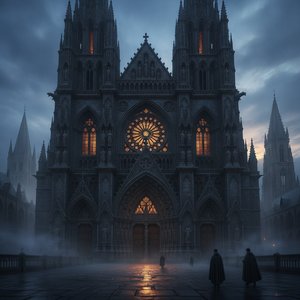
Gothic Art Guide for Hotel Designers: Leveraging Dramatic Shadows and Architectural Grandeur in Luxury Interiors
Elevate hospitality interiors with our expert guide to Gothic art. Discover how to leverage dramatic shadows, architectural grandeur, and high-end reproductions to create sophisticated, atmospheric hotel spaces that captivate guests.

