


 Pregledaj u prostoru

 Pošalji
 Podeli
 Detalji o delu
 Vodič


 Preuzmi
 Slični predmeti
 Rendgenski snimak
 Automatska prezentacija
 Pitanja i odgovori
 Statistika
Cephalu

- 90.0 x 116.0cm

 Pročitaj više
Giclee štampa / Umetnički otisak
Giclée štampa ili print na platnu muzejskog kvaliteta uz brzu izradu i raznovrsne opcije završne obrade. ( Kupite ručno oslikano delo Pređi na digitalnu sliku)
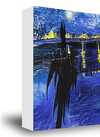
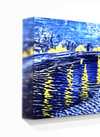
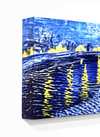
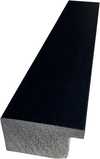
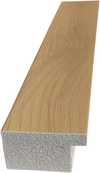
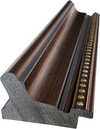
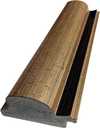
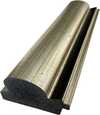
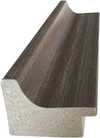
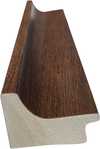
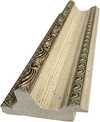
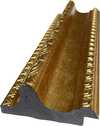
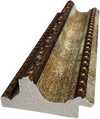
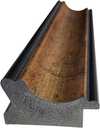
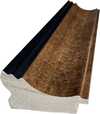
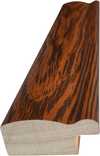
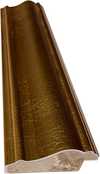
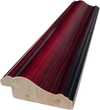
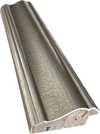
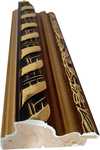
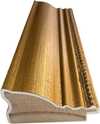
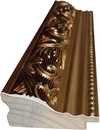
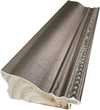
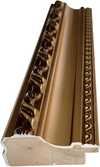
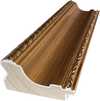
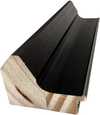
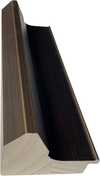
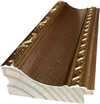
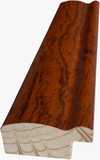
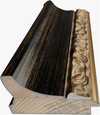
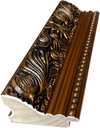
Izaberite jednu od naših unapred definisanih veličina koje odgovaraju originalnim proporcijama umetničkog dela.

Unesite željenu širinu i visinu kako bi se štampa uklopila u vaš ram ili zid. Štampu je moguće samo iseći, ali nikada povećati iznad dimenzija originalne slike, stoga format sa drugačijim proporcijama uzrokuje gubitak dela slike. Pre početka štampe, poslaćemo vam digitalni prikaz radi potvrde. Slika prikazana na ovoj stranici ne predstavlja stvarni isrez — to pokazuje samo digitalni prikaz.
Dostava širom sveta () za 2 nedelje umesto uobičajenih 4/5 nedelja. (18 новембар)

Besplatna ekspresna dostava širom sveta

Visokokvalitetno laneno platno

Potpuno osiguranje transporta

Garancija povraćaja carine i uvoznih dažbina

Garancija vernosti boja

Politika povraćaja u roku od 100 dana (samo u slučaju nedostataka)

Garancija povrata 100% novca

Popust na više proizvoda
 Opcija sa staklom dostupna je samo za dimenzije manje od 110 cm

Cephalu
Giclee štampa / Umetnički otisak
Dimenzije reprodukcije
-


Ukupna cena
дин 6801
Srodna umetnička dela


Biografija umetnika
Patrons, Workshop and Commissions
Rottmann’s life was closely tied to the Bavarian court. He spent much of his time teaching drawing to those within the royal circle, including his cousin, Princess Therese of Bavaria. His influence extended to the education of Crown Prince Ludwig, who would later become King Ludwig II of Bavaria. This connection led to a specific commission in 1861, when the Crown Prince asked him to design the scenery and costumes for a production of Lohengrin by Richard Wagner. His teaching also reached beyond Munich, as he served as the drawing teacher for King Otto of Greece and Prince Luitpold.
The Bavarian court provided significant work for him through large-scale watercolor cycles. In 1854 and 1858, he received two major commissions to produce these works, which focused on the hunting grounds of Maximilian II and views of the Tyrolean, Swiss, and Bavarian Alps. These pieces were eventually acquired by the royal copperplate engraving collection, known today as the Graphic Collection in Munich. His long-standing relationship with the monarchy was formalized in 1868 when he was named court painter.
Technique and Style
Leopold Rottmann found his most natural expression in watercolors. While his approach was rooted in Naturalism, his hand often followed the patterns of Classically trained painters. The influence of Joseph Anton Koch and Friedrich Preller the Elder is visible in how he structured his landscapes. He did not seek the sharp, rigid lines found in the work of his brother, Carl. Instead, he rendered the textures of rocks and the edges of trees with a softer, more blurred quality. This choice allowed for a gentler transition between the elements of the landscape.
As his practice evolved, his focus shifted toward the way light moves across a scene. His later watercolors show a growing preoccupation with the natural appearance of light and how it settles on the land. This change in observation brought a shift in his palette. His earlier works leaned heavily on greens, blues, and yellow-green tones. In his later years, these colors gave way to a predominance of brown tones, creating a different atmosphere in his compositions.
Key Works
His early output often focused on the rugged terrain of the Alps. In 1834, he produced Der Untersberg von Berchtesgaden aus gesehen, a work that emerged from his studies of the Bavarian and Salzburg mountains. Around 1830, he painted Königssee mit dem Einschiffungsplatz, capturing the specific atmosphere of the lakeside landing area. This interest in the water and the surrounding peaks continued in later compositions such as Am Königssee and Am Vierwaldstätter See.
The artist also turned his attention to different landscapes and specific geological features. His 1837 work Dalmatinische Küstenlandschaft shows a departure from the alpine settings toward the coastal views of the Adriatic. Other notable pieces include Aus dem Inntal and Barmsee mit der Zugspitze, which reflect his continued engagement with the natural forms of the mountains and the way light settles upon them.

Leopold Rottmann
1812 - 1881 , Germany
Osnovne informacije
- Artistic Movement Or Style: Naturalist, Romanticism
- Artists Who Influenced This Artist:
- Joseph Anton Koch
- Friedrich Preller the Elder
- Full Name: Leopold Rottmann
- Nationality: German
- Notable Artworks:
- Am Königssee
- Am Vierwaldstätter See
- Aus dem Inntal
- Barmsee mit der Zugspitze
- Schloßhof von Hohenschwangau
- Place Of Birth: Heidelberg, Germany
- Date Of Birth: 1812
- Date Of Death: 1881
Povezani članci

Deconstructing Reality: Analytical Cubism's Formative Years & Lasting Influence
Explore the revolutionary world of Analytical Cubism with AllPaintingsStore. Discover Picasso & Braque's groundbreaking techniques, its philosophical roots, and lasting impact on modern art. Expert insights for collectors.

Lorenzo Lotto: Unveiling the Enigma of a Venetian Master's Portraits
Explore the captivating world of Lorenzo Lotto, a Venetian Renaissance master renowned for his psychologically insightful portraits & enigmatic symbolism. Discover his life, style, and rediscovered legacy with AllPaintingsStore.