

Akril na platnu, 92.0 x 89.0 cm.

§ 1Katalog podaci

- 92.0 x 89.0 cm

§ 2Apstraktno
Opis predmeta
Istražite Monetovo remek-delo Ljiljani, impresionističko odašunjajuće delo bogatih boja. Otkrijte ovo kultno umetničko delo u muzeju L'Orangerie.
 Pročitaj više
Biografija umetnika
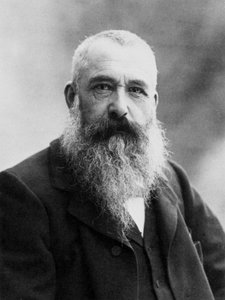
Istražite svet Kloda Moneta, majstora impresionizma poznatog po dočaravanju prolaznog svetla i boje kroz ikonične pejzaže poput Ciklama i Snopova].
§ 3Komentar
A Glimpse into Monet’s World: The Serenity of Waterlilies
This captivating artwork transports viewers to the tranquil gardens of Claude Monet in Giverny, offering a quintessential example of his celebrated water lily series. Painted around 1883 – a period marking Monet's settled life at Giverny after years wandering along the Seine – this piece embodies the core tenets of Impressionism: capturing fleeting moments of light and atmosphere. The canvas is dominated by a dense arrangement of lily pads and blossoms, their forms dissolving into reflections on the dark, still water. It’s not merely a depiction *of* a pond; it's an evocation of its very essence – the play of light, the subtle shifts in color, and the overall sense of peaceful contemplation.Impressionistic Technique & Artistic Innovation
Monet’s masterful technique is immediately apparent in the loose, visible brushstrokes that define this work. He eschews precise detail in favor of capturing the *impression* of light and form. The application of oil paint is rich and textured – a hallmark of impasto – creating a surface that seems to shimmer with life. Colors are layered and blended, particularly the deep greens contrasted with the delicate pinks and whites of the lilies themselves. This approach wasn’t simply stylistic; it was revolutionary for its time. Monet, along with his Impressionist contemporaries, rejected the academic conventions of precise representation, instead prioritizing subjective perception and the ephemeral qualities of light. Plein air painting – a technique championed by Eugène Boudin, who profoundly influenced Monet early in his career – allowed him to directly observe and translate these effects onto canvas.Symbolism & Emotional Resonance
Beyond its aesthetic beauty, the water lily motif carries symbolic weight. The pond represents a microcosm of nature, a self-contained world reflecting the larger universe. Waterlilies themselves are often associated with purity, enlightenment, and rebirth – themes that resonate deeply within Monet’s work. The painting evokes a sense of calm, serenity, and timelessness. It invites viewers to pause, breathe, and lose themselves in the beauty of the natural world. This emotional impact is further enhanced by the diffused lighting and flattened perspective, which contribute to the dreamlike quality of the scene. The artwork isn’t just *about* waterlilies; it's about a feeling – a state of mind achieved through immersion in nature.Monet’s Legacy & Collecting Considerations
Claude Monet (1840-1926) remains one of the most beloved and influential artists in history, and his water lily paintings are among his most iconic creations. His dedication to capturing light and atmosphere paved the way for modern art movements, influencing generations of painters. This particular work, measuring 92 x 89 cm, offers a compelling example of his mature style. For collectors and interior designers alike, a high-quality reproduction of this painting can bring a touch of Impressionistic elegance and tranquility to any space. The subdued color palette and organic forms lend themselves well to a variety of décor styles, from traditional to contemporary, creating a focal point that is both visually stunning and emotionally resonant. Museums like the Musée de l'Orangerie and the Musée Marmottan Monet in Paris house significant collections of his work, offering further opportunities for appreciation and study.Pitanja i odgovori
Koja dimenzija i orijentacija štampe se preporučuju za „Ljiljani”, autor Клод Моне?
Preporučuje se štampa dela „Ljiljani”, autor Клод Моне u veličini Veliki format i Kvadratni format orijentaciji.
Mogu li detaljnije da pregledam "Ljiljani"?
Delo "Ljiljani" možete istraživati sloj po sloj na stranici Rentgensko posmatranje, koja predstavlja interaktivni pregledač inspirisan konzervatorskim svetlosnim stolom, sa jedanaest optičkih prikaza slike.
Da li je dostupno preuzimanje za "Ljiljani"?
Digitalnu sliku dela „Ljiljani”, autor Клод Моне možete preuzeti na stranici za preuzimanje ovog umetničkog dela: Preuzimanje digitalnog prikaza: preuzimanje digitalne slike visoke rezolucije.


 Pređi na štampu


 Za umetnička dela ili reprodukcije čija je bilo koja strana veća od 105 cm (približno 41 inč), okvir će biti isporučen u obliku rastavljenog seta za sklapanje. Ovaj metod osigurava bezbednu dostavu i sprečava oštećenja tokom transporta.


