


 Pregledaj u prostoru
 Podeli
 Podeli
 Detalji
 Vodič
Vodič

 Preuzmi sliku
 Slični predmeti
 Rendgenski snimak
 Automatska prezentacija
 Statistika
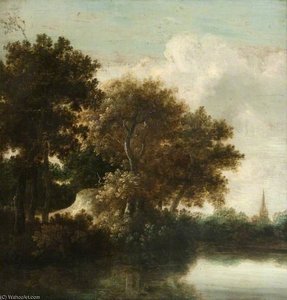
Cottage By A River
 Pročitaj više
Ručno rađena uljana reprodukcija
Ručno oslikano uljanim bojama na platnu u dimenzijama i okviru po vašem izboru, izrađeno po porudžbini od strane naših umetnika. ( Pređi na prodaju štampanih primeraka Pređi na prodaju digitalnih slika)




































Izaberite jednu od naših unapred definisanih veličina koje odgovaraju originalnim proporcijama umetničkog dela.

Unesite širinu i visinu koja vam je potrebna, kako bi se uklopili u vaš ram ili zid. Pošto je ovo ručno oslikano delo, umetnik može naslikati malo više prostora oko slike ili malo skratiti ivice za dimenzije drugačijeg oblika — izbor je na vama. Pre početka rada, poslaćemo vam digitalni prikaz radi potvrde. Slika prikazana na ovoj stranici ne predstavlja konačan rezultat — samo digitalni prikaz pokazuje stvarnu sliku.
Nakon narudžbine, tim AllPaintingsStore.com će klijentu putem e-pošte poslati uputstva i dostaviti prikaz predloženog rešenja
Svetska isporuka () za 3/4 nedelje umesto uobičajenih 5 nedelja. (26 октобар). Bez kompromisa po pitanju kvaliteta.

Besplatna ekspresna dostava širom sveta

Visokokvalitetno laneno platno

Sveobuhvatno osiguranje transporta

Garancija povraćaja carine i uvoznih dažbina

Garancija vernosti boja i autentičnosti pri reprodukciji

Politika povraćaja u roku od 100 dana (samo u slučaju nedostataka)

Garancija povrata 100% novca

Popust pri većoj količini
 Opcija sa staklom dostupna je samo za dimenzije manje od 110 cm

Cottage By A River
Tehnika izrade reprodukcije
Veličina reprodukcije
-


Ukupna cena
дин 26604
Srodna umetnička dela


Biografija umetnika
The Serene Vision of Cornelius Decker
In the golden light of the seventeenth century, amidst the bustling artistic fervor of Haarlem, the works of Cornelius Gerritsz. Decker emerged as a quiet sanctuary for the soul. A master of the Dutch Golden Age, Decker possessed a rare ability to capture the profound stillness of the natural world, transforming simple river landscapes and rural vistas into poetic meditations on tranquility. While the biographical shadows surrounding his early years remain somewhat elusive, we know him to have been a vital presence in the Haarlem artistic community, a painter whose brushstrokes breathed life into the atmospheric textures of the Dutch countryside.
Decker’s artistic journey was deeply rooted in the prestigious traditions of his era. He sought mastery under the guidance of Gerrit Claesz Bleker, a respected figure who passed down the stylistic legacies of landscape giants like Jacob van Ruisdael and Salomon van Ruysdael. This lineage is evident in Decker’s sophisticated use of pyramidal compositions and his command over muted, earthy palettes that evoke the soft, shifting light of the Low Countries. His entry into the Haarlem Guild of St. Luke in 1643 marked his formal ascent into the professional elite, a milestone that allowed him to engage with the most significant artistic currents of his time.
A Tapestry of Landscape and Life
To gaze upon a Decker landscape is to enter a world where time seems to decelerate. His canvases often feature winding rivers, sturdy bridges, and humble cottages, all rendered with an exquisite attention to atmospheric perspective. He did not merely paint scenery; he painted the very air that hangs over a summer meadow or a misty riverbank. Through meticulous detail and a harmonious blend of observation and imagination, Decker achieved a sense of grandeur within the seemingly ordinary. His work often serves as a window into the pastoral rhythms of Dutch life, where the movement of a small boat or the presence of distant figures adds a layer of human narrative to the vastness of nature.
The brilliance of his compositions was frequently enhanced through the art of collaboration. Decker had the remarkable ability to integrate staffage—the small, lively figures that populate his scenes—into his landscapes with seamless grace. He worked alongside contemporaries such as Adriaen van Ostade, Philips Wouwerman, and Johannes Lingelbach, whose contributions of peasants, travelers, or animals provided a dynamic counterpoint to his serene environments. These collaborations highlight the interconnectedness of the Haarlem school, where individual talents merged to create a collective vision of Dutch prosperity and natural beauty.
Legacy of the Golden Age
Though history occasionally overlooks the more subtle masters in favor of the more dramatic, the significance of Cornelius Decker remains undiminished for those who seek the quietude of the Dutch tradition. His ability to imitate and evolve from the styles of Jan Wynants and Wouwerman while maintaining his own distinctive, tranquil voice allowed him to leave an indelible mark on the landscape genre. He captured a specific moment in history—a period of profound stability and aesthetic refinement—ensuring that the peaceful essence of the seventeenth-century Dutch landscape would endure through the centuries.
Today, Decker’s legacy lives on in the museums and collections that house his masterpieces, where his river scenes continue to offer a sense of peace to the modern viewer. His work stands as a testament to the power of the landscape to convey complex human emotions, from the humble contentment of rural life to the sublime majesty of the natural world. Through his eyes, we are reminded of the beauty found in the stillness, and the enduring strength of the Dutch Golden Age spirit.
Cornelius Decker
1623 - 1678
Brzi pregled
- Full Name: Cornelis Gerritsz Decker
- Nationality: Dutch
- Date Of Birth: 1623
- Date Of Death: 1678
- Place Of Birth: Haarlem
- Notable Artworks:
- Canal with bridge
- Windmill
- Artistic Movement Or Style: Dutch Golden Age Landscape Painting
- Artists Who Influenced This Artist:
- Jacob van Ruisdael
- Salomon van Ruysdael
- Artists Or Movements Influenced By This Artist: ['Johannes Lingelbach']

