


 Pregledaj u prostoru
 Podeli
 Podeli
 Detalji
 Vodič
Vodič

 Preuzmi sliku
 Slični predmeti
 Rendgenski snimak
 Automatska prezentacija
 Statistika
Virgin and Child
 Oil On Canvas
- WallArt
- Renaissance
 1520
1520- Renaissance
 62.0 x 42.0 cm
 Мауритшhuis
 Pročitaj više
Giclee štampa / Umetnički otisak
Giclée štampa ili print na platnu muzejskog kvaliteta uz brzu izradu i raznovrsne opcije završne obrade. ( Naručite ručno oslikano reprodukciju Pređi na prodaju digitalnih slika)




P118B дин10

P118H дин10

P118W дин10

P438Z дин10

P508JH дин12

P508YH дин12

P805H дин10

P805Z дин10

P919BZ дин10

P919G дин10

P919XJ дин10

P959ZH дин10

P968JZ дин12

W106C дин8

W218G дин10

W218JH дин8

W218Y дин10

W307PJ дин10

W316G дин10

W316PJ дин8

W316Y дин10

W398PJ дин8

W4111J дин10

W500HY дин15

W500JH дин15

W692G дин12

W849H дин8

W940BG дин15

W953PJ дин8




Izaberite jednu od naših unapred definisanih veličina koje odgovaraju originalnim proporcijama umetničkog dela.

Unesite širinu i visinu koja vam je potrebna, kako bi se uklopili u vaš ram ili na vaš zid. Štampa se može samo iseći, nikada ne može biti veća od originalne slike, stoga format sa drugačijim proporcijama gubi deo slike. Poslaćemo vam digitalni prikaz radi potvrde pre nego što započnemo štampu. Slika prikazana na ovoj stranici ne pokazuje stvarni rez — to pokazuje samo digitalni prikaz.
Dostava širom sveta () za 2 nedelje umesto uobičajenih 4/5 nedelja. (26 октобар)

Besplatna ekspresna dostava širom sveta

Visokokvalitetno laneno platno

Sveobuhvatno osiguranje transporta

Garancija povraćaja carine i uvoznih dažbina

Garancija vernosti boja i autentičnosti pri reprodukciji

Politika povraćaja u roku od 100 dana (samo u slučaju nedostataka)

Garancija povrata 100% novca

Popust pri većoj količini
 Opcija sa staklom dostupna je samo za dimenzije manje od 110 cm

Virgin and Child
Giclee štampa / Umetnički otisak
Veličina reprodukcije
-


Ukupna cena
дин 6600
Exquisite Subject and Sacred Symbolism
This captivating painting depicts the revered Madonna and Child, a timeless symbol of divine grace and maternal tenderness. The central figures radiate serenity and spiritual intimacy, inviting viewers into a sacred moment of reverence. The Madonna’s gentle gaze and the infant Jesus’s innocent expression evoke a profound sense of devotion, making this piece a powerful focal point for both personal reflection and spiritual inspiration.Masterful Style and Artistic Technique
Created during the Renaissance or Baroque period, this artwork exemplifies meticulous craftsmanship and a deep understanding of religious iconography. The artist employs fine brushwork and a rich palette of colors—subtle pinks, warm oranges, and luminous golds—that enhance the divine atmosphere. The careful use of light and perspective creates a sense of depth, drawing the viewer’s eye directly to the sacred figures and emphasizing their spiritual significance.Historical Context and Artistic Significance
Produced around 1520, this painting reflects the era’s devotion to religious themes and the revival of classical artistic principles. During this period, religious artworks served as both devotional objects and expressions of cultural identity. The balanced composition and symbolic elements—such as the serene landscape background—situate the divine within a natural, earthly realm, bridging the spiritual and the worldly.Symbolism and Emotional Impact
Every detail in this piece is imbued with meaning: the tender embrace signifies divine love and maternal care, while the harmonious composition underscores spiritual harmony. The use of radiant colors and delicate textures evokes feelings of peace, hope, and reverence. This artwork not only celebrates religious devotion but also inspires a sense of calm and spiritual elevation in its viewers.Perfect for Collection and Interior Design
Ideal for art collectors, interior designers, and those seeking a meaningful centerpiece, this hand-painted reproduction offers a high-quality, timeless addition to any space. Its profound symbolism and exquisite craftsmanship make it a compelling conversation piece, enriching both private collections and sacred environments. Whether displayed in a living room, chapel, or gallery, this piece transforms any setting into a sanctuary of beauty and spiritual reflection.Pitanja i odgovori
Da li je „Virgin and Child”, Cranach The Elder svetlo ili tamno umetničko delo?
Zabeležene vrednosti za „Virgin and Child”, Cranach The Elder su: osvetljenost deep_shadow, luminansa Dark.
Koja je dominantna nijansa dela „Virgin and Child”, Cranach The Elder?
Ochre to Sepia nijansa prožima delo „Virgin and Child”, Cranach The Elder.
Koji su dominantni koloriti u delu „Virgin and Child”, Cranach The Elder?
„Virgin and Child”, Cranach The Elder koristi Earthy paletu, pri čemu je Espresso (#325453) dominantna boja.
Srodna umetnička dela


Biografija umetnika
Lucas Cranach the Elder: Life and Legacy
Early Life and Training
- Born around 1472 in Kronach, Germany, Lucas Cranach the Elder was a pivotal figure of the German Renaissance.
- His father, Hans Maler (meaning “the painter”), provided his initial artistic training.
- The specifics of his early education remain somewhat unclear, but it’s believed he studied with South German masters and potentially spent time in Vienna.
Career at the Saxon Court
- In 1504, Cranach entered the service of Duke Frederick III, Elector of Saxony (Frederick the Wise), marking a turning point in his career.
- He became the court painter and remained in this position for life, creating portraits, altarpieces, and woodcuts.
- His workshop flourished, becoming one of the most productive artistic centers in Germany.
Artistic Style and Influences
- Cranach’s style is characterized by elegant elongated figures, delicate colors, and a keen observational skill.
- He was influenced by the Northern Renaissance emphasis on realism and detail.
- Early works show influences from traditional religious art, but his style evolved over time.
- His work often blended mythological and religious themes with a distinctive aesthetic sensibility.
Major Works and Themes
- Notable paintings include Judith victorious, Venus and Cupid, and The Golden Age.
- He produced numerous portraits, including a series of depictions of Catherine Bore.
- Cranach is particularly famous for his portraits of Martin Luther, creating eleven surviving images of the reformer.
- His work frequently explored themes of love, beauty, morality, and religious faith.
The Reformation and Cranach’s Role
- Cranach was a staunch supporter of the Protestant Reformation and embraced its cause with enthusiasm.
- He used his art to promote Reformation ideals, creating images that challenged traditional Catholic iconography.
- His close friendship with Martin Luther profoundly influenced his artistic output.
Legacy and Historical Significance
- Cranach’s workshop continued to produce works in his style after his death in 1553, carried on by his son, Lucas Cranach the Younger.
- He is considered one of the most successful German artists of his time.
- His art provides valuable insights into the social, religious, and political landscape of the 16th century.
- Cranach’s influence can be seen in the work of later Renaissance and Baroque artists.

Cranach The Elder
1553 , Germany
Brzi pregled
- Name: Lucas Cranach the Elder
- Movement: German Renaissance, Northern Renaissance
- Birth_Date: c. 1472
- Death_Date: 1553
- Influenced: His son, Lucas Cranach the Younger
- Birth_Place: Kronach, Germany
- Nationality: German
- Date Of Death: 1553
- Influenced_By: South German masters
- Notable_Works:
- Judith victorious
- Venus and Cupid
- The Golden Age
- Portraits of Catherine Bore
- Hans Melber
- Portraits of Martin Luther
- Place Of Birth: Kronach, Germany
Srodni članci
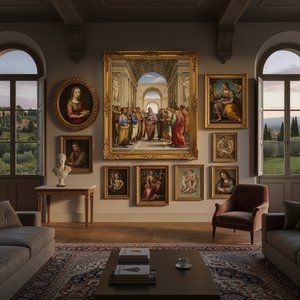
Rafaela Sanzio: 25 Remek-dela Renesansnog Majstora za Vaš Dom | AllPaintingsStore
Uronite u svet Rafaela Sanzija! Otkrijte 25 remek-dela renesansnog umetnika, od Madona do fresaka Vatikana. Inspiracija za dekoraciju enterijera i kupovina reprodukcija slika visoke rezolucije na AllPaintingsStore.com.

Divine Love: A Curated Guide to the Most Iconic Madonna and Child Masterpieces in Art History
Embark on a sophisticated journey through art history with our curated guide to the most iconic Madonna and Child masterpieces. Discover the profound beauty, theological depth, and enduring legacy of these sacred Renaissance treasures.

Divine Grace: A Journey Through the Most Iconic Depictions of the Virgin Mary in Art History
Embark on a profound journey through art history with our exploration of the most iconic depictions of the Virgin Mary. Discover the divine grace, symbolism, and masterful techniques found in Renaissance masterpieces and sacred iconography.

Divine Innocence: A Guide to Capturing the Beauty of Baby Jesus in Fine Art History
Explore the profound beauty of Baby Jesus in fine art history. From Raphael's Renaissance masterpieces to symbolic light, discover how classical painters captured divine innocence through masterful technique and sacred iconography.

Divine Grace: An Art Historian's Journey Through Iconic Masterpieces of the Virgin Mary
Explore the profound beauty of Marian iconography through an art historian's lens. Discover iconic masterpieces by Raphael and Renaissance masters, celebrating the divine grace and timeless elegance of the Virgin Mary in classical fine art.

