Pregledaj u prostoru
 Pošalji
 Podeli
 Detalji o delu
 Vodič
Vodič

 Preuzmi
 Slični predmeti
 Rendgenski snimak
 Automatska prezentacija
 Pitanja i odgovori
 Statistika
Envy


 Pročitaj više
Giclee štampa / Umetnički otisak
Giclée štampa ili print na platnu muzejskog kvaliteta uz brzu izradu i raznovrsne opcije završne obrade. ( Kupite ručno oslikano delo Pređi na digitalnu sliku)




P118B дин10

P118H дин10

P118W дин10

P438Z дин10

P508JH дин12

P508YH дин12

P805H дин10

P805Z дин10

P919BZ дин10

P919G дин10

P919XJ дин10

P959ZH дин10

P968JZ дин12

W106C дин8

W218G дин10

W218JH дин8

W218Y дин10

W307PJ дин10

W316G дин10

W316PJ дин8

W316Y дин10

W398PJ дин8

W4111J дин10

W500HY дин15

W500JH дин15

W692G дин12

W849H дин8

W940BG дин15

W953PJ дин8




Izaberite jednu od naših unapred definisanih veličina koje odgovaraju originalnim proporcijama umetničkog dela.

Unesite željenu širinu i visinu kako bi se štampa uklopila u vaš ram ili zid. Štampu je moguće samo iseći, ali nikada povećati iznad dimenzija originalne slike, stoga format sa drugačijim proporcijama uzrokuje gubitak dela slike. Pre početka štampe, poslaćemo vam digitalni prikaz radi potvrde. Slika prikazana na ovoj stranici ne predstavlja stvarni isrez — to pokazuje samo digitalni prikaz.
Dostava širom sveta () za 2 nedelje umesto uobičajenih 4/5 nedelja. (9 новембар)

Besplatna ekspresna dostava širom sveta

Visokokvalitetno laneno platno

Potpuno osiguranje transporta

Garancija povraćaja carine i uvoznih dažbina

Garancija vernosti boja

Politika povraćaja u roku od 100 dana (samo u slučaju nedostataka)

Garancija povrata 100% novca

Popust na više proizvoda
 Opcija sa staklom dostupna je samo za dimenzije manje od 110 cm

Envy
Giclee štampa / Umetnički otisak
Dimenzije reprodukcije
-


Ukupna cena
дин 6809
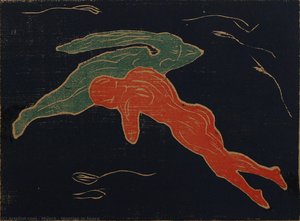
A Portrait of Inner Turmoil: Exploring Edvard Munch’s “Envy”
The painting "Envy," created by Edvard Munch in 1901, isn't merely a depiction of a man; it’s an embodiment of psychological distress—a visceral representation of the anxieties that defined Munch’s artistic output and resonate powerfully with audiences today. Captured in stark black and white, the artwork immediately commands attention through its unsettling composition and masterful execution. It speaks volumes about the artist’s personal struggles and his profound understanding of human emotion.- Subject Matter: At first glance, the painting presents a solitary figure—a man clutching his face in anguish—a gesture universally recognized as indicative of despair or overwhelming emotion. The subtle blue shirt he wears adds a touch of color against the monochrome backdrop, subtly highlighting the vulnerability of the subject.
- Style: Munch’s style is firmly rooted in Expressionism, prioritizing emotional intensity over realistic representation. He abandons conventional perspective and strives to convey inner feelings rather than external appearances. This stylistic choice aligns perfectly with his preoccupation with themes of anxiety, fear, and psychological torment—elements that permeate throughout his oeuvre.
Technique: Impressionistic Brushstrokes Amidst Darkness
Munch employed a technique characterized by loose, agitated brushstrokes—a hallmark of Expressionism. These strokes aren’t intended to capture precise details but rather to convey the artist's subjective experience of the scene. The textured surface of the painting contributes significantly to its emotional impact, mirroring the turbulent state of mind depicted within. Notice how Munch skillfully utilizes tonal variations to heighten drama and create a sense of unease; the darker shades dominate, emphasizing the oppressive atmosphere.- Color Palette: Although presented in black and white, Munch’s masterful use of tonal shading creates an illusion of color. The dominant blues evoke feelings of melancholy and isolation, reinforcing the painting's overarching mood.
- Composition: The composition is deliberately unbalanced, drawing the viewer’s eye to the central figure while simultaneously emphasizing the desolate landscape surrounding him. The placement of the houses and boat serves as a visual anchor, grounding the image but also subtly highlighting the man’s isolation from society.
Historical Context: Fin-de-Siècle Anxiety and Munch's Personal Demons
“Envy” emerged during the Fin-de-Siècle period—a time of profound social and intellectual upheaval in Europe. Artists like Munch wrestled with anxieties about modernity, industrialization, and the decline of traditional values. Munch’s own life was marked by tragedy and illness, profoundly influencing his artistic vision. He suffered from debilitating anxiety attacks and struggled to reconcile his faith with the horrors he witnessed during World War I. These experiences fueled his exploration of psychological themes—fear, grief, and despair—themes that find expression in “Envy” as a reflection of the broader cultural anxieties of the era.Symbolism: Faces of Fear and Isolation
The man’s gesture of clutching his face is laden with symbolic significance. It represents not only physical pain but also emotional anguish—a desperate attempt to shield oneself from overwhelming feelings. The blue shirt symbolizes vulnerability and fragility, mirroring the artist's own struggles with mental illness. Furthermore, the desolate landscape serves as a visual metaphor for inner turmoil—representing the emptiness and despair that characterize Munch’s psychological state. “Envy” is ultimately a portrait of existential dread—a haunting reminder of humanity’s inherent vulnerability to suffering.Pitanja i odgovori
U kojoj je tehnici izvedeno delo „Envy”, autor Едвард Мунк?
Едвард Мунк je koristio/la tehniku Acrylic za delo "Envy". Ova tehnika definiše materijalnu prirodu originalnog dela.
Postoji li vodič za „Envy”, autor Едвард Мунк?
Stranica Vodič za učenike za delo „Envy”, autor Едвард Мунк nudi štampani informativni list u dve stranice: sam rad sa tabelom identifikacije, vremensku traku koja ga smešta u period života umetnika, druga dela istog umetnika, izmerenu paletu boja i citate spremne za kopiranje u četiri stila.
Kome se pripisuje delo "Envy"?
Autor dela "Envy" je Едвард Мунк. Delo je katalogizovano pod imenom Едвард Мунк.
Srodna umetnička dela


Povezani članci

Timeless Contrast: A Professional Guide to Black and White Photography for Large-Scale Hotel Decor
A professional guide for hotel designers on utilizing black and white photography for large-scale decor. Learn to master scale, texture, and monochrome contrast to create impactful, high-end hospitality environments through efficient, bulk art procurement solutions.