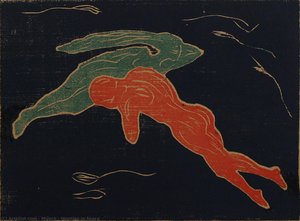
Pregledaj u prostoru

 Pošalji
 Podeli
 Detalji o delu
 Vodič


 Preuzmi
 Slični predmeti
 Rendgenski snimak
 Automatska prezentacija
 Pitanja i odgovori
 Statistika
Street


 Pročitaj više
Giclee štampa / Umetnički otisak
Giclée štampa ili print na platnu muzejskog kvaliteta uz brzu izradu i raznovrsne opcije završne obrade. ( Kupite ručno oslikano delo Pređi na digitalnu sliku)
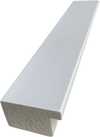
P118B дин10
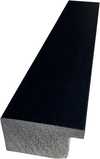
P118H дин10
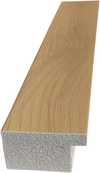
P118W дин10
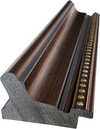
P438Z дин10
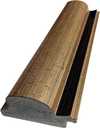
P508JH дин12
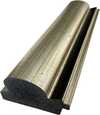
P508YH дин12
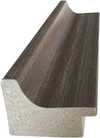
P805H дин10
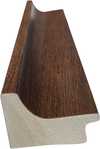
P805Z дин10
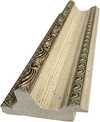
P919BZ дин10
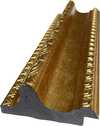
P919G дин10
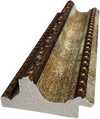
P919XJ дин10
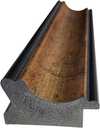
P959ZH дин10
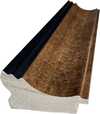
P968JZ дин12
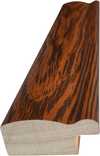
W106C дин8
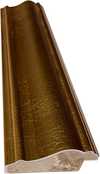
W218G дин10
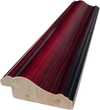
W218JH дин8
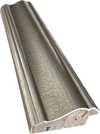
W218Y дин10
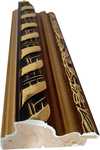
W307PJ дин10
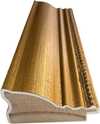
W316G дин10
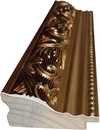
W316PJ дин8
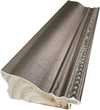
W316Y дин10
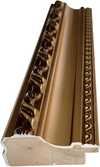
W398PJ дин8
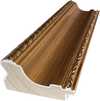
W4111J дин10
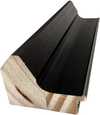
W500HY дин15
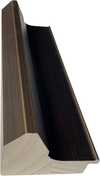
W500JH дин15
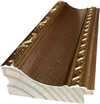
W692G дин12
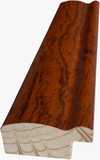
W849H дин8
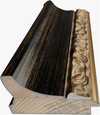
W940BG дин15
W953PJ дин8
Izaberite jednu od naših unapred definisanih veličina koje odgovaraju originalnim proporcijama umetničkog dela.

Unesite željenu širinu i visinu kako bi se štampa uklopila u vaš ram ili zid. Štampu je moguće samo iseći, ali nikada povećati iznad dimenzija originalne slike, stoga format sa drugačijim proporcijama uzrokuje gubitak dela slike. Pre početka štampe, poslaćemo vam digitalni prikaz radi potvrde. Slika prikazana na ovoj stranici ne predstavlja stvarni isrez — to pokazuje samo digitalni prikaz.
Dostava širom sveta () za 2 nedelje umesto uobičajenih 4/5 nedelja. (16 новембар)

Besplatna ekspresna dostava širom sveta

Visokokvalitetno laneno platno

Potpuno osiguranje transporta

Garancija povraćaja carine i uvoznih dažbina

Garancija vernosti boja

Politika povraćaja u roku od 100 dana (samo u slučaju nedostataka)

Garancija povrata 100% novca

Popust na više proizvoda
 Opcija sa staklom dostupna je samo za dimenzije manje od 110 cm

Street
Giclee štampa / Umetnički otisak
Dimenzije reprodukcije
-


Ukupna cena
дин 6802
A Shadowy Encounter: Decoding Munch’s “Street”
This striking black and white lithograph by Edvard Munch, created in 1902, offers a glimpse into a fraught urban scene – a moment suspended between attraction and coercion. Far removed from the serene landscapes often associated with Norwegian art, "Street" plunges us into a world of psychological tension and ambiguous relationships.Subject & Narrative
The composition centers around three figures: a man distinguished by his top hat and coat, a woman in a flowing dress, and another male figure mirroring the first in attire. The scene is crowded, almost claustrophobic, with bodies overlapping and interacting in close proximity. It’s not a narrative of clear action, but rather an *impression* of interaction – one that hints at a power imbalance and potential exploitation. Is this a seduction? A forced encounter? Munch deliberately leaves the story open-ended, inviting viewers to project their own interpretations onto the scene.Style & Technique
“Street” is powerfully executed in lithography, a technique that lends itself beautifully to Munch’s expressive style. The lines are heavily emphasized, creating a sketchy and almost frantic energy. Shapes are angular and simplified, eschewing detailed realism for emotional impact. This approach aligns with the burgeoning Expressionist movement, though it also bears traces of French Realism and caricature – particularly in its bold outlines and unflinching portrayal of modern life. The grainy texture inherent to lithography further enhances the sense of unease and immediacy. The lack of traditional shading contributes to a flattened perspective, intensifying the feeling of being trapped within the scene.Historical Context & Influences
Munch’s artistic development was deeply shaped by personal tragedy and intellectual currents of his time. Born in 1863, he experienced profound loss early in life – the deaths of his mother and sister from tuberculosis cast a long shadow over his work. He also absorbed the philosophical ideas of nihilism through figures like Hans Jæger, which encouraged him to explore inner turmoil rather than adhere to academic conventions. Parisian influences, particularly from artists like Gauguin and Van Gogh, are evident in Munch’s use of color (though absent here due to the monochrome palette) and his focus on subjective experience.Symbolism & Emotional Impact
Several symbolic elements contribute to the work's unsettling atmosphere. The top hats worn by the men could represent social status, authority, or even a deliberate attempt at disguise. The woman’s flowing dress suggests vulnerability and perhaps a loss of control. More broadly, the street itself can be interpreted as a metaphor for the anonymity and moral ambiguity of modern urban life. Ultimately, “Street” is not simply a depiction of an event; it's an exploration of *feeling*. It evokes anxiety, suspicion, and a sense of foreboding – emotions that resonate deeply with viewers even today. The work embodies Munch’s lifelong preoccupation with themes of mortality, sickness, and the darker aspects of human psychology. It is a testament to his ability to translate inner experience into a visually arresting and emotionally charged image.For Collectors & Designers
- A Powerful Statement Piece: “Street” offers a compelling focal point for any collection, particularly those focused on Expressionism or Symbolism.
- Versatile Aesthetic: The monochromatic palette and dynamic composition make this lithograph surprisingly versatile. It complements both modern and traditional interiors.
- Conversation Starter: Its ambiguous narrative invites discussion and interpretation, making it a captivating addition to any space.
- Historical Significance: Owning a reproduction of “Street” is owning a piece of art history – a window into the mind of one of the most influential artists of the 20th century.
Pitanja i odgovori
Da li su boje dela „Street”, autor Едвард Мунк živopisne ili prigušene?
Boje dela „Street”, autor Едвард Мунк odlikuju se Muted zasićenosti i Monochromatic intenzitetom.
Koja je tehnika korišćena za "Street" i kada je delo nastalo?
„Street“ je nastalo 1902. godine, u tehnici Lithograph.
Kolika je percepcija osvetljenosti dela „Street”, autor Едвард Мунк?
Percepcija osvetljenosti dela „Street”, autor Едвард Мунк iznosi brilliant. Može se prilagoditi svetlosti predviđenog prostora.
Srodna umetnička dela


Povezani članci

10 Iconic Lithographs That Revolutionized the Art World
Explore 10 iconic lithographs that redefined art history. Discover these timeless masterpieces on AllPaintingsStore.com.

Masterpieces of Anxiety: The Top 25 Edvard Munch Artworks
Journey through the raw emotion of Expressionism with our curated list of the top 25 Edvard Munch artworks. From 'The Scream' to his most haunting soul paintings, explore the stories behind these masterpieces and find museum-quality reproductions on AllPaintingsStore.com.