


 Pregledaj u prostoru
 Podeli
 Podeli
 Detalji
 Vodič
Vodič

 Preuzmi sliku
 Slični predmeti
 Rendgenski snimak
 Automatska prezentacija
 Statistika
Retable and side altars


 Pročitaj više
Giclee štampa / Umetnički otisak
Giclée štampa ili print na platnu muzejskog kvaliteta uz brzu izradu i raznovrsne opcije završne obrade. ( Naručite ručno oslikano reprodukciju Pređi na prodaju digitalnih slika)




P118B дин10

P118H дин10

P118W дин10

P438Z дин10

P508JH дин12

P508YH дин12

P805H дин10

P805Z дин10

P919BZ дин10

P919G дин10

P919XJ дин10

P959ZH дин10

P968JZ дин12

W106C дин8

W218G дин10

W218JH дин8

W218Y дин10

W307PJ дин10

W316G дин10

W316PJ дин8

W316Y дин10

W398PJ дин8

W4111J дин10

W500HY дин15

W500JH дин15

W692G дин12

W849H дин8

W940BG дин15

W953PJ дин8




Izaberite jednu od naših unapred definisanih veličina koje odgovaraju originalnim proporcijama umetničkog dela.

Unesite širinu i visinu koja vam je potrebna, kako bi se uklopili u vaš ram ili na vaš zid. Štampa se može samo iseći, nikada ne može biti veća od originalne slike, stoga format sa drugačijim proporcijama gubi deo slike. Poslaćemo vam digitalni prikaz radi potvrde pre nego što započnemo štampu. Slika prikazana na ovoj stranici ne pokazuje stvarni rez — to pokazuje samo digitalni prikaz.
Dostava širom sveta () za 2 nedelje umesto uobičajenih 4/5 nedelja. (27 октобар)

Besplatna ekspresna dostava širom sveta

Visokokvalitetno laneno platno

Sveobuhvatno osiguranje transporta

Garancija povraćaja carine i uvoznih dažbina

Garancija vernosti boja i autentičnosti pri reprodukciji

Politika povraćaja u roku od 100 dana (samo u slučaju nedostataka)

Garancija povrata 100% novca

Popust pri većoj količini
 Opcija sa staklom dostupna je samo za dimenzije manje od 110 cm

Retable and side altars
Giclee štampa / Umetnički otisak
Veličina reprodukcije
-


Ukupna cena
дин 6613
The Retable and Side Altars of El Greco – A Window into Faith and Fire
El Greco’s “Retable and Side Altars,” painted in 1577 for the Cistercian convent of Santo Domingo el Antiguo in Toledo, Spain, isn't merely a religious depiction; it’s a profound exploration of faith, emotion, and the burgeoning artistic spirit of the late Renaissance. Commissioned during a pivotal moment in El Greco’s career – his arrival in Spain after years spent honing his craft in Italy and Greece – this monumental altarpiece reveals a synthesis of influences, forging a uniquely powerful style that would resonate through art history. The work stands as a testament to El Greco's ability to imbue religious iconography with an intensely personal and dramatic sensibility, pushing beyond the established conventions of the time.
The core of the altarpiece centers around “The Assumption of the Virgin,” a breathtaking vision of Mary ascending into heaven. El Greco masterfully employs a dynamic composition, eschewing the static serenity often associated with religious art. Figures are elongated and distorted, their bodies contorted in expressions of anguish and ecstasy. The use of color is equally arresting – deep reds, blues, and ochres dominate, creating an atmosphere of heightened drama and spiritual intensity. The architectural setting, rendered with a subtle yet effective perspective, anchors the scene within the confines of Toledo’s Santo Domingo convent, grounding the divine in the earthly realm.
A Synthesis of Styles: Flemish Influence Meets Spanish Soul
El Greco's artistic journey is crucial to understanding this masterpiece. His early training in Crete exposed him to Byzantine iconography, characterized by its stylized figures and rich symbolism. However, his time in Italy, particularly Venice, introduced him to the innovations of the Renaissance – a fascination with perspective, naturalism, and the use of oil paint. Crucially, he was deeply influenced by Flemish artists like Jan van Eyck and Dirk Bouts, whose meticulous detail, dramatic lighting, and emotional intensity found their way into his work. This confluence of influences is most evident in the altarpiece’s composition, its use of chiaroscuro (the contrast between light and dark), and the expressive faces of its figures.
Yet, El Greco didn't simply mimic these styles; he transformed them, imbuing them with his own distinctive vision. The elongated figures, the heightened emotionalism, and the unsettling use of color are distinctly *El Greco*. He wasn’t interested in creating a purely realistic representation of religious subjects; instead, he sought to convey their spiritual essence through powerful visual metaphors.
Symbolism and Narrative: Unpacking the Layers of Meaning
The “Retable and Side Altars” is rich with symbolic detail. The figures themselves are not merely portraits but embodiments of theological concepts. The placement of saints, the gestures they make, and their expressions all contribute to a complex narrative that speaks to themes of faith, devotion, and salvation. Note, for example, the prominent role of Saint John the Evangelist in one of the side panels – a figure often associated with divine revelation and prophecy. The inclusion of classical elements, such as the architectural framework and the references to Roman mythology, further enriches the work’s symbolic landscape.
The choice of Toledo itself is significant. As a city steeped in religious history and a center of Spanish culture, it provided El Greco with a fertile ground for his artistic explorations. The depiction of the city's skyline, subtly integrated into the background, connects the divine realm to the everyday world.
Emotional Resonance: A Window into the Soul
Ultimately, “Retable and Side Altars” is a profoundly moving work of art. It’s not simply a depiction of religious events; it's an exploration of human emotion – faith, doubt, joy, sorrow, and ultimately, hope. The elongated figures, the dramatic lighting, and the intense colors all contribute to a sense of heightened emotional intensity. The viewer is drawn into the scene, invited to contemplate the mysteries of faith and the complexities of the human experience. It’s a testament to El Greco's ability to transform religious iconography into a powerful expression of the soul—a legacy that continues to captivate audiences centuries later.
Consider commissioning a high-quality reproduction to bring this extraordinary artwork into your home or office, allowing its evocative power and spiritual depth to enrich your surroundings.
Pitanja i odgovori
Pod kojim drugim imenima ili pseudonimima je Ел Греко poznat/a?
Ел Греко se pojavljuje i pod drugim imenima: Доменикос Теотокoпулос, Доминик Теотокoпулос, Дoменikos Teotokópoulos.
Koja boja dominira kompozicijom dela „Retable and side altars”, Ел Греко?
Quinacridone Magenta (#735d43) je dominantna boja dela „Retable and side altars”, Ел Греко.
Ko se raspoloženje i emocija spajaju u "Retable and side altars"?
U delu "Retable and side altars", Elegant raspoloženje prati Spiritual emocija.
Srodna umetnička dela


Biografija umetnika
Доменикос Теотокoполос, познат као Ел Греко: Живот изграђен вером и пламеном
Доменикос Теотокoполос, свету познатији као Ел Греко – „Грк“ – био је сликар чији живот и дело надмашују лаке категоризације. Рођен 1541. године на острву Крит, тада под влашћу Венеције, његово уметничко путовање га је одвело преко Венеције и Рима, да би свој највећи израз доживео у духовном срцу Шпаније: Толеду. Ел Греко није био само производ ових места; он је синтетизовао њихове утицаје у нешто сасвим јединствено, стил који је најављивао емоционалну интензивност експресионизма и фрагментиране облике кубизма вековима касније. Његов рани тренинг у византијској традицији усадио му је пажњу за детаље и дубоко разумевање религиозне иконографије. Ова основа, међутим, није га ограничила. Подносио је своја дела на грчком, често додајући „Krḗs“ – Критски – као поносан израз свог порекла, чак док се упуштао у нове уметничке територије. Семена његовог препознатљивог стила била су посејана не само у техници, већ и у жутој религијској клими своје домовине и богатом тесању венецијанске уметности.Од Венеције до Толеда: Трансформација
Прелазак у Венецију око 1567. године означио је преломни тренутак. Укључен у нагли уметнички поглед, Ел Греко је проучавао мајсторе – Тицијан, Тинторето, Веронезе – апсорбујући њихову способност боје, композиције и драматичног осветљења. Научио је да пусти свој четкицу, да пригрли сензуалност уљне боје и да прикаже фигуре са новом динамиком. Овај венецијански утицај видљив је у раним делима као што је *Свети Себастијан* (1600), где се анатомски детаљи беспрекорно мешају са готово позоришним коришћењем светлости и сенке. Наредна станица у Риму представила га је мањеризму, стилу карактерисаном дугачким облицима, изобличеним перспективама и софистицираним композицијама. Иако је показао значајан таленат, Ел Греко је имао потешкоћа да добије широку признавање у конкурентном римском свету уметности. Управо његов прелазак у Толедо 1577. године коначно је омогућио напретку његове јединствене визије. Град, тада средиште верске жуте током Контрареформације, пружио је и покровитељство и атмосферу повољну за његову интензивно религиозну слику.Стил без премца
Уметнички стил Ел Грека одмах се препознаје – и сасвим задивљује. Његове фигуре су често драматично издужене, тела истегнута и искривљена у позе које преносе осећај духовне ектaзе или дубоке патње. Ово није једноставно стилско лудило; то је покушај да се прикаже непознато, емоционална и духовна реалност која лежи изван површине ствари. Мајсторски је користио боју – не нужно реалистичну боју, већ живе, често неуобичајене нијансе – како би појачао емотивни утисак свог рада. Драматично осветљење, са оштрим контрастом између светлости и сенке, ствара позоришни ефекат, увлачећи посматрача у срце сцене. *Полагање грофа од Оргаза* (1586-1588), сматра се његовим мајсторским делом, савршено илуструје ове особине. Слика приказује чудесни догађај – силазак светих да сахране благочестивог племића – са изузетном реалистичношћу у приказу савремених фигура поред етеричних, издужених облика који представљају божанску интервенцију. Он је спојио византијске традиције са техникама ренесансе, стварајући стил који је био иновативан и дубоко личан. Његова каснија дела постала су све мистичнија, одражавајући његове сопствене дубоке верске убеђења и растуће дистанцирање од уобичајених уметничких норми.Заоставштина и поновно откривање
Упркос значајном успеху који је постигао током свог живота – добијајући важне поруџбине од цркава и манастира у Толеду – рад Ел Грека пао је у релативну заборав након његове смрти 1614. године. Вековима је био углавном преглеђен од стране историчара уметности, одбачен као ексцентричан или провинцијски уметник. Једва је у 20. веку почела да се цени његова генијалност. Уметници попут Пикаса и Брака препознали су га као претечу модерне уметности, посебно кубизма, дивећи му се изобличеним облицима и неуобичајеним перспективама. Његов експресионистички стил резоновао је са експресионистима који су тражили да пренесу емоционалну интензивност смелим бојама и драматичним композицијама. Данас се Ел Греко слави као једна од најважнијих фигура у западном свету уметности – визионарски сликар чије дело наставља да задивљује публику својом духовном дубином, емотивном моћи и јединственом уметничком визијом. Његове слике нису само репрезентације религиозних сцена; они су прозори у душу, сведочанства о трајној моћи вере и прославе способности човечког духа за надраштавање.Истакнути радови
- Полагање грофа од Оргаза (1586-1588): Његово неспорно мајсторско дело, монументално дело које спојава реализам и духовну интензивност.
- Пут до Толеда (1596-1600): Драматичан пејзаж који приказује град у вртложачном, атмосферском стилу, хватајући његову суштину са готово визионарском квалитетом.
- Отварање петтег печата (1608-1614): Део серије инспирисане Књигом Откривања, ова слика илуструје Ел Грекову апокалиптичну визију и његову способност драматичне композиције.
- Свети Себастијан (1600): Моћна представа свеца, која комбинује анатомске детаље са позоришним осветљењем и емоционалном интензивношћу.
- Есполио (Основни део Христа) (1577-1579): Рано дело које приказује његове венецијанске утицаје и драматичну употребу боја и светлости.
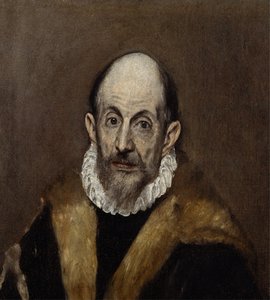
Ел Греко
1541 - 1614 , Grčka
Brzi pregled
- Datum Rođenja: 1 oktobar 1541.
- Datum Smrti: 7 april 1614.
- Mesto Rođenja: Krita, Grčka
- Nacionalnost: Grk-Španski
- Pokreti Pod Uticajem:
- Ekspresionizam
- Kubizam
- Puno Ime: Domenikos Teotokópoulos
- Umetnički Pokret: Manirizam, Barok
- Uticajni Umetnici:
- Titian
- Tintoretto
- Značajna Dela:
- Sahranjivanje grofa Orgaza
- Pogled na Toledo
- El Espolio
- Sveti Sebastijan
Srodni članci

The Golden Age Reforged: Dramatic Realism & Religious Zeal in Spanish Baroque Art
Explore the dramatic world of Spanish Baroque art! Discover masters like Zurbarán & the powerful influence of religious zeal on painting techniques – a guide for collectors and enthusiasts.
El Greco: 25 Remek-dela koji definišu Viziju i Duh (Reprodukcije za vaš Dom)
Istražite 25 remek-dela El Greka! Otkrijte priče iza njegovih ikoničnih slika, baroknog stila i duboke spiritualnosti. Reprodukcije vrhunskog kvaliteta za vaš dom na AllPaintingsStore.com.

El Greco: Spirituality, Style & Innovation – A Renaissance Master's Legacy
Explore the captivating world of El Greco! Discover his unique style, spiritual intensity, and lasting impact on art history. Learn about this Renaissance master's life, iconic paintings & legacy.

The Dramatic Flourish: Exploring the Baroque Movement's Enduring Legacy in Art History
Explore the dramatic world of Baroque art! Discover iconic artists like Caravaggio & Rubens, defining techniques, and its lasting impact on art history. Expert insights for collectors & enthusiasts at AllPaintingsStore.
Top 25 Remek-dela Prado Muzeja: Umetnička Baština Španije za Vaš Dom
Istražite 25 remek-dela Prado muzeja u Madridu! Otkrijte priče iza Velázqueza, Goye i El Greca. Pronađite inspiraciju za dekoraciju enterijera uz reprodukcije slika vrhunskog kvaliteta na AllPaintingsStore.com.


