


 Pregledaj u prostoru
 Pošalji
 Podeli
 Detalji o delu
 Vodič
Vodič

 Preuzmi
 Slični predmeti
 Rendgenski snimak
 Automatska prezentacija
 Pitanja i odgovori
 Statistika
Basic Calculus


 Pročitaj više
Nabavite datoteku spremnu za štampu koja nudi znatno veći kvalitet od onlajn pregleda. Svaka digitalna slika koju nudimo potiče iz visokorezolucičnog master fajla iz naše baze — obično širine od 5.000 do 15.000 piksela — što vam omogućava štampu u velikom formatu, precizno kadriranje ili bezbrižnu reprodukciju najfinijih detalja.
Nijedan fajl ne napušta naš studio netaknut. Digitalni stručnjak vrši proveru boja u odnosu na originalno delo i koriguje ih po potrebi, a zatim unapređuje jasnoću i detalje pomoću profesionalnih alata za retuširanje — uvek ostajući veran umetnikovim potezima četkice i stilu. Rezultat je slika koja izgleda kao pravo delo, a ne kao sken sa filterom.
Proverite i odobrite pre završetka: naš stručnjak vam šalje sliku putem e-pošte u roku od 72 sata na pregled. Niste zadovoljni? Zatražite poboljšanja ili ispravke, ili tražite povraćaj novca ukoliko kvalitet ne ispunjava vaša očekivanja.
Ovo je kvalitet kojem poverenje ukazuju izdavači, dizajnerski studiji, galerije i štamparije.
Digitalna slika
Preuzmite datoteku visoke rezolucije za ličnu upotrebu, štampanje i kreativne projekte. ( Pređi na štampu Kupite ručno oslikano delo)
Uključeno uz svaku porudžbinu digitalne slike
Profesionalna digitalna isporuka, zagarantovana
Kada odaberete AllPaintingsStore.com, ne dobijate samo sliku – vi primate profesionalno unapređeno digitalno umetničko delo, izrađeno sa najvećom preciznošću i uz garanciju zadovoljstva. Evo svega što automatski dolazi uz vašu porudžbinu:

Brza dostava putem e-pošte
Vaša digitalna slika visoke rezolucije biće vam poslata putem e-pošte u roku od 72 sata od poručivanja – spremna za trenutnu upotrebu.

Digitalna datoteka unapređena veštačkom inteligencijom
Vaše umetničko delo je profesionalno optimizovano primenom naprednih AI alata i ručne obrade, čime se osiguravaju maksimalni detalji, oštrina i preciznost boja.

Besplatna doživotna ponovna isporuka
Slučajno ste obrisali ili izgubili svoju datoteku? Ne brinite – poslaćemo vam je ponovo u bilo kom trenutku, potpuno besplatno.

Bez troškova uvoza – zauvek
Uživajte u svojim umetničkim delima trenutno, bez carine, akciza ili troškova dostave – digitalni download je uvek bez poreza.

Garancija preciznosti boja
Uz pomoć profesionalnih alata i upravljanja bojama, osiguravamo da vaša digitalna slika što vernije odražava originalne boje.

Garancija zadovoljstva u roku od 100 dana
Ako niste zadovoljni svojom digitalnom slikom, izvršićemo reviziju ili ćemo vam vratiti 100% novca u roku od 100 dana – bez ikakvih pitanja.

100% garancija povrata novca
Niste zadovoljni? Dobijte puni povraćaj novca u roku od 100 dana od prijema digitalne datoteke – bez suvišnih pitanja.

Popusti na velike porudžbine
Kupite 3 slike, uštedite 10% - Kupite 5 slika, uštedite 15% - Kupite 10+ slika, uštedite 20%. Odlično za kreativne projekte, galerije i agencije.
The Geometry of Thought: Exploring El Lissitzky's "Basic Calculus"
To stand before El Lissitzky’s Basic Calculus is not merely to observe paint on canvas; it is to step into the very engine room of modern thought. Created in 1928, this work pulses with the intellectual fervor and revolutionary energy of the Russian avant-garde. The composition eschews traditional pictorial space for a dynamic interplay of pure form—bold, arresting red letters that seem suspended, falling, or perhaps ascending according to an unseen mathematical principle. Lissitzky, ever the visionary architect of ideas, uses these typographic elements not just as decoration, but as structural components in a visual equation, inviting the viewer into a dialogue between art and intellect.
Constructivism and the Language of Red
The style is unmistakably Constructivist, a movement that believed art must serve a practical, social function. Here, the letters—the very building blocks of language—are elevated to monumental status. The choice of vibrant red against what we can imagine as a stark background is nothing by accident; it is a declaration. Red, in this historical context, was the color of revolution, of urgent action, and of vital energy. Lissitzky masterfully manipulates scale and arrangement, creating an illusion of depth that pulls the eye across the canvas, suggesting movement through pure graphic force. It speaks to a time when art felt inseparable from societal upheaval, demanding clarity and structure.
Symbolism in Form and Letter
What does "Basic Calculus" truly represent? Beyond its literal title, the piece functions as a profound meditation on knowledge itself. The letters are abstract symbols, stripped of their narrative context to reveal their pure formal potential. They suggest systems—the underlying rules that govern physics, mathematics, or even human behavior. For the collector or designer, this translates into an object of potent symbolism: it is a conversation starter for those who appreciate intellectual rigor and modernist purity. It suggests that beauty can be found not in representation, but in relationship.
Bringing Avant-Garde Energy Home
For those looking to infuse a space with the electrifying spirit of the early 20th century, this reproduction offers an unparalleled opportunity. The bold graphic impact of Basic Calculus transcends mere decoration; it acts as an anchor point for sophisticated interior design schemes that favor clean lines and intellectual depth. Whether placed above a minimalist console or serving as a dramatic focal piece in a modern gallery setting, its inherent dynamism ensures that the artwork remains perpetually engaging. It is a wearable piece of history, allowing the viewer to connect with the revolutionary spirit of Lissitzky’s genius.
Pitanja i odgovori
Da li je Ел Лисицки, autor dela "Basic Calculus", poznat/a i pod drugim imenima?
Ostala imena zabeležena za Ел Лисицки, autora dela "Basic Calculus", uključuju Эль Лисицкий.
Koja veličina printa za „Basic Calculus”, autor Ел Лисицки najbolje odgovara preporučenoj prostoriji?
Za prostoriju kao što je Living Room, za delo "Basic Calculus" preporučujemo štampu u veličini od Large.
U kom delu doma bi se reprodukcija dela "Basic Calculus" lepo uklopila?
Reprodukcija dela "Basic Calculus" odlično se uklapa u Living Room.
Srodna umetnička dela


Biografija umetnika
Život i umetnost Ел Лисицки
Rođen kao Lazar Markovič Lisicki 23. novembra 1890. godine, čovek koji će postati poznat kao Ел Лисицки, ušao je u svet tihe tradicije u Počinku. Ova mala jevrejska zajednica nalazila se oko 50 kilometara jugoistočno od Smolenska u Ruskom carstvu. Njegov otac, Morduh Zalmanovič Lisicki, bio je čovek slova i putovanja, dobro obrazovan agent koji je svetom koračao uz potpunu vladavinu engleskog i nemačkog jezika. Ta lingvistička širina i porodične veze sa širim evropskim pejzažom vremenom će odraziti prostranu, nemirnu energiju samog umetnika. Bilo da se zvao Elizar Lisicki ili Lasar Markovič Lisicki, bio je to lik neopisive raznolikosti, koji je odbijao da bude ograničen na samo jedan medij ili jednu jedinu svrhu.
Njegov kreativni izlazak bio je prostran i nemiran. Bio je slikar i ilustrator, ali je radio i kao dizajner, litograf i fotograf. Njegov um težio je ka strukturi, vodeći ga u domene arhitekture i preciznih zahteva tipografije. Bio je čovek nove ere, ruski i sovjetski umetnik koji je težio da iz apstraktnih ideja svog vremena izgradi nešto opipljivo. Njegov život bio je neprestani pokret između uloga intelektualnog istraživača i praktičnog zanatlije, dualnost koja je definisala njegov brojne doprinose vizuelnom jeziku dvadesetog veka.
- Reminiscence of Ravenna
- Flying Sun
- The Fire Came and Burnt the Stick
- The Cat Came and Devoured the Kid
- The Ox Came and Drank the Water
Rani život, porodica i obrazovanje
Temelji njegovog života postavljeni su u malom ruskom mestu Počinok, ali rane godine obilježila je neprekidna kretanja. Između 1891. i 1898. godine, njegova porodica boravila je u Vitebsku, mestu koje će kasnije duboko uticati na njegovo razumevanje kulturnog identiteta. Do 1899. godine preselio se u Smolensk kako bi živeo sa svojim grandfatherom, gde je pohađao Prvu gradsku školu. Upravo tokom tih formativnih godina, njegov urođeni talenat prvi put je sreo formalno vođstvo; sa samo 13 godina, počeo je da prima poduku od Jurija Pena, učitelja koji je u mladom učeniku prepoznao ogroman potencijal.
Ambicija se često suočava sa otporom rigidnih sistema. Godine 1909. pokušao je da upadne u Lenjingradsku akademiju umetnosti, ali je njegova prijava odbijena. Ovo odbijanje je verovatno bilo posledica restriktivnih kvota za jevrejske studente koje je nametao carska režim, barijera koja je njegov put skrenula sa ustaljenih ruskih akademija. Umesto da se pokle kne na ovaj neuspeh, on je svoj pogled okrenuo ka Nemačkoj. Upisao je Politehnički institut u Darmstadtu na smer građevinskog inženjeringa, disciplinu koja će zauvek dati strukturnu logiku njegovim kasnijim vizuelnim eksperimentima. Tamo je proveo pet godina, radeći kao zidari kako bi se izdržao, dok je tokom odmora obilazio lokalna jevrejska istorijska mesta kako bi proučavao njihove forme i dekoracije.
Njegov boravak u Nemačkoj definisan je akademskom rigoroznošću i dubokim angažovanjem u fizički svet. On nije proučavao samo teoriju; potpuno se urubio u praktične aspekte izgradnje i dizajna. Ovaj period intenzivnog obezbeđivanja znanja završen je 1914. godine, kada je diplomirao sa pohvalom na Politehničkom institutu u Darmstadtu. Vratio se u Rusiju ne samo kao student umetnosti, već kao obučeni inženjer, noseći sa sobom precizno razumevanje prostora i strukture koje će na kraju redefinisati granice modernog dizajna.
Suprematistički period i Unovis
Tok kreativnog života Ел Лисицки фундаментално se promenio onog trenutka kada je susreo Kazimira Maljiča. Taj susret privukao ga je u orbitu Suprematizma, pokreta koji je težio da ogoli umetnost od svih reprezentativnih okova i tereta stvarnosti. Godine 1919. stigao je poziv od Marka Čagala, koji ga je pozvao da se pridruži profesorskom timu Narodne umetničke škole u Vitebsku. Upravo u tom obrazovnom okruženju on postaje član suprematističke grupe UNovis, poznate kao „Potvrđivači nove umetnosti“. On nije samo pratio utabane puteve svojih kolega; naprotiv, nastojao je da proširi same granice onoga što geometrijske forme mogu postići.
Počeo je da razvija autentičan serijal dela koje je nazvao Proun, termin izveden iz ruske fraze proyekt utverzhdenya novogo, što znači projekat za potvrđivanje novog. To nisu bila puka platna, već duboka istraživanja načina na koji se prostor i forma međusobno prepliću i komuniciraju. Svoj prvi Proun realizovao je 1919. godine, što je označilo početak ere u kojoj je spajao principe grafičke umetnosti sa arhitektonskom mišlju. Njegov rad tokom tih godina odmakao se od ravnih plose čistog apstraktizma ka složenijem, trodimenzionalnom razumevanju sveta koji nas okružuje.
Konstruktivizam i društveni angažman
Do 1920. godine, Ел Лисицки je prevazišao čisto duhovna istraživanja svojih ranih godina kako bi zagrlabio strukturiranu, svrsishodnu energiju konstruktivizma. Težio je tome da umetnika transformiše iz usamljenog sanjara u aktivnog agenta promene, koncept koji je interpretirao kao das zielbewußte Schaffen, odnosno stvaranje orijentisano ka cilju. Ovo uverenje odveo ga je u samo srce sovjetskog obrazovnog sistema, gde je predavao u tehničkoj školi Vhutemas, radeći rame uz rame sa Vladimirom Tatlinom. Ovde se fokus pomerio na to kako umetnost može funkcionisati unutar modernog, industrijskog društva, napuštajući platno i ulazeći u sferu praktične, društvene korisnosti.
Njegov rad postao je duboko isprepleten sa političkim pulsom tog doba. Posvetio je veliku deo svoje energije dizajniranju izložbenih postavki i propagandskim delima koja su nastojala da prenesu ideale nove države. U jednom upečatljivom slučaju, proizveo je poster 1941. godine koji je pozivao narod na izgradnju više tenkova za borbu protiv nacističke Nemačke. Čak i u njegovim ranijim, apstraktnijim kompozicijama, politički podtekst je često bio jasan. Njegovo delo iz 1920. godine, Pobedi bele crvenim klinom, koristilo je oštre geometrijske oblike kako bi se suožilo sa tenzijama tog vremena, nudeći vizuelnu igru sa antisemitskim sloganom u svrhu podrške revolucionarnom cilju.
- Pobedi bele crvenim klinom (1920)
- Sovjetski propagandni poster za izgradnju tenkova (1941)
Tehnika i stil
Ruka Ел Лисицки kretala se između inženjerske preciznosti i slikarske intuicije. Težio je ka premošćavanju jaza između fizičkog sveta i apstrakcije, često istražujući na koji način se tehnologija i ljudsko iskustvo mogu preklopiti kroz vizuelni oblik. To je bilo najočiglednije u njegovim Proun radovima, koji su funkcionisali kao složena fuzija grafičke umetnosti, arhitektonskih formi, fotografije i slikarstva. Ove kompozicije nisu bile puke statične slike, već duboka istraživanja prostora i strukture. Često je koristio litografiju kako bi postigao željene efekte, tehniku koja je omogućavala izdržljive printove i širok spektar tonalnih varijacija, dajući njegovim geometrijskim oblicima osećaj dubine i težine.
Njegov pristup dizajnu obeležilo je nemirno eksperimentisanje sa proizvodnim tehnikama i stilskim sredstvima koja će na kraju definisati vizuelni jezik 20. veka. Uneo je oštro, inovativno oko u tipografiju, dizajn knjige i fotomontažu, tretirajući štampanu stranicu kao prostor za arhitektonsku konstrukciju. Čak i kada je prihvatao radikalne geometrije avangarde, njegov rad je ostao tiho vezan za njegove korene, inkorporirajući elemente tradicionalne jevrejske tipografije, umetnosti i arhitekture u svoje moderne kompozicije. Ova mešavina drevnog i industrijskog omogućila mu je da navigira kroz napetost između kulturne memorije i ubrzanog tempa društvenih promena.
- The Constructor (1924)
- Merz' Magazine Layout (1924)
- Iron in clouds', for Strastnoy Boulevard (1925)
Međunarodna aktivnost i kulturna razmena
Granice ruske avantgarde nisu mogle da zadrže njegov nemirni duh. Između 1921. i 1925. godine, он je putovao kroz samo srce Evrope, lutajući kroz Pariz, Belgiju, Italiju i Švajcarsku. Tokom ovih godina provedenih u inostranstvu, on je delovao kao kulturni ambasador Veimarske republike, prenoseći radikalne ideje svoje domovine na Zapad. On nije samo posmatrao ove strane pejzaže; on je aktivno oblikovao njihov vizuelni diskurs doprinosivši umetničkim časopisima i izdavanjem knjiga koje su prkosile tradicionalnim načinima posmatranja. Njegovo prisustvo u ovim centrima misli osiguralo je da se energija revolucije oseti daleko izvan granica Sovjetskog Saveza.
Njegov rad u Berlinu bio je posebno značajan. Godine 1922. dizajnirao je izložbu konstruktivista u galeriji Galerie van Diemen, poduhvat koji je strukturalnu logiku njegovog pokreta predstavio potpuno novoj publici. Ovaj period intenzivnog razmene obeležen je saradnjama koje su povezivale različite umetničke krugove. Godine 1924. sarađivao je sa Kurtom Šviterom na periodiku Merz, partnerstvu koje je spojilo različite pristupe grafičkom dizajnu i kompoziciji. Kroz ove veze, njegov uticaj je počeo da putuje još dalje. Upoznao je Lasla Mohoj-Nadjija, što se pokazalo kao od sudbonosnog značaja, jer je Mohoj-Naji pomogao u širenju njegovih koncepata širom zapadne Evrope, pa čak i u Sjedinjene Američke Države, osiguravši da njegove ideje duboko zakorenite u tada rastućem modernizmu Zapada.
Kasne godine i smrt
Poslednje godine života koje je proživao Ел Лисицки obeležene su teškim senkama globalnog sukoba i ličnom krhkosti. Dok je svet ponovo ponosio u haos rata, njegov fokus ostao je neraskidivo vezan za društvene i političke realnosti njegovog vremena. Čak i kada mu je zdravlje počelo da otkazuje, nastavio je da stvara dela koja su odgovarala neposrednim potrebama države. Godine 1941. stvorio je sovjetski propagandni poster koji je pozivao na izgradnju novih tenkova kako bi se suprotstojčilo nacističkoj invaziji na Rusiju. Ovaj poslednji napor odražavao je njegovu posvećenost praktičnoj primeni umetnosti, čak i u trenutku kada su same strukture društva, koje je on pokušavao da preoblikuje, bile pod pretnjom rata.
Borba protiv bolesti na kraju je odnela svoj danak. Ел Лисицки je preminuo od tuberkuloze u Moskvi 30. decembra 1941. godine. U trenutku smrti imao je 51 godinu. Njegov odlazak dogodio se ubrzo nakon invazije na njegovu zemlju, u periodu ogromnih potresa koji se poklopio sa završetkom njegovog kreativnog rada. Za sobom je ostavio nasleđe dizajna i apstrakcije koje je već prešlo brojne granice, ali je njegov sopstveni život prekinut na raskrsnici bioloških i istorijskih sila.
Nasleđe i trajni uticaj
Talasi njegove kreativne energije protegli su daleko izvan granica Sovjetskog Saveza, dotičući same temelje Bauhausa i konstrukktivističkih pokreta. On nije samo slikao; on je ponovo osmislio način na koji ljudi komuniciraju sa prostorom koji ih okružuje i sa porukama koje konzumiraju. Njegova eksperimentisanja sa tipografijom i oglašavanjem transformisala su način na koji se informacije strukturiraju, pretvarajući štampanu stranicu u dinamično polje sila. Kroz svoje dizajne izložbi, podučavao je posmatrače da okruženje može biti strukturirano iskustvo, a ne samo statična prostorija ispunjena predmetima.
Ova vizija umetnosti kao alata za društvenu i vizuelnu transformaciju nastavlja da oblikuje naše savremeno razumevanje komunikacije. Njegova sposobnost da premosti jaz između apstraktnog i funkcionalnog ostavila je nacrt generacijama dizajnera. Kako bi se osiguralo da ova istorija ostane netaknuta, 2014. godine osnovan je Fondacija Лисицки (Lissitzky Foundation) od strane umetnikovih naslednika, muzeja Van Abbemuseum i raznih naučnika. Ovaj napor čuva njegovu složenu istoriju i osigurava da njegova istraživanja forme i prostora ostanu dostupna svima koji proučavaju evoluciju modernog dizajna.
Gde danas možete posetiti njegova dela
Fizički tragovi njegove vizije rasuti su na više kontinenata, čuvani u institucijama koje su nastojale da sačuvaju radikalnu energiju početka dvadesetog veka. U Lisabonu, Museu Coleção Berardo poseduje značajan broj njegovih radova, čuvajući šest njegovih dela. Preko Atlantika, kolekcije u Njujorku nude dva različita načina susreta sa njegovim nasleđem; Museum of Modern Art čuva dva komada, dok The Jewish Museum sadrži pet. Ova dela omogućavaju posmatraču da kroz kontekst vodećih međunarodnih kolekcija uoči evoluciju njegovog grafičkog i apstraktnog jezika.
Njegov uticaj ostaje snažno ukorenjen i u Evropi i u Rusiji. Museum Folkwang u Esenu čuva jedno delo, tihi podsetnik na njegov domet u nemačkom umetničkom pejzažu. U Rusiji, prisustvo Ел Лисицки oseća se u Taganrog Art Museum i Novokuznetsk Art Museum, gde se čuvaju njegovi doprinosi avangardi. Ovi razni rizervuari osiguravaju da njegovi eksperimenti sa prostorom i formom i dalje istražuju oni koji prate istoriju modernog dizajna.
- Reminiscence of Ravenna (1914)
- The Fire Came and Burnt the Stick (1919)
- The Cat Came and Devoured the Kid (1919)
- The Ox Came and Drank the Water (1919)
- The Stick Came and Beat the Dog (1919)
- Father Bought a Kid for Two Zuzim (1919)
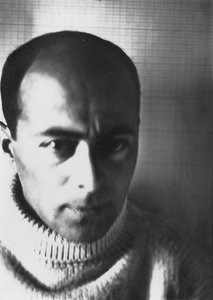
Ел Лисицки
1890 - 1941 , Русија
Kratke informacije
- Artistic Movement Or Style:
- Suprematizam
- Konstruktivizam
- Proun
- Artists Or Movements Influenced By This Artist:
- Bauhaus
- De Stijl
- Artists Who Influenced This Artist: ['Kazimir Malevič']
- Date Of Birth: 1890
- Date Of Death: 1941
- Full Name: Lazar Markovič Lisicki
- Nationality: Ruski i sovjetski
- Notable Artworks:
- Sećanje na Ravenu
- Letuće sunce
- Pobedi bele crvenim klinom
- Konstruktor
- Place Of Birth: Pohinki, Rusija