


 Pregledaj u prostoru
 Podeli
 Podeli
 Detalji
 Vodič
Vodič

 Preuzmi sliku
 Slični predmeti
 Rendgenski snimak
 Automatska prezentacija
 Statistika
Coffee Table


 Pročitaj više
Ručno rađena uljana reprodukcija
Ručno oslikano uljanim bojama na platnu u dimenzijama i okviru po vašem izboru, izrađeno po porudžbini od strane naših umetnika. ( Pređi na prodaju štampanih primeraka Pređi na prodaju digitalnih slika)




P118B дин10

P118H дин10

P118W дин10

P438Z дин10

P508JH дин12

P508YH дин12

P805H дин10

P805Z дин10

P919BZ дин10

P919G дин10

P919XJ дин10

P959ZH дин10

P968JZ дин12

W106C дин8

W218G дин10

W218JH дин8

W218Y дин10

W307PJ дин10

W316G дин10

W316PJ дин8

W316Y дин10

W398PJ дин8

W4111J дин10

W500HY дин15

W500JH дин15

W692G дин12

W849H дин8

W940BG дин15

W953PJ дин8




Izaberite jednu od naših unapred definisanih veličina koje odgovaraju originalnim proporcijama umetničkog dela.

Unesite širinu i visinu koja vam je potrebna, kako bi se uklopili u vaš ram ili zid. Pošto je ovo ručno oslikano delo, umetnik može naslikati malo više prostora oko slike ili malo skratiti ivice za dimenzije drugačijeg oblika — izbor je na vama. Pre početka rada, poslaćemo vam digitalni prikaz radi potvrde. Slika prikazana na ovoj stranici ne predstavlja konačan rezultat — samo digitalni prikaz pokazuje stvarnu sliku.
Nakon narudžbine, tim AllPaintingsStore.com će klijentu putem e-pošte poslati uputstva i dostaviti prikaz predloženog rešenja
Svetska isporuka () za 3/4 nedelje umesto uobičajenih 5 nedelja. (24 октобар). Bez kompromisa po pitanju kvaliteta.

Besplatna ekspresna dostava širom sveta

Visokokvalitetno laneno platno

Sveobuhvatno osiguranje transporta

Garancija povraćaja carine i uvoznih dažbina

Garancija vernosti boja i autentičnosti pri reprodukciji

Politika povraćaja u roku od 100 dana (samo u slučaju nedostataka)

Garancija povrata 100% novca

Popust pri većoj količini
 Opcija sa staklom dostupna je samo za dimenzije manje od 110 cm

Coffee Table
Tehnika izrade reprodukcije
Veličina reprodukcije
-


Ukupna cena
дин 26599
A Moment Frozen in Expressionist Color
Ernst Ludwig Kirchner’s “Coffee Table” is far more than a mere depiction of an interior scene; it is a distilled essence of the anxieties and profound complexities inherent in German Expressionism. Painted circa 1923, during a pivotal period when Kirchner had relocated to Davos alongside his wife, Erna Schilling, the artwork captures a snapshot of daily life infused with deep psychological resonance. The painting invites us into a modest restaurant setting, where a dining table is occupied by six individuals—including the artist himself and his wife—whose identities remain deliberately obscured. This ambiguity fosters a sense of quiet contemplation, allowing the viewer to peer into the unspoken dialogues and inner lives of these figures as they exist within a shared, yet deeply personal, moment.
The composition unfolds with a meticulous eye for detail that balances domestic intimacy with artistic tension. One can almost feel the weight of the atmosphere through the rendering of cups brimming with drink, plates laden with food, and cutlery arranged with purposeful precision. Yet, Kirchner’s true focus lies not in these tangible objects, but in the human presence itself. The figures are positioned in close proximity, their arrangement conveying a sense of closeness that is simultaneously interrupted by an underlying tension. This duality makes the piece particularly captivating for collectors who appreciate art that offers both aesthetic beauty and intellectual depth.
The Vibrancy of Technique and Style
Kirchner’s signature Expressionist style dominates every inch of the canvas, creating a textured surface that seems to vibrate with its own internal energy. His use of bold, rhythmic brushstrokes is characteristic of the movement, rejecting the polished perfection of academic idealism in favor of a raw, emotive truth. The color palette is masterfully balanced; while it favors earthy, grounded tones, these are punctuated by sudden, brilliant splashes of vibrant reds and yellows. This deliberate use of color mirrors the emotional intensity of the scene, transforming a simple meal into a luminous event that commands attention.
For interior designers and lovers of fine art, the technical brilliance of this piece offers incredible versatility. The painting’s ability to harmonize muted, sophisticated tones with energetic highlights allows it to serve as a powerful focal point in a variety of modern settings. Whether placed in a minimalist gallery-style room or a more textured, eclectic space, a high-quality reproduction of “Coffee Table” brings a sense of historical gravity and artistic vitality to any wall.
Historical Resonance and Symbolic Depth
To understand the emotional impact of this work, one must look toward the historical context of post-World War I Germany. The era was defined by a pervasive sense of disillusionment and a search for meaning amidst reconstruction. Kirchner and his contemporaries sought to confront uncomfortable truths about the human experience, using art as a vessel for expressing inner turmoil. Within this piece, the inclusion of a carved bench frame bearing a figural relief of a mother and child serves as a poignant symbol of maternal care and stability amidst the pervasive anxieties of the time. This motif aligns perfectly with the broader Expressionist exploration of familial bonds and the vulnerability of life.
Ultimately, “Coffee Table” is an invitation to join the conversation. It captures a moment of intimate familiarity and serene tranquility that, despite its underlying tension, remains profoundly inviting. For those seeking to adorn their homes with a piece that speaks of history, emotion, and the enduring beauty of the human spirit, this masterpiece stands as a timeless choice. Owning a reproduction of such a significant work allows one to bring a fragment of the German Expressionist soul into the contemporary living space, fostering an environment of constant inspiration and reflection.
Pitanja i odgovori
Da li su boje dela "Coffee Table" jake ili nežne?
Boje u delu „Coffee Table”, Ерnst Лудвиг Киршнер imaju Vivid intenzitet.
Da li je "Coffee Table" u celini svetlija ili tamnija?
Zabeležene vrednosti za „Coffee Table”, Ерnst Лудвиг Киршнер su: osvetljenost bright, luminansa Gentle Luminance.
Kolika je zasićenost i intenzitet koji prikazuje „Coffee Table”, Ерnst Лудвиг Киршнер?
Boje dela „Coffee Table”, Ерnst Лудвиг Киршнер pokazuju Balanced Soft zasićenost uz Vivid intenzitet.
Srodna umetnička dela


Biografija umetnika
Ernst Ludwig Kirchner (1880-1938): A Life Forged in Expression
Ernst Ludwig Kirchner, a name inextricably linked to the visceral heart of German Expressionism, wasn’t merely an artist; he was a conduit for anxieties simmering beneath the surface of early 20th-century Europe. Born into Bavaria's quiet countryside in 1880, his formative years instilled within him a profound awareness of displacement—a feeling that would become a cornerstone of his artistic vision. From Frankfurt’s bustling streets to Perlen’s serene lakes and finally settling in Chemnitz, Kirchner absorbed the accelerating pace of modernity, grappling with its promises and perils. Initially pursuing architecture at Dresden University, he swiftly recognized painting as his true calling – driven by an admiration for masters like Albrecht Dürer and a rebellious rejection of academic conventions. He found solace and camaraderie amongst fellow artists—Fritz Bleyl, Karl Schmidt-Rottluff, Erich Heckel—forming bonds that would propel them to forge a revolutionary artistic movement.The Genesis of Die Brücke: Seeking Authenticity Amidst Change
Kirchner’s artistic journey gained momentum in 1905 with the founding of *Die Brücke* (“The Bridge”), an artistic collective determined to transcend prevailing aesthetic norms and embrace raw emotional expression. This wasn't simply stylistic ambition; it was a philosophical crusade. The group drew inspiration from sources often dismissed by mainstream art circles—primitive art from Africa and Oceania, the turbulent hues of Vincent van Gogh, and Edvard Munch’s haunting explorations of psychological torment. Rejecting idealized beauty championed by academic painting, *Die Brücke* artists deliberately distorted forms, employed jarring color palettes, and utilized expressive brushwork to convey the pervasive anxieties surrounding urbanization and societal transformation. Kirchner's early canvases pulsed with restless energy—a reflection of the collective’s shared conviction that art could confront uncomfortable truths and challenge accepted ideologies. The studio became a crucible for experimentation, mirroring the broader cultural landscape of its time.A Painter's Palette: Style and Technique
Kirchner’s distinctive artistic style was immediately recognizable for its bold visual language. He eschewed meticulous realism in favor of conveying emotion—a deliberate rejection of academic precision. His palette embraced vibrant, often unconventional colors—drawing heavily from the influence of Henri Matisse and Edvard Munch—creating a dramatic contrast between light and dark that heightened the intensity of his compositions. Furthermore, Kirchner’s brushstrokes were energetic and visible, contributing to an overall feeling of immediacy and unfiltered emotion. Figures and objects appeared distorted or elongated, reflecting not objective observation but subjective experience—a hallmark of Expressionist aesthetics. Recurring motifs included urban landscapes—particularly Berlin street scenes—and nude figures—often depicted in intimate poses—serving as vehicles for exploring themes of isolation, vulnerability, and the human condition. He skillfully utilized woodblock printing techniques, reviving a tradition rooted in German artistic heritage while simultaneously rejecting academic conventions.Major Works: Capturing Modern Angst
Kirchner’s oeuvre encompasses a remarkable range of subjects—from haunting landscapes to psychologically charged portraits—each imbued with an unmistakable sense of unease and disillusionment. Paintings like *The Street* (1908) exemplify his masterful depiction of urban life, capturing the frenetic energy and emotional detachment characteristic of the era. Similarly, *Leaping Dancer* (1912) embodies Kirchner’s fascination with movement and dynamism—a deliberate departure from academic stillness—while simultaneously conveying a profound sense of psychological complexity. His exploration of human form—particularly nude figures—continues to resonate today, reflecting his conviction that art could illuminate the darker recesses of human consciousness. Notable prints include *The Bridge* (1908), *Five Women* (1913) and *Self-Portrait* (1910).Legacy: An Artist Amidst Darkness
Kirchner’s artistic career tragically intersected with the tumultuous political landscape of Nazi Germany. Despite his unwavering commitment to artistic integrity—a stance that contrasted sharply with the regime's embrace of “degenerate art”—he endured persecution and suffered debilitating illness. Over 600 of his artworks were confiscated and destroyed—a devastating blow that underscored the chilling consequences of ideological intolerance. Facing despair and failing health, Kirchner succumbed to suicide in Davos, Switzerland, in 1938—leaving behind a legacy as one of Germany’s most influential Expressionist artists. His work continues to inspire contemporary artists with its unflinching portrayal of human emotion and its bold rejection of artistic conventions—a testament to the enduring power of art to confront societal injustices and grapple with existential questions. Kirchner's influence extends beyond his own paintings; he championed primitive art, revitalized woodblock printing, and fostered a spirit of experimentation that profoundly shaped the trajectory of 20th-century art.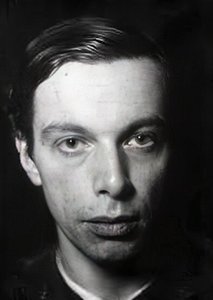
Ерnst Лудвиг Киршнер
1880 - 1938 , Германија
Brzi pregled
- Artistic Movement Or Style: Изразхеизм
- Artists Who Influenced This Artist:
- Албрехт Дюрер
- Винсент ван Гох
- Эдвард Мунк
- Date Of Birth: 6 мај 1880.
- Date Of Death: 15 јуну 1938.
- Full Name: Ernst Ludwig Kirchner
- Nationality: Германија
- Notable Artworks:
- Улица (1908)
- Летећи танкеринен (1912)
- Портрет самог себе (1910)
- Пет жена (1913)
- Place Of Birth: Ашафењебург, Германија
Srodni članci

Earthy Tone Art Collections: Premium Earth-Toned Reproductions for Professional Interiors
Elevate hospitality interiors with premium earth-toned art collections. AllPaintingsStore offers high-volume, hand-painted oil reproductions, custom sizing, and multi-panel layouts designed for professional procurement and seamless large-scale hotel decor projects.


