

.

§ 1Katalog podaci
§ 2Apstraktno
Biografija umetnika
Explore the exquisite Baroque flower paintings of Ernst Stuven (1657-1712), a German master known for his detailed still lifes & Dutch influence.
.
Explore the exquisite Baroque flower paintings of Ernst Stuven (1657-1712), a German master known for his detailed still lifes & Dutch influence.

1657 - 1712, Germany
In the grand, sweeping narrative of the seventeenth century, where the dramatic shadows of the Baroque era met the meticulous precision of the Dutch Golden Age, the name Ernst Stuven emerges as a master of the delicate and the ephemeral. Born in 1657 in the industrious city of Hamburg, Germany, Stuven’s early life was shaped by the rigorous traditions of Northern European craftsmanship. His initial artistic foundations were laid under the watchful eye of Georg Hainz, a mentor who instilled in him the discipline required to capture the minute complexities of the natural world. Yet, the true metamorphosis of his talent occurred when, at the age of eighteen, he ventured toward the vibrant artistic pulse of Amsterdam. This relocation was more than a mere change of scenery; it was an immersion into a culture where light, texture, and botanical splendor were celebrated with unparalleled fervor.
The trajectory of Stuven’s career was profoundly influenced by his time in the studios of some of the era's most esteemed masters. After studying under Johannes Voorhout, he found himself drawn to the specialized allure of flower painting, leading him into the prestigious studio of Willem van Aelst. It was here that Stuven refined his ability to render the velvety texture of a petal and the translucent shimmer of dew. His artistic evolution continued as he later sought the guidance of Abraham Mignon, further honing a style that balanced scientific accuracy with an almost poetic atmospheric perspective. Through these associations, Stulen became a vital link in the chain of Dutch-influenced botanical art, blending German precision with the lush, emotive qualities of the Amsterdam school.
To gaze upon a Stuven masterpiece is to enter a silent, fragrant world where time seems to suspend itself. His work was never merely about the depiction of flora; it was an exploration of vanitas—the profound meditation on the fleeting nature of life. While his canvases often featured vibrant arrangements of roses, tulips, and primroses, there was always an underlying tension between the peak of blossom and the inevitable onset of decay. He utilized a sophisticated palette of muted tones—deep greens, earthy browns, and rich reds—to create a sense of profound tranquility and understated elegance. Unlike contemporaries who relied on jarring contrasts, Stuven mastered the art of tonal gradation, allowing each element of his compositions to emerge softly from the shadows.
His technical prowess extended beyond the petals themselves to the surrounding elements that grounded his compositions. He possessed an uncanny ability to render the cold, hard surface of a stone slab or the fragile transparency of a glass vase with equal conviction. This interplay between the organic and the inorganic served to heighten the sensory experience of his viewers, making the flowers feel tangibly present within the viewer's space. His achievements in this genre were not merely measured by technical skill but by his ability to evoke an emotional response—a quiet reverence for the intricate beauty found in the smallest corners of nature.
Despite the serene beauty of his canvases, the personal history of Ernst Stuven was marked by periods of significant turbulence. The annals of art history, particularly the writings of Houbraken, reveal a life that was not without its darker chapters. His relationship with his pupil, Willem Grasdorp, was famously fraught with conflict, leading to legal repercussions and a period of incarceration in Amsterdam's Rasphuis. Such dramatic shifts in fortune—from the heights of artistic success to the depths of social isolation—add a layer of poignant complexity to his legacy. In his later years, moving through Haarlem and eventually settling in Rotterdam, he lived a life supported by patrons who recognized the enduring value of his hand.
Ultimately, the historical significance of Ernst Stuven lies in his contribution to the enduring tradition of the still life. He remains a pivotal figure for anyone seeking to understand the intersection of German training and Dutch aesthetic innovation. His works continue to serve as windows into a lost era of botanical wonder, reminding us that even the most fleeting bloom can be rendered immortal through the dedicated brush of a master. Through his meticulous observation and soulful execution, Stuven ensured that the delicate dance of light and life would never truly fade from the halls of art history.

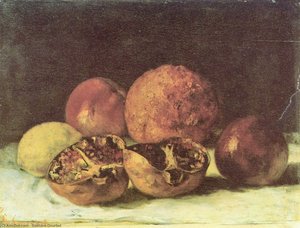
AllPaintingsStore.com, “Ernst Stuven, Fruit Study”, https://allpaintingsstore.com/sr/art/ernst-stuven-fruit-study-9DGR9K-en/ArtistReproduction/ (prizren 19 октобар 2026).
Ručno oslikano uljanim bojama na platnu u dimenzijama i okviru po vašem izboru, izrađeno po porudžbini od strane naših umetnika. ( Pređi na štampu Pređi na digitalnu sliku)
To je navedeno u margini narudžbenice; trenutno stanje tog dokumenta glasi kao sledi.
Fruit Study
Dimenzije reprodukcije
Više detalja, prefinjenosti i dodatnog vremena za izradu
-
Za umetnička dela ili reprodukcije čija je bilo koja strana veća od 105 cm (približno 41 inč), okvir će biti isporučen u obliku rastavljenog seta za sklapanje. Ovaj metod osigurava bezbednu dostavu i sprečava oštećenja tokom transporta.
Potrebna je profesionalna montaža – ovo nije proizvod namenjen samostalnoj izradi.
Set mora sastaviti i platno zategnuti iskusni profesionalni ramitelj, koristeći drveni lepak (nije uključen u set), hvataljku za zatezanje platna i stege kako bi se održao prav ugao okvira dok se lepak suši. Nepravilno sklapanje ili neravnomerno zategnuto platno mogu trajno oštetiti umetničko delo, što nije pokriveno našom garancijom.
Sve šipke od masivnog drveta su uključene, precizno isečene po veličini.
Montira se pomoću priloženih šrafova, uz dodatno korišćenje lepka za drvo za spojeve u uglovima, koji nije uključen u set i koji vaš čuvar okvira mora obezbediti.
Potreban je profesionalni alat koji nije uključen u set: klešta za zatezanje platna (zatezač) i stege za održavanje pravih uglova letvica tokom sušenja lepka.
Važno:
Za spojeve u uglovima neophodan je lepak za drvo, šipke se moraju pričvrstiti stezgama dok lepak potpuno ne osuši, a za zatezanje platna na sklopljenom ramu potrebne su hvataljke za zatezanje platna. Nijedan od ovih alata nije uključen u komplet. Pre naručivanja ove veličine, molimo Vas da unapred obezbedite iskusnog profesionalca za ramačenje.
-
Sjajni lak (pojačava intenzitet boja, štiti od svetlosti i vlage)
Primeri mogućnosti izmene: Zamena lica fotografijom kupca; Dodavanje ljubimca (npr. zamena mačke psom); Uključivanje skrivene poruke u pozadini; Promena pejzaža ili elemenata pozadine.
Svetska isporuka () za 3/4 nedelje umesto uobičajenih 5 nedelja. (17 новембар). Bez kompromisa po pitanju kvaliteta.
Dostava širom sveta () u roku od 5 nedelja. (24 новембар).
Uključeno uz svaku porudžbinu

Explore the technical mastery of botanical illustration from Redouté to Marianne North. Discover the science behind the art today.
 Pročitaj više




 Za umetnička dela ili reprodukcije čija je bilo koja strana veća od 105 cm (približno 41 inč), okvir će biti isporučen u obliku rastavljenog seta za sklapanje. Ovaj metod osigurava bezbednu dostavu i sprečava oštećenja tokom transporta.


