


 Pregledaj u prostoru
 Pošalji
 Podeli
 Detalji o delu
 Vodič
Vodič

 Preuzmi
 Slični predmeti
 Rendgenski snimak
 Automatska prezentacija
 Pitanja i odgovori
 Statistika
Study for Cinematic Mural, Study II

- 50.0 x 38.0 cm


 Pročitaj više
Giclee štampa / Umetnički otisak
Giclée štampa ili print na platnu muzejskog kvaliteta uz brzu izradu i raznovrsne opcije završne obrade. ( Kupite ručno oslikano delo Pređi na digitalnu sliku)




P118B дин10

P118H дин10

P118W дин10

P438Z дин10

P508JH дин12

P508YH дин12

P805H дин10

P805Z дин10

P919BZ дин10

P919G дин10

P919XJ дин10

P959ZH дин10

P968JZ дин12

W106C дин8

W218G дин10

W218JH дин8

W218Y дин10

W307PJ дин10

W316G дин10

W316PJ дин8

W316Y дин10

W398PJ дин8

W4111J дин10

W500HY дин15

W500JH дин15

W692G дин12

W849H дин8

W940BG дин15

W953PJ дин8




Izaberite jednu od naših unapred definisanih veličina koje odgovaraju originalnim proporcijama umetničkog dela.

Unesite željenu širinu i visinu kako bi se štampa uklopila u vaš ram ili zid. Štampu je moguće samo iseći, ali nikada povećati iznad dimenzija originalne slike, stoga format sa drugačijim proporcijama uzrokuje gubitak dela slike. Pre početka štampe, poslaćemo vam digitalni prikaz radi potvrde. Slika prikazana na ovoj stranici ne predstavlja stvarni isrez — to pokazuje samo digitalni prikaz.
Dostava širom sveta () za 2 nedelje umesto uobičajenih 4/5 nedelja. (3 новембар)

Besplatna ekspresna dostava širom sveta

Visokokvalitetno laneno platno

Potpuno osiguranje transporta

Garancija povraćaja carine i uvoznih dažbina

Garancija vernosti boja

Politika povraćaja u roku od 100 dana (samo u slučaju nedostataka)

Garancija povrata 100% novca

Popust na više proizvoda
 Opcija sa staklom dostupna je samo za dimenzije manje od 110 cm

Study for Cinematic Mural, Study II
Giclee štampa / Umetnički otisak
Dimenzije reprodukcije
-


Ukupna cena
дин 6810
A Monumental Vision: Fernand Léger’s “Study for Cinematic Mural, Study II”
Fernand Léger's "Study for Cinematic Mural, Study II," painted in 1938, offers a compelling glimpse into the artist’s ambitious vision of a mechanized future. Measuring 50 x 38 cm, this intimate study reveals the genesis of a monumental concept – a cinematic mural intended to capture the dynamism and spirit of the burgeoning American cityscape. Léger, deeply influenced by the industrial revolution and his own experiences in Normandy, sought to translate the rhythms of modern life onto canvas, creating a visual language that was both strikingly abstract and profoundly evocative.
- Subject Matter: The painting depicts a vibrant urban scene dominated by the imposing figure of the Statue of Liberty. However, Léger doesn’t present a straightforward depiction; instead, he fragments and reassembles elements – smaller statues punctuate the composition, suggesting a layered narrative of progress and aspiration.
- Style & Technique: Executed in Léger's signature style, “Study II” showcases his characteristic use of geometric forms, bold colors, and a flattened perspective. The application of paint is deliberately rough and textured, reflecting the artist’s fascination with industrial materials and their impact on form. Notice the deliberate lack of traditional shading, contributing to the painting’s overall sense of energy and movement.
Historical Context: Léger and the Machine Age
"Study for Cinematic Mural, Study II" was created during a pivotal moment in history – the rise of industrialization and its profound impact on society. Léger's work reflects this era’s fascination with technology and the perceived promise (and potential anxieties) surrounding it. Commissioned likely as part of a larger project intended for public display, the mural would have aimed to celebrate American ingenuity and forward-thinking ideals. The inclusion of the Statue of Liberty is particularly significant, referencing America's foundational myth of freedom and opportunity – themes that Léger consistently explored through his art.
- The Avant-Garde Movement: Léger was a key figure in the Cubist movement, though he developed a distinct style often referred to as “Tubism,” which emphasized cylindrical forms and mechanical structures.
- Public Art & Modernity: The commission itself speaks to the growing interest in public art during this period, reflecting a desire to engage citizens with modern ideas and aesthetics.
Symbolism and Emotional Impact
Beyond its technical brilliance, “Study for Cinematic Mural, Study II” is rich in symbolic meaning. The Statue of Liberty, rendered as a monumental form amidst the urban landscape, represents both aspiration and potential disruption. The scattered smaller statues could symbolize individual lives within this vast, mechanized world – perhaps highlighting the human cost of progress. Léger’s deliberate use of color—bold blues, reds, and yellows—conveys a sense of energy and excitement, yet also hints at underlying tension. The painting evokes a complex emotional response: awe at the scale of modern ambition, concern for its potential consequences, and ultimately, a profound engagement with the changing nature of human experience.
- The American Dream: The image powerfully embodies the concept of the “American Dream,” albeit filtered through Léger’s unique artistic lens.
- A Dialogue with the Future: The artwork prompts viewers to contemplate the relationship between humanity and technology, a question that remains relevant today.
Collecting this Masterpiece – A Reproduction Opportunity
AllPaintingsStore offers a meticulously crafted hand-painted reproduction of Fernand Léger’s “Study for Cinematic Mural, Study II,” allowing you to bring this iconic artwork into your home or office. Each reproduction is created using the highest quality materials and techniques, ensuring exceptional detail and color accuracy. This isn't just a print; it's a tangible connection to one of the 20th century’s most innovative artists. Own a piece of art history – order your hand-painted reproduction today.
Pitanja i odgovori
Koliko je godina imao/la Фернан Леже kada je kreirao/la "Study for Cinematic Mural, Study II" 1938. godine?
Фернан Леже je kreirao/la "Study for Cinematic Mural, Study II" u uzrastu od 57 godina. Umetnik je rođen/a 1881, a delo je datirano na 1938. godinu.
U kojoj godini je nastalo "Study for Cinematic Mural, Study II"?
Delo „Study for Cinematic Mural, Study II”, autor Фернан Леже nastalo je 1938.
Gde se preporučuje izlaganje dela "Study for Cinematic Mural, Study II" u formatu Portrait?
Format Portrait dela „Study for Cinematic Mural, Study II”, autor Фернан Леже preporučuje se za Reception. Format i prostor zajedno služe kao smernica za postavljanje reprodukcije.
Srodna umetnička dela


Biografija umetnika
Život Izkovan u Formi: Svet Fernana Legera
Fernan Leže, rođen kao Žozef Fernand Enri Leže 1881. godine usred ruralnih pejzaža Argantana, Normandije, zauzima ključno mesto u evoluciji moderne umetnosti. Njegovo putovanje od polja njegovog detinjstva do samog čela pariških avangardnih krugova svedoči o neprestanoj umetničkoj viziji i neumornom nastojanju da uhvati duh mašinskog doba. Za razliku od mnogih svojih savremenika koji su apstrakciju prihvatili kao povlačenje iz reprezentacije, Leže je tražio da *integriše* modernost – njen dinizam, mehaničke oblike, samu njenu esenciju – u novi vizuelni jezik koji je bio i moćno apstraktan i duboko ukorenjen u posmatranom svetu. Njegov raniji život, prožet fizičkom aktivnošću poljoprivrednog rada, pružio je pouzdano upoređivanje sa industrijalnom budućnosti koju je tako strastveno prikazivao. Prvo namenjen arhitekturi, Ležeova staza se preusmerila ka slikarstvu nakon što je stigao u Pariz oko 1900. godine, izdržavajući se crtačkim radom dok je usavršavao svoje umetničke veštine. Ovaj period je bio obeležen tradicionalnim akademskim obrazovanjem, ali tek nakon susreta sa revolucionarnim delima Pola Sezana počela je prava transformacija.Rođenje ‘Tubizma’ i Section d'Or
Sezanova retrospektiva 1907. godine poslužila je kao katalizator, oslobodivši Legera od konvencionalne reprezentacije i gurajući ga ka geometrijskijem i strukturalnijem pristupu. Počeo je da razgrađuje oblike, analizira njihove osnovne strukture i ponovo ih gradi na platnu sa novim naglaskom na čvrstini i volumenu. Ova eksploracija ga je brzo dovela u orbitu kubizma, ali Leže nije bio zadovoljan samo replikacijom stilova Pikasa ili Braka. Umesto toga, razvio je svoj sopstveni distinktivan idiom – lični oblik kubizma koji su kritičari igrivo nazvali “tubizam”. Karakterizovan cilindričnim oblicima, spljoštenim ravninama i hrbrim kontrastima boja, tubizam je slavio mašinsku estetiku mnogo pre nego što je postala široko rasprostranjena. Bila je to umetnost rođena iz posmatranja procvetavajućeg industrijskog sveta, prepoznajući lepotu u njegovim funkcionalnim oblicima i mehaničkim ritmovima. U ovom periodu Leže je aktivno učestvovao u avangardnoj sceni, udruživši se sa umetnicima poput Žana Metzingera, Enrija Leforenija, Fransisa Pikabije i Marsela Dšona unutar Puteaux grupe, poznate i kao Section d'Or (Zlatni preseč). Grupa je istraživala matematičke principe harmonije i proporcije, nastojeći da u svoju umetnost ubrizga osećaj reda i racionalnosti. Njihove kolektivne istrage su pomerile granice umetničkog izraza, postavivši temelje za buduće razvoje u apstraktnoj umetnosti.Rat, Mehanizacija i Nova Estetika
Izbijanje Prvog svetskog rata duboko je uticalo na Ležeov život i rad. Služba na frontu od 1914. do 1916. godine izložila ga je brutalnim realnostima moderne ratne tehnike – artiljerijskim udarima, vazdušnim borbama i dehumanizirajućim efektima mehanizovanog sukoba. Ovo iskustvo nije dovelo do razočaranja ili odbacivanja modernosti; naprotiv, učvrstilo je njegovu fascinaciju mašinama i njihovom snagom. Skice napravljene tokom služenja dokumentovale su strogotu lepote vojne tehnologije, transformišući instrumente uništenja u subjekte umetničkog razmatranja. Po povratku u civilni život, Ležeova estetika je doživela dalji evoluciju. Njegove slike su počele da odražavaju više pojednostavljenog, mehaničkog senzibiliteta, slaveći dinamičnost i efikasnost industrijskog sveta. *Vojnik sa puškom* (1916) ilustruje ovu promenu, prikazujući pojednostavljene oblike i hrabre boje koje evociraju osećaj mehaničke preciznosti. Ovo nije bila samo estetska izbira; bila je to filozofski stav – potvrda potencijala modernosti za napredak i obnovu, čak i u jeku razornih sukoba.Nasleđe i Trajni Uticaj
U godinama nakon rata, Leže je nastavio da istražuje presek umetnosti i industrije, stvarajući dela koja su slavila moderan život jedinstvenom kombinacijom apstrakcije i figuracije. Njegova serija *Paysages animés* (Animirani pejzaži) iz 1921. godine prikazala je figure i životinje besprekorno integrisane u pojednostavljene kompozicije, briseći granice između organskih i neorganskih oblika. Eksperimentisao je takođe sa skulpturom i filmskom umetnošću, proširivši svoju umetničku praksu izvan okvira tradicionalnog slikarstva. Ležeov uticaj na buduće generacije umetnika je nedvojben. Njegovo hrbrim pojednostavljenje oblika, njegov prihvatanje industrijske slike i njegova slava popularne kulture najavili su pojavu Pop Art-a decenijama kasnije. Umetnici poput Roja Lihtenštajna i Endija Vorhola duguju jasan dug Legerovom pionirskom radu. On je prevazišao jaz između apstraktne umetnosti i figurativnog predstavljanja, pokazujući da je moguće kreirati dela koja su intelektualno rigorozna i vizuelno privlačna. Danas se Legerove slike nalaze u glavnim muzejima širom sveta, uključujući Musée d'Art et d'Histoire u Francuskoj i Musée National Fernand Léger, posvećen isključivo njegovom radu. On ostaje impozantna figura umetnosti 20. veka – vizionar koji se usudio da pronađe lepotu u mašinskom dobu i da je prevede na platno sa nezadrživim hrabrošću i originalnošću. Njegovo nasleđe nije samo kao slikara, već i kao proroka modernosti. Pravo je pionira čiji rad nastavlja da rezonuje sa publikom danas.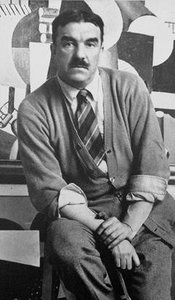
Фернан Леже
1881 - 1955 , Француска
Osnovne informacije
- Artisti Ili Pokreti Pod Uticajem Ovog Umetnika: ['Pop Art']
- Artisti Koji Su Uticali Na Njega: ['Pol Sezan']
- Datum Rođenja: 4. februar 1881.
- Datum Smrti: 17. avgust 1955.
- Mesto Rođenja: Argantan, Francuska
- Nacionalnost: Francuski
- Puno Ime: Žozef Fernan Enri Leže
- Umetnički Pokret Ili Stil: Kubizam, Tubizam
- Značajna Dela:
- Sedeća žena
- Mašinski element
- Velika parada
- Grad
Povezani članci

Contemporary Abstract Art: A Professional Buyer's Guide to Large-Scale Modern Decor for Hospitality and Corporate Interiors
A professional procurement guide for hotel designers and architects. Discover how to integrate large-scale contemporary abstract art into hospitality projects through high-volume, custom-sized oil reproductions, multi-panel layouts, and reliable global logistics.


