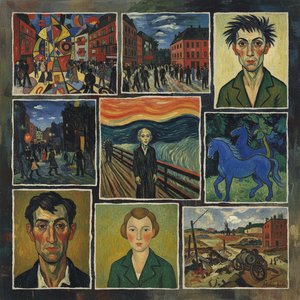
Oil On Canvas.

§ 1Catalogue data


Ovo umetničko delo je zaštićeno autorskim pravima
Umetničko delo prikazano na ovoj stranici zaštićeno je autorskim pravima, što znači da zakonski nismo u mogućnosti da kreiramo niti prodajemo identičnu reprodukciju. Ova zaštita se sprovodi u skladu sa međunarodnim sporazumima kao što su Bernska konvencija i nacionalnim zakonima, uključujući i one koji su definisani u Američki zakon o autorskom pravu – Naslov 17.
Kao poštovana i legalna alternativa, nudimo prilagođene, ručno oslikane umetničke radove inspirisane originalom. Naši stručni i profesionalni umetnici pažljivo proučavaju stil, ambijent i umetničku suštinu originala kako bi kreirali novo, unikatno delo koje budi istu emociju – ostajući pritom potpuno autentično stvaranje.
Ovaj metod je u potpunosti usklađen sa regulativama o autorskim pravima jer ne podrazumeva kopiranje ili dupliranje zaštićenih umetničkih dela. Umesto toga, reč je o kreativnoj reinterpretaciji – novom slikarskom delu koje je inspirisano originalom, ali nije identično njemu.
 Pročitajte više
§ 2Abstract
Opis predmeta
Dive into the unsettling world of Francis Bacon's 'Study for Three Heads 2.' This expressionistic portrait captures raw emotion and psychological intensity through distorted forms, dark hues, and layered textures.
Biografija umetnika
Francuzi Bacon bio je srpsko-britanski umetnik koji je poznat po svojim intenzivnim figurativnim slikama koje su karakterisane deformacijama oblika i eksistencijalnim temama. Najvažnije njegove slike uključuju studije nakon Velazeovog portreta pape, ciklus portreta Đorge Djera i druge dela koja su ostavila nezaboravno mesto u istoriji umetnosti.
§ 3Commentary
Study for Three Heads 2: A Descent into Psychological Intensity
Francis Bacon’s “Study for Three Heads 2” is not merely a depiction of a man; it's an excavation of the human psyche, rendered with a brutal honesty and unsettling beauty. Painted in 1968, this work exemplifies Bacon’s signature style – a deliberate distortion of form, a claustrophobic compression of space, and a palette dominated by the muted tones of anxiety. The canvas immediately confronts the viewer with a face fractured and fragmented, a portrait less concerned with objective representation than with conveying an overwhelming sense of unease and psychological distress. It's a study in isolation, a visual echo of the anxieties that permeated much of Bacon’s oeuvre during this period.
The composition itself is deliberately destabilizing. The subject, positioned slightly off-center within the frame, creates a feeling of imbalance, mirroring the internal turmoil suggested by his expression. The blurred figures in the background – hints of other faces lost in a chaotic environment – reinforce this sense of alienation and suggest a world devoid of comfort or connection. Bacon’s masterful use of light further amplifies this effect; stark highlights carve into the face, emphasizing every wrinkle and imperfection while deep shadows engulf the surrounding areas, creating an atmosphere of profound darkness and uncertainty.
Technique and Materials: A Raw Expression
Bacon's technique in “Study for Three Heads 2” is characterized by a deliberate lack of polish. Loose, gestural brushstrokes dominate the surface, creating a texture that feels both rough and layered – as if the image has been violently scraped onto the canvas. This raw quality isn’t accidental; it’s central to Bacon's artistic intent. He sought to capture not just what he saw, but how he *felt* about what he saw. The fragmented shapes, particularly in the rendering of the face, contribute to this sense of disintegration, suggesting a mind unraveling under pressure.
The artist likely employed oil paints on a panel – a common medium for his work at the time – allowing him to build up layers of color and texture with remarkable speed and intensity. The limited palette – shades of gray, black, white, and subtle browns – intensifies the emotional impact, stripping away any superficial prettiness and focusing attention solely on the core anxieties represented within the image.
Symbolism and Context: Echoes of Existential Dread
"Study for Three Heads 2" is deeply rooted in Bacon’s exploration of existential themes. The distorted human face becomes a symbol of alienation, isolation, and the inherent absurdity of existence – concerns that were particularly prevalent in the post-war era. The work resonates with the broader context of Bacon's artistic output, which frequently grappled with mortality, suffering, and the darker aspects of the human condition. It’s a visual manifestation of the anxieties surrounding the loss of faith and meaning in a rapidly changing world.
Interestingly, this piece is considered a “study,” suggesting it was created as an initial exploration before the final, more polished version – "Three Heads 2" – was produced. This study offers a particularly intimate glimpse into Bacon’s creative process, revealing the painstaking effort he invested in capturing these profoundly unsettling images. The unfinished quality of this work only adds to its power and resonance, inviting viewers to contemplate the complexities of human emotion and the enduring struggle for meaning.
Pitanja i odgovori
Koji umetnik i koji stil stoje iza "Study for Three Heads 2"?
Delo "Study for Three Heads 2" delo je Френсис Бејкон u stilu Expressionist Distortion. Umetnik i pravac definišu tradiciju ovog dela.
Kako se kontrast i harmonija spajaju u delu "Study for Three Heads 2"?
U delu "Study for Three Heads 2", Statement kontrast je uparen sa Balanced Harmony harmonijom.
Koliko je zasićena paleta dela "Study for Three Heads 2"?
Paleta dela "Study for Three Heads 2" ima Muted zasićenost.


 Pređi na štampu


 Za umetnička dela ili reprodukcije čija je bilo koja strana veća od 105 cm (približno 41 inč), okvir će biti isporučen u obliku rastavljenog seta za sklapanje. Ovaj metod osigurava bezbednu dostavu i sprečava oštećenja tokom transporta.