

Oil On Canvas.

§ 1Catalogue data


Ovo umetničko delo je zaštićeno autorskim pravima
Umetničko delo prikazano na ovoj stranici zaštićeno je autorskim pravima, što znači da zakonski nismo u mogućnosti da kreiramo niti prodajemo identičnu reprodukciju. Ova zaštita se sprovodi u skladu sa međunarodnim sporazumima kao što su Bernska konvencija i nacionalnim zakonima, uključujući i one koji su definisani u Američki zakon o autorskom pravu – Naslov 17.
Kao poštovana i legalna alternativa, nudimo prilagođene, ručno oslikane umetničke radove inspirisane originalom. Naši stručni i profesionalni umetnici pažljivo proučavaju stil, ambijent i umetničku suštinu originala kako bi kreirali novo, unikatno delo koje budi istu emociju – ostajući pritom potpuno autentično stvaranje.
Ovaj metod je u potpunosti usklađen sa regulativama o autorskim pravima jer ne podrazumeva kopiranje ili dupliranje zaštićenih umetničkih dela. Umesto toga, reč je o kreativnoj reinterpretaciji – novom slikarskom delu koje je inspirisano originalom, ali nije identično njemu.
 Pročitajte više
§ 2Abstract
Opis predmeta
Explore Francis Bacon’s unsettling Triptych – a visceral depiction of human distress & decay in oil on canvas. Dark tones, distorted figures, & raw emotion define this iconic work.
Biografija umetnika
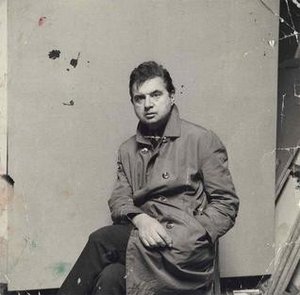
Francuzi Bacon bio je srpsko-britanski umetnik koji je poznat po svojim intenzivnim figurativnim slikama koje su karakterisane deformacijama oblika i eksistencijalnim temama. Najvažnije njegove slike uključuju studije nakon Velazeovog portreta pape, ciklus portreta Đorge Djera i druge dela koja su ostavila nezaboravno mesto u istoriji umetnosti.
§ 3Commentary
A Descent Into Darkness: The Haunting Resonance of Triptych 1
To encounter Francis Bacon’s Triptych 1 is to step into a realm where the boundary between reality and nightmare begins to dissolve. Completed in 1947, this monumental work serves as a profound psychological landscape, capturing the heavy, suffocating atmosphere of post-war Britain. At first glance, the viewer is met with an unsettling stillness, a deceptive calm that masks a deep well of existential dread. The painting does not merely depict a scene; it orchestrates a visceral experience of human vulnerability. Through his masterful command of form and shadow, Bacon invites us to witness a moment of profound isolation, making this piece an essential cornerstone for any collection focused on the raw power of 20th-century expressionism.
The composition is a masterclass in claustrophobic tension. The central panel presents a meticulously rendered yet deeply disturbing workspace—a desk cluttered with objects that seem to pulse with their own dark energy. A skull, a violin, and crumpled papers are not merely incidental details; they are potent symbols of mortality, the fragmentation of thought, and the agony of artistic struggle. By compressing the figure within this cramped environment, Bacon mirrors the internal entrapment of the human psyche grappling with trauma. The arrangement forces the eye to wander through a labyrinth of shadows, where every object carries the weight of a silent scream, creating a narrative of decay and psychological disintegration that is as captivating as it is unsettling.
Technique and the Language of Distortion
Bacon’s technical prowess lies in his ability to blend brutal realism with surrealist distortion. In Triptych 1, he employs a technique that feels both observed and imagined, layering paint with a textured intensity that gives the canvas a palpable, fleshy quality. He eschews traditional, comforting perspectives in favor of flattened planes and blurred boundaries, a choice that height even greater disorientation for the viewer. The lighting is dramatic and uneven, casting deep, impenetrable shadows that swallow parts of the composition, leaving only fragments of the subject visible to the light. This interplay of light and dark creates a sense of movement within the stillness, as if the figures are caught in a state of permanent, agonizing transition.
For the discerning collector or interior designer, this work offers an unparalleled emotional depth. The color palette—dominated by somber blacks, earthy browns, and muted, bruised reds—provides a sophisticated yet intense focal point for a space. It is a piece that demands contemplation, offering a rich tapestry of textures and tones that can anchor a room with its gravity and historical significance. Whether viewed as a study in the human condition or as a triumph of post-war modernism, Triptych 1 remains an enduring icon of art history, promising to provoke thought and inspire awe in all who behold its haunting beauty.
Pitanja i odgovori
Da li su boje dela "Triptych 1" intenzivne ili nežne?
„Triptych 1”, autor Френсис Бејкон prikazuje Monochromatic intenzitet boja.
Kakvu atmosferu donosi „Triptych 1”, autor Френсис Бејкон u enterijer?
„Triptych 1”, autor Френсис Бејкон odiše Dramatic atmosferom i preporučuje se za Living Room. Raspoloženje je ono što umetničko delo unosi u prostor oko sebe.
O kakvom se delu radi u "Triptych 1"?
U katalogu je delo „Triptych 1”, autor Френсис Бејкон klasifikovano kao WallArt. Ova kategorija pomaže u pronalaženju sličnih radova.


 Pređi na štampu


 Za umetnička dela ili reprodukcije čija je bilo koja strana veća od 105 cm (približno 41 inč), okvir će biti isporučen u obliku rastavljenog seta za sklapanje. Ovaj metod osigurava bezbednu dostavu i sprečava oštećenja tokom transporta.


