


 Pregledaj u prostoru

 Pošalji
 Podeli
 Detalji o delu
 Vodič


 Preuzmi
 Slični predmeti
 Rendgenski snimak
 Automatska prezentacija
 Pitanja i odgovori
 Statistika
Fish

 Pročitaj više
Umetničko delo prikazano na ovoj stranici zaštićeno je autorskim pravima, što znači da zakonski nismo u mogućnosti da kreiramo niti prodajemo identičnu reprodukciju. Ova zaštita se sprovodi u skladu sa međunarodnim sporazumima kao što su Bernska konvencija i nacionalnim zakonima, uključujući i one koji su definisani u Američki zakon o autorskom pravu – Naslov 17.
Ovaj metod je u potpunosti usklađen sa regulativama o autorskim pravima jer ne podrazumeva kopiranje ili dupliranje zaštićenih umetničkih dela. Umesto toga, reč je o kreativnoj reinterpretaciji – novom slikarskom delu koje je inspirisano originalom, ali nije identično njemu.
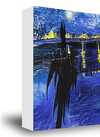
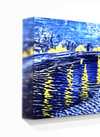
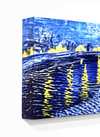
Giclee štampa / Umetnički otisak
Giclée štampa ili print na platnu muzejskog kvaliteta uz brzu izradu i raznovrsne opcije završne obrade. ( Kupite ručno oslikano delo Pređi na digitalnu sliku)
P118B дин10
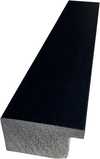
P118H дин10
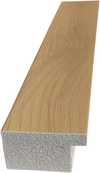
P118W дин10
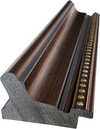
P438Z дин10
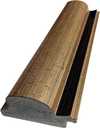
P508JH дин12
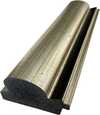
P508YH дин12
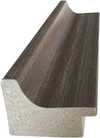
P805H дин10
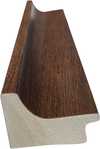
P805Z дин10
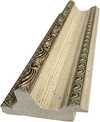
P919BZ дин10
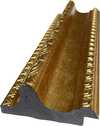
P919G дин10
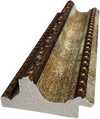
P919XJ дин10
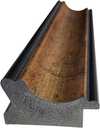
P959ZH дин10
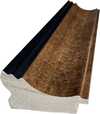
P968JZ дин12
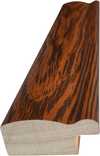
W106C дин8
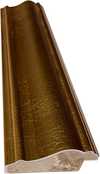
W218G дин10
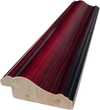
W218JH дин8
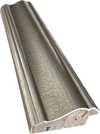
W218Y дин10
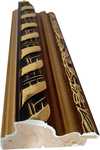
W307PJ дин10
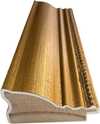
W316G дин10
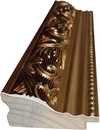
W316PJ дин8
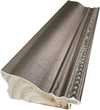
W316Y дин10
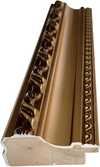
W398PJ дин8
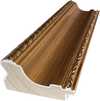
W4111J дин10
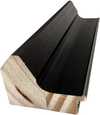
W500HY дин15
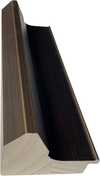
W500JH дин15
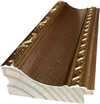
W692G дин12
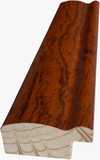
W849H дин8
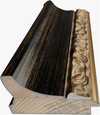
W940BG дин15
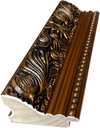
W953PJ дин8
Izaberite jednu od naših unapred definisanih veličina koje odgovaraju originalnim proporcijama umetničkog dela.

Unesite željenu širinu i visinu kako bi se štampa uklopila u vaš ram ili zid. Štampu je moguće samo iseći, ali nikada povećati iznad dimenzija originalne slike, stoga format sa drugačijim proporcijama uzrokuje gubitak dela slike. Pre početka štampe, poslaćemo vam digitalni prikaz radi potvrde. Slika prikazana na ovoj stranici ne predstavlja stvarni isrez — to pokazuje samo digitalni prikaz.
Dostava širom sveta () za 2 nedelje umesto uobičajenih 4/5 nedelja. (17 новембар)

Besplatna ekspresna dostava širom sveta

Visokokvalitetno laneno platno

Potpuno osiguranje transporta

Garancija povraćaja carine i uvoznih dažbina

Garancija vernosti boja

Politika povraćaja u roku od 100 dana (samo u slučaju nedostataka)

Garancija povrata 100% novca

Popust na više proizvoda
 Opcija sa staklom dostupna je samo za dimenzije manje od 110 cm

Fish
Giclee štampa / Umetnički otisak
Dimenzije reprodukcije
-


Ukupna cena
дин 6805
Georges Braque’s “Fish”: A Cubist Exploration of Form and Essence
Georges Braque's "Fish," painted in 1942 during the height of his Analytical Cubist period, isn’t merely a depiction of an aquatic creature; it’s a meticulously constructed meditation on form, geometry, and the very nature of representation. This work, currently residing within the Tate Modern’s collection, offers a compelling glimpse into Braque's radical experimentation with perspective and his desire to strip away illusionistic realism in favor of a purely structural approach to art. The painting immediately commands attention not through vibrant color – instead, it relies on a carefully orchestrated palette of earthy browns, ochres, and muted grays, creating an atmosphere of quiet contemplation and understated power.
The composition itself is strikingly reductive. Braque abandons any attempt at naturalistic representation, fracturing the fish’s body into a series of interlocking planes and angular shapes – triangles, rectangles, and sharp-edged forms that seem to simultaneously exist in multiple dimensions. This fragmentation echoes the principles of Analytical Cubism, where objects are broken down into their constituent parts and reassembled in an abstract manner. The careful layering of these geometric elements suggests a deliberate effort to dissect and rebuild the subject, revealing its underlying structure rather than simply presenting a surface image. The stark black background further emphasizes this deconstruction, isolating the fish and forcing the viewer to confront its fragmented form without distraction.
Analyzing the Cubist Technique
Braque’s mastery of technique is evident in every meticulously rendered plane and precisely defined edge. The painting demonstrates a remarkable control over texture, achieved through subtle variations in brushstroke and layering. The surface appears subtly carved, as if the fish were sculpted from wood or another dense material – a detail that reinforces the sense of solidity and geometric precision. Notice how light plays across the various planes, creating highlights and shadows that accentuate the three-dimensional form despite its fragmented nature. This skillful manipulation of light and shadow is crucial to conveying the sculpture’s depth and volume.
The influence of Cézanne is palpable in "Fish," particularly his emphasis on geometric forms and his exploration of multiple viewpoints. Braque, like Cézanne, sought to capture the essence of an object by analyzing its underlying structure rather than simply imitating its appearance. However, Braque takes this approach a step further, pushing it into the realm of abstraction. The painting isn’t just about representing a fish; it's about exploring the fundamental principles of form and space.
Symbolic Resonance and Emotional Impact
Beyond its purely formal qualities, "Fish" carries a subtle symbolic weight. The stylized representation of a fish – an ancient symbol of fertility, abundance, and transformation – suggests a deeper meditation on life’s cycles and the interconnectedness of all things. The muted color palette evokes feelings of mystery, introspection, and perhaps even melancholy. The fragmented form could be interpreted as representing the breakdown of traditional notions of beauty or the loss of innocence, reflecting the anxieties and uncertainties of the post-World War I era.
Despite its abstract nature, "Fish" retains a powerful emotional resonance. It’s not a painting that shouts for attention; rather, it invites quiet contemplation and encourages viewers to engage with the work on a deeply personal level. The simplicity of the composition and the careful control of color and texture create a sense of harmony and balance, suggesting a profound understanding of form and structure. It's a testament to Braque’s ability to distill complex ideas into a single, compelling image – a timeless exploration of art’s capacity to reveal the hidden beauty within the ordinary.
Reproductions and Artistic Legacy
AllPaintingsStore offers high-quality hand-painted reproductions of Georges Braque's "Fish," allowing art enthusiasts to bring this iconic work into their homes or offices. These meticulously crafted reproductions capture the essence of the original painting, faithfully reproducing its color palette, texture, and geometric precision. Whether you’re a seasoned collector or simply seeking to add a touch of Cubist elegance to your space, a reproduction of "Fish" is a worthy investment – a tangible connection to one of the 20th century's most influential artists.
Pitanja i odgovori
Kako mogu da pregledam „Fish”, autor Жорж Брак u obliku prezentacije?
Delo „Fish”, autor Жорж Брак možete pogledati u obliku prezentacije na stranici Galerija slika za ovo umetničko delo.
Kako mogu da nabavim digitalni prikaz dela „Fish”, autor Жорж Брак?
Da biste dobili digitalnu verziju dela „Fish”, autor Жорж Брак, poručite je putem preuzimanje digitalne slike visoke rezolucije na stranici Digitalna slika u visokoj rezoluciji.
Kako je izgrađena koloristička kompozicija dela „Fish”, autor Жорж Брак?
Koloristička kompozicija dela „Fish”, autor Жорж Брак spaja Statement kontrast sa Balanced Harmony harmonijom.
Srodna umetnička dela


Biografija umetnika
Early Life and Artistic Foundations
Georges Braque, geboren in Argenteuil, Frankreich, im Jahr 1882, begann eine Lebensbahn tief verwurzelt in der sich entwickelnden Landschaft der modernen Kunst. Seine Kindheit innerhalb einer Familie von Hausmalern und Dekorateuren vermittelte ihm nicht nur technische Meisterschaft über Materialien, sondern auch eine frühe Wertschätzung für Form und Struktur. Obwohl er zunächst seinem Vater folgte und dessen Beruf ausübte, führten seine natürlichen künstlerischen Neigungen ihn bald zu einer Ausbildung am École des Beaux-Arts in Le Havre hinweg, wodurch sein Weg zum Erreichen eines der einflussreichsten Maler des 20. Jahrhunderts begann. Diese Grundlage – eine Mischung aus praktischem Handwerk und akademischem Studium – würde sich als entscheidend herausstellen, als er später traditionelle künstlerische Konventionen aufbrach und neu imaginierte.
Er zog im Jahr 1902 nach Paris um und setzte seine Ausbildung an der Académie Humbert fort, indem er sich in der lebhaften künstlerischen Umgebung der Stadt eintauchte. Dort lernte er Künstler wie Marie Laurencin und Francis Picabia kennen und schuf Verbindungen, die seinen frühen Entwicklungsprozess prägten. Seine ersten Arbeiten reflektierten die vorherrschenden Einflüsse von Impressionismus und Post-Impressionismus, aber ein entscheidender Begegnung mit der lebhaften Farbe und dem expressiven Freiheitsgefühl des Fauvismus im Jahr 1905 entzündete eine neue Richtung in seiner künstlerischen Erkundung.
The Embrace of Fauvism and the Dawn of Cubism
Braques Übernahme von Fauvist Prinzipien – gekennzeichnet durch intensive, nicht natürliche Farbe und emotionale Ausdruckskraft – wird eindrucksvoll dargestellt in Gemälden wie Die Geduld. Diese Periode sah ihn bei der Arbeit mit Künstlern wie Henri Matisse und André Derain, die mit lebhaften Farbpaletten und vereinfachten Formen experimentierten. Braques Engagement mit Fauvismus war jedoch nicht nur imitativ; er infundierte es mit einer einzigartigen Sensibilität und ließ damit die ungezügelte Ekstase der Bewegung mit einem ausgeglicheneren und analytischeren Ansatz maßstabieren.
Ein Wendepunkt gelang ihm im Jahr 1907 durch seine Begegnung mit der Retrospektive Ausstellung von Paul Cézannes Werk. Cézannes Betonung geometrischer Formen und mehrfacher Perspektiven hatte tiefgreifenden Einfluss auf Braque und bereitete den Weg für seine bahnbrechende Zusammenarbeit mit Pablo Picasso vor. Seit 1908 begannen diese beiden künstlerischen Titanen eine intensive intellektuelle Begegnung, die zur Geburt von Kubismus führte – einer revolutionären Bewegung, die traditionelle Vorstellungen von Darstellung zerstörte.
Gemeinsam entwickelten Braque und Picasso Analytical Cubism, indem sie Objekte in fragmentierte geometrische Formen zerteilten und mehrere Perspektiven gleichzeitig präsentierten. Werke wie Haus Nr. L'Estaque demonstrieren diese frühe Phase und zeigen damit einen radikalen Bruch mit konventioneller Perspektive und eine Fokussierung auf die zugrunde liegende Struktur von Formen.
Innovation Through Fragmentation and Collage
Die Zusammenarbeit zwischen Braque und Picasso setzte sich fort und drängte die Grenzen künstlerischen Ausdrucks hinaus, was zur Entwicklung von Synthetischem Kubismus um 1912 führte. Diese Phase brachte die Einführung von Collage ein – die Aufnahme echter Weltmaterialien wie Zeitungsartikel, Tapeten und Stoff in Gemälde. Diese Innovation stellte die hierarchische Beziehung zwischen Malerei und Bildhauerei in Frage und verschwärte die Grenzen zwischen Kunst und Leben.
Braques Pionierarbeit mit *papier collé* (pasted paper) markierte einen bedeutenden Wendepunkt in seiner künstlerischen Entwicklung. Indem er Fragmente alltäglicher Objekte in seine Kompositionen integrierte, störte er den illusionistischen Raum traditioneller Malerei und brachte damit eine neue Ebene der Materialität und Textur hervor. Diese Technik erweiterte nicht nur die formalen Möglichkeiten von Kunst, sondern spiegelte auch ein wachsendes Interesse an der Beziehung zwischen Darstellung und Realität wider.
Die Ausbruch des Ersten Weltkriegs im Jahr 1914 unterbrach diese intensive Zusammenarbeit, als Braque zum Militärdienst verpflichtet wurde. Seine Kriegserfahrungen prägten seine künstlerische Vision tiefgreifend und führten ihn dazu, persönlichere und lyrische Themen in seinen Nachkriegsarbeiten zu erkunden.
Later Years and Enduring Legacy
Nach dem Krieg entwickelte sich Braques Stil über die engen Grenzen von Kubismus hinaus und integrierte Elemente klassischer Komposition und ein erneutes Interesse an Landschaftsgemälden. Während er die geometrischen Einflüsse bewahrte, die seine frühere Arbeit definiert hatten, entwickelte er einen nuancierteren und kontemplativeren Ansatz zum Malen. Seine späteren Landschaften und Innenräume zeichnen sich durch ihre ruhige Atmosphäre und subtile Harmonie von Farbe aus.
Er blieb seinen gesamten Karriere über seinem Ziel verpflichtet, die grundlegenden Prinzipien von Form, Raum und Darstellung zu erforschen. Er experimentierte weiterhin mit verschiedenen Materialien und Techniken und drängte damit die Grenzen künstlerischen Ausdrucks bis zu seinem Tod im Jahr 1963.
Braques Vermächtnis geht über seine einzelnen Gemälde hinaus; er veränderte grundlegend unser Verständnis davon, wie wir die Welt um uns herum wahrnehmen und darstellen. Seine Zusammenarbeit mit Picasso, geprägt von seinem einzigartigen künstlerischen Blickwinkel sowie seinem eigenen Mut zur Herausforderung von Konventionen und zum Neuwirken der Möglichkeiten von Malerei festigte seinen Platz als echter Pionier moderner Kunst – ein Meister, der sich nicht scheute, Traditionen aufzubrüchen und die Entwicklung der modernen Kunst zu prägen.
Influences and Notable Works
- Influenced By: Henri Matisse, André Derain, Paul Cézanne
- Key Works: Houses at L'Estaque, The Patience, Violin and Palette, Mandola
- Impact on Art History: Revolutionized 20th-century art through Cubism; challenged traditional notions of perspective and representation.
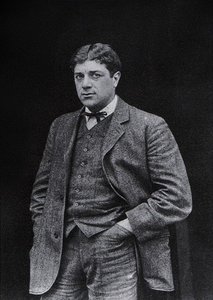
Жорж Брак
1882 - 1963 , Француска
Osnovne informacije
- Artistic Movement Or Style:
- Февивизам
- Кубизам
- Аналитички кубизам
- Синтетички кубизам
- Artists Or Movements Influenced By This Artist: ['Модерна уметност']
- Artists Who Influenced This Artist:
- Анри Матис
- Андре Дерен
- Пол Сезан
- Date Of Birth: 1882
- Date Of Death: 1963
- Full Name: Жорж Брак
- Nationality: Француска
- Notable Artworks:
- Домови код ЛаЕстаке
- Трпеција
- Виолина и палета
- Мандола
- Place Of Birth: Аржентеју, Француска
Povezani članci

The Anatomy of Melancholy: Examining Introspection and Emotion in Art History
Explore the history of melancholy from Dürer to Basquiat. Discover how artists express deep emotion through technique and color.

10 Iconic Cubist Masterpieces That Changed Art Forever
Journey through the revolutionary world of Cubism. Explore 10 iconic masterpieces by Picasso and Braque that redefined modern art. Find inspiration for your decor with museum-quality reproductions. Discover all masterpieces on AllPaintingsStore.com.

Fragmented Beauty: A Professional Guide to Deconstructed Forms and Cubist Masterpieces for Architectural Design
Elevate hospitality interiors with professional-grade Cubist reproductions. Our expert guide explores deconstructed forms for designers, offering high-volume, hand-painted oil masterpieces, custom multi-panel sets, and seamless global procurement for hotels and corporate spaces.

Mastering Cubism: The Top 25 Essential Georges Braque Artworks
Journey through the revolutionary world of Georges Braque. Explore 25 iconic Cubist masterpieces, from geometric abstractions to Fauvist colors. Find inspiration for your collection with museum-quality art reproductions and curated decor ideas. Discover all masterpieces on AllPaintingsStore.com.


