

Acrylic On Canvas.

§ 1Catalogue data

Ovo umetničko delo je zaštićeno autorskim pravima
Umetničko delo prikazano na ovoj stranici zaštićeno je autorskim pravima, što znači da zakonski nismo u mogućnosti da kreiramo niti prodajemo identičnu reprodukciju. Ova zaštita se sprovodi u skladu sa međunarodnim sporazumima kao što su Bernska konvencija i nacionalnim zakonima, uključujući i one koji su definisani u Američki zakon o autorskom pravu – Naslov 17.
Kao poštovana i legalna alternativa, nudimo prilagođene, ručno oslikane umetničke radove inspirisane originalom. Naši stručni i profesionalni umetnici pažljivo proučavaju stil, ambijent i umetničku suštinu originala kako bi kreirali novo, unikatno delo koje budi istu emociju – ostajući pritom potpuno autentično stvaranje.
Ovaj metod je u potpunosti usklađen sa regulativama o autorskim pravima jer ne podrazumeva kopiranje ili dupliranje zaštićenih umetničkih dela. Umesto toga, reč je o kreativnoj reinterpretaciji – novom slikarskom delu koje je inspirisano originalom, ali nije identično njemu.
 Pročitajte više
§ 2Abstract
Opis predmeta
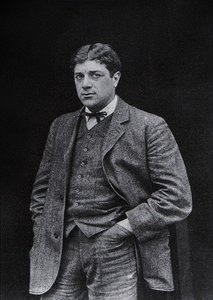
Biografija umetnika
Жртва је био револуционар у модерној сликарству, познат по својим делима као што су Домови код Ла’Естаке и Пацијент, који су преобразили начин представљања света кроз аналитичну кубистичку технику и експериментисање са колажом.
§ 3Commentary
Georges Braque’s Paris 1910: A Fragmented Reflection of Modern Anxiety
Paris 1910 stands as a cornerstone of Cubist art, encapsulating the movement's radical departure from traditional representation and offering a profound glimpse into the anxieties simmering beneath the surface of early 20th-century European culture. Painted by Georges Braque in 1910, this monochrome composition—primarily shades of gray, black, and white—isn’t merely an image of Paris; it's a deliberate dismantling of perspective and form, mirroring the intellectual ferment of its time.The Geometry of Disorientation
At first glance, ‘Paris 1910’ presents a deceptively simple visual landscape. However, beneath this calm exterior lies a complex interplay of geometric shapes – squares, rectangles, and intersecting lines – that actively destabilize our perception of space. Braque abandons the illusionistic techniques favored by Impressionists and Renaissance artists, opting instead for a fractured viewpoint that simultaneously reveals multiple perspectives on the same subject. This technique directly responds to the influence of Cézanne’s explorations into spatial relationships, pushing artistic boundaries further than ever before. The deliberate lack of depth compels viewers to actively engage with the artwork, questioning their assumptions about how we perceive reality.A Monochrome Palette and Textured Line
The artist's masterful use of monochrome contributes significantly to the piece’s emotional impact. Stripped bare of color, Braque focuses on tonal variations—ranging from darkest gray to subtle highlights—to convey mood and texture. Thick, energetic lines dominate the composition, defining shapes and creating a palpable sense of dynamism. These aren’t smooth, flowing strokes; rather, they appear jagged and broken, mirroring the fragmentation inherent in Cubist thought. The artist employs hatching techniques – layering parallel lines – to build up surface textures, emphasizing materiality and adding another layer of visual interest. This meticulous attention to detail underscores Braque's commitment to capturing not just what is seen but also how it feels.Historical Context: The Birth of Analytical Cubism
‘Paris 1910’ emerged during the formative years of Analytical Cubism, a pivotal phase in Picasso and Braque’s artistic collaboration. Influenced by African sculpture and Cézanne's geometric simplification of landscapes, this style represents a decisive break from academic conventions. The artwork reflects the broader intellectual currents of the era—a preoccupation with scientific advancements alongside anxieties about societal upheaval—expressed through visual language that prioritizes conceptual exploration over realistic depiction. It’s considered one of Picasso’s earliest explorations into Cubism and exemplifies the movement's core principles: simultaneity, fragmentation, and multiple viewpoints.Symbolic Resonance: Beyond Representation
More than just a cityscape, ‘Paris 1910’ operates on a symbolic level. The deliberate fracturing of form can be interpreted as representing the disorientation and uncertainty experienced during a period marked by rapid industrialization and social change. Braque's rejection of traditional perspective isn’t merely stylistic; it’s a philosophical stance that challenges viewers to reconsider their understanding of visual perception. The word ‘PARIS’ inscribed on the bottom right serves as a reminder of the subject matter, but also subtly underscores the artwork’s broader commentary on modernity and its impact on human experience.Emotional Impact: A Quiet Intensity
Despite its monochromatic palette and seemingly austere composition, ‘Paris 1910’ possesses an undeniable emotional resonance. The textured lines convey a sense of restless energy, hinting at the underlying anxieties of the time. The artwork invites contemplation—encouraging viewers to consider not just what they see but also how it communicates ideas about space, perception, and the complexities of human consciousness. It remains a powerful testament to Braque’s artistic vision and his enduring contribution to the history of art.Pitanja i odgovori
Koja veličina štampe za "Paris 1910" bi najbolje odgovarala mojoj prostoriji?
Za Living Room, preporučena veličina štampe dela „Paris 1910”, autor Жорж Брак je Large.
Koja paleta i dominantna boja definišu "Paris 1910"?
„Paris 1910”, autor Жорж Брак koristi Neutrals paletu, pri čemu je Gray (#818181) dominantna boja.
Koliko ljudi posmatra "Paris 1910"?
Postoji Statistika stranica za „Paris 1910“. Ona prikazuje mesečne posete ovom umetničkom delu i drugim delima ovog umetnika, uz detaljnu analizu po državama i jezicima.


 Pređi na štampu


 Za umetnička dela ili reprodukcije čija je bilo koja strana veća od 105 cm (približno 41 inč), okvir će biti isporučen u obliku rastavljenog seta za sklapanje. Ovaj metod osigurava bezbednu dostavu i sprečava oštećenja tokom transporta.


