

Acrylic On Canvas.

§ 1Catalogue data

Ovo umetničko delo je zaštićeno autorskim pravima
Umetničko delo prikazano na ovoj stranici zaštićeno je autorskim pravima, što znači da zakonski nismo u mogućnosti da kreiramo niti prodajemo identičnu reprodukciju. Ova zaštita se sprovodi u skladu sa međunarodnim sporazumima kao što su Bernska konvencija i nacionalnim zakonima, uključujući i one koji su definisani u Američki zakon o autorskom pravu – Naslov 17.
Kao poštovana i legalna alternativa, nudimo prilagođene, ručno oslikane umetničke radove inspirisane originalom. Naši stručni i profesionalni umetnici pažljivo proučavaju stil, ambijent i umetničku suštinu originala kako bi kreirali novo, unikatno delo koje budi istu emociju – ostajući pritom potpuno autentično stvaranje.
Ovaj metod je u potpunosti usklađen sa regulativama o autorskim pravima jer ne podrazumeva kopiranje ili dupliranje zaštićenih umetničkih dela. Umesto toga, reč je o kreativnoj reinterpretaciji – novom slikarskom delu koje je inspirisano originalom, ali nije identično njemu.
 Pročitajte više
§ 2Abstract
Opis predmeta
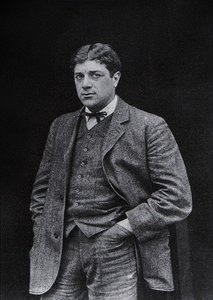
Biografija umetnika
Жртва је био револуционар у модерној сликарству, познат по својим делима као што су Домови код Ла’Естаке и Пацијент, који су преобразили начин представљања света кроз аналитичну кубистичку технику и експериментисање са колажом.
§ 3Commentary
A Symphony in Monochrome – Georges Braque’s Exploration of Form
Georges Braque’s “Vase of Flowers,” painted circa 1917-1918, stands as a cornerstone of Cubist aesthetics and a testament to the artist's unwavering commitment to dissecting and reconstructing visual reality. Emerging from the crucible of artistic experimentation that defined the First World War era, this deceptively simple composition transcends mere representation; it’s an invitation into a profound meditation on perception itself.
- Subject Matter: The centerpiece is a ceramic vase adorned with a profusion of blossoms—primarily lilies and roses—creating a vibrant counterpoint to the predominantly muted palette.
- Style: Braque’s Cubist approach abandons traditional illusionistic perspective, fracturing the vase and flowers into geometric planes that overlap and intersect simultaneously. This fragmentation isn't random; it’s meticulously calculated to convey multiple viewpoints of the same object at once.
Technique – Precision and Texture Amidst Geometric Fragmentation
Braque employed a masterful technique characterized by painstaking precision and subtle textural variations. He utilized oil paints applied with thick impasto—a technique involving applying paint in textured layers—to imbue the vase’s surface with palpable physicality. Careful brushstrokes delineate the planes of color, creating a visual rhythm that guides the eye across the canvas.
- Color Palette: Dominated by shades of gray, beige, and ochre, the palette deliberately eschews bright hues, reflecting the somber mood prevalent during wartime. However, flashes of pale yellow and pink subtly illuminate certain blossoms, hinting at underlying warmth.
- Brushwork: The artist’s brushstrokes are deliberate and controlled, emphasizing the geometric forms while simultaneously conveying a sense of organic texture—a paradoxical juxtaposition that underscores Braque's core artistic philosophy.
Historical Context – Cubism as Response to Trauma
Cubism arose in Paris during World War I as a reaction against Impressionistic idealism and academic conventions. Artists like Picasso and Braque sought to capture the fragmented experience of modern life—the disorientation and uncertainty engendered by conflict—through geometric abstraction. “Vase of Flowers” embodies this spirit, mirroring the anxieties of its time while simultaneously elevating artistic expression beyond mere depiction.
- Influence: The painting draws inspiration from Cézanne’s explorations of sculptural form and anticipates developments in Futurism and Constructivism—movements that would further propel abstraction into the mainstream.
- Reaction to War: Braque's deliberate use of monochrome reflects a broader artistic preoccupation with confronting difficult emotions and challenging established aesthetic norms during a period marked by profound upheaval.
Symbolism – Beyond Representation; An Invitation to Contemplation
While ostensibly depicting flowers, “Vase of Flowers” operates on multiple symbolic levels. Lilies traditionally represent purity and resurrection—themes resonant with Christian iconography—suggesting a spiritual dimension beneath the surface. The vase itself symbolizes stability and containment, juxtaposed against the fractured planes of color to convey an ambivalent message about permanence and transformation.
- Geometric Forms: The geometric shapes—cubes, cylinders, and cones—represent not only spatial relationships but also intellectual rigor and a desire to transcend subjective experience.
- Emotional Impact: Ultimately, Braque’s masterpiece invites viewers into a contemplative state—encouraging them to consider the complexities of perception and the enduring power of artistic abstraction.
Pitanja i odgovori
S obzirom na svoje boje, za koju se prostoriju preporučuje „Sheets, Color Light”, autor Жорж Брак?
S obzirom na svoju Earthy paletu boja, predlaže se da "Sheets, Color Light" stoji u Living Room.
Za šta se predlaže upotreba dela „Sheets, Color Light”, autor Жорж Брак?
Preporučena upotreba printa dela "Sheets, Color Light" je Accent.
Da li je dostupno preuzimanje "Sheets, Color Light" u visokoj rezoluciji?
Da biste dobili digitalnu verziju dela „Sheets, Color Light”, autor Жорж Брак, poručite je putem preuzimanje digitalne slike visoke rezolucije na stranici Digitalna slika u visokoj rezoluciji.


 Pređi na štampu


 Za umetnička dela ili reprodukcije čija je bilo koja strana veća od 105 cm (približno 41 inč), okvir će biti isporučen u obliku rastavljenog seta za sklapanje. Ovaj metod osigurava bezbednu dostavu i sprečava oštećenja tokom transporta.


