

Acrylic On Canvas.

§ 1Catalogue data

Ovo umetničko delo je zaštićeno autorskim pravima
Umetničko delo prikazano na ovoj stranici zaštićeno je autorskim pravima, što znači da zakonski nismo u mogućnosti da kreiramo niti prodajemo identičnu reprodukciju. Ova zaštita se sprovodi u skladu sa međunarodnim sporazumima kao što su Bernska konvencija i nacionalnim zakonima, uključujući i one koji su definisani u Američki zakon o autorskom pravu – Naslov 17.
Kao poštovana i legalna alternativa, nudimo prilagođene, ručno oslikane umetničke radove inspirisane originalom. Naši stručni i profesionalni umetnici pažljivo proučavaju stil, ambijent i umetničku suštinu originala kako bi kreirali novo, unikatno delo koje budi istu emociju – ostajući pritom potpuno autentično stvaranje.
Ovaj metod je u potpunosti usklađen sa regulativama o autorskim pravima jer ne podrazumeva kopiranje ili dupliranje zaštićenih umetničkih dela. Umesto toga, reč je o kreativnoj reinterpretaciji – novom slikarskom delu koje je inspirisano originalom, ali nije identično njemu.
 Pročitajte više
§ 2Abstract
Opis predmeta
Explore Georges Braque’s iconic Cubist still life, 'Still-Life with Cheese.' A dynamic composition of fragmented forms & geometric shapes in shades of gray. Discover Picasso's masterpiece!
Biografija umetnika
Жртва је био револуционар у модерној сликарству, познат по својим делима као што су Домови код Ла’Естаке и Пацијент, који су преобразили начин представљања света кроз аналитичну кубистичку технику и експериментисање са колажом.
§ 3Commentary
Georges Braque: A Pioneer of Cubism and Beyond
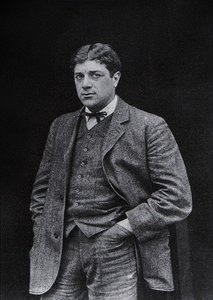
Georges Braque (1882-1963) stands as one of the titans of 20th-century art, inextricably linked to Pablo Picasso in the genesis of Cubism—a movement that irrevocably altered artistic perception and challenged traditional representational conventions. Born in Argenteuil, France, Braque’s formative years were steeped in the traditions of his family’s profession as house painters and decorators, fostering an early appreciation for form and structure that would profoundly influence his artistic trajectory. This grounding in craftsmanship combined with rigorous academic training at the École des Beaux-Arts in Le Havre provided him with a formidable intellectual arsenal as he embarked on his journey toward artistic innovation.- Early Influences: Braque’s initial explorations encompassed landscapes and Impressionistic techniques, mirroring the stylistic currents of his time. However, it was his encounter with Cézanne—particularly Cézanne's masterful manipulation of perspective and spatial relationships—that ignited a transformative impulse. Cézanne’s insistence on depicting objects from multiple viewpoints served as a crucial catalyst for Braque’s conceptual breakthrough.
- The Birth of Cubism: Alongside Picasso, Braque spearheaded the development of Analytical Cubism (1908-1912), characterized by fragmentation and geometric simplification—a radical departure from naturalistic depiction. The iconic *Houses at L'Estaque* exemplifies this approach, presenting a fractured vista of Provençal architecture dissected into interlocking planes of color and gray.
- Synthetic Cubism (1912-1914): Braque’s artistic vision expanded beyond mere geometric abstraction with Synthetic Cubism, incorporating collage elements—primarily newspaper fragments—to enrich the textural dimension of his canvases. This technique signaled a move toward exploring new expressive possibilities and blurring the boundaries between painting and sculpture.
Teapot and Fruit: A Study in Tactile Space
“The hard-and-fast rules of perspective … were a ghastly mistake which…has taken four centuries to redress,” Braque famously declared in 1957, encapsulating his unwavering commitment to dismantling established artistic dogma. *Teapot and Fruit*, created around 1950, embodies this ethos—a masterful distillation of Braque’s mature style that prioritizes tactile experience over illusionistic representation. Unlike the fractured planes of Analytical Cubism, this still life eschews geometric fragmentation in favor of a more organic approach.- Color Palette and Composition: The painting utilizes an earthy color palette—greens, greys, blacks, browns, and yellows—creating a harmonious interplay of hues that subtly guides the viewer’s gaze. Braque skillfully employs color contrast to heighten visual impact, as exemplified by the vibrant green grapes juxtaposed against the monochrome surface of the tabletop.
- Spatial Depth: The composition establishes a distinct foreground and background, emphasizing the materiality of the objects depicted—particularly the textured surface of the table—which invites contemplation on the interplay between volume and color. Braque’s deliberate positioning of the teapot and fruit contributes to an elevated vantage point, fostering a sense of intimacy and immediacy.
- Symbolism: The inclusion of simple everyday items—the teapot, grapes, bowl—reflects Braque's fascination with capturing the essence of bourgeois life and conveying a profound appreciation for beauty found in the commonplace. These objects serve as conduits for exploring themes of stillness, contemplation, and sensory experience—values central to Braque’s artistic philosophy.
Legacy and Influence
Georges Braque's contribution to modern art transcends stylistic innovation; he fundamentally reshaped our understanding of visual perception. His pioneering exploration of collage and his unwavering dedication to challenging conventional perspectival conventions paved the way for subsequent generations of artists—including Picasso, Matisse, Warhol, and countless others—who embraced experimental techniques and interrogated established artistic hierarchies. Braque’s enduring legacy resides not merely in his iconic artworks but also in his profound influence on the trajectory of art history itself—a testament to his genius as a visionary artist and intellectual provocateur.Pitanja i odgovori
Koliki je intenzitet boja kod dela „Teapot and Fruit”, autor Жорж Брак?
Intenzitet boja dela "Teapot and Fruit" je Monochromatic. Intenzitet opisuje koliko boje deluju snažno.
Koji umetnički pravac obuhvata „Teapot and Fruit”, autor Жорж Брак?
Umetnički pravac koji se povezuje sa delom „Teapot and Fruit”, autor Жорж Брак je Cubist Still Life. Ova klasifikacija smešta rad među srodne umetnike i umetnička dela.
Da li „Teapot and Fruit”, autor Жорж Брак koristi jake kontraste ili nežne harmonije?
U delu "Teapot and Fruit", Statement kontrast je uparen sa Unified Palette harmonijom.


 Pređi na štampu


 Za umetnička dela ili reprodukcije čija je bilo koja strana veća od 105 cm (približno 41 inč), okvir će biti isporučen u obliku rastavljenog seta za sklapanje. Ovaj metod osigurava bezbednu dostavu i sprečava oštećenja tokom transporta.


