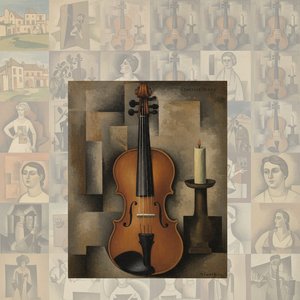
1961. Oil On Canvas.

§ 1Catalogue data


Ovo umetničko delo je zaštićeno autorskim pravima
Umetničko delo prikazano na ovoj stranici zaštićeno je autorskim pravima, što znači da zakonski nismo u mogućnosti da kreiramo niti prodajemo identičnu reprodukciju. Ova zaštita se sprovodi u skladu sa međunarodnim sporazumima kao što su Bernska konvencija i nacionalnim zakonima, uključujući i one koji su definisani u Američki zakon o autorskom pravu – Naslov 17.
Kao poštovana i legalna alternativa, nudimo prilagođene, ručno oslikane umetničke radove inspirisane originalom. Naši stručni i profesionalni umetnici pažljivo proučavaju stil, ambijent i umetničku suštinu originala kako bi kreirali novo, unikatno delo koje budi istu emociju – ostajući pritom potpuno autentično stvaranje.
Ovaj metod je u potpunosti usklađen sa regulativama o autorskim pravima jer ne podrazumeva kopiranje ili dupliranje zaštićenih umetničkih dela. Umesto toga, reč je o kreativnoj reinterpretaciji – novom slikarskom delu koje je inspirisano originalom, ali nije identično njemu.
 Pročitajte više
§ 2Abstract
Opis predmeta
Explore Georges Braque’s ‘The Bicycle,’ a surreal Fauvist masterpiece! Vibrant colors & expressive brushwork depict stillness through dynamic abstraction. A unique art piece.
Biografija umetnika
Жртва је био револуционар у модерној сликарству, познат по својим делима као што су Домови код Ла’Естаке и Пацијент, који су преобразили начин представљања света кроз аналитичну кубистичку технику и експериментисање са колажом.
§ 3Commentary
A Vision of Modernity: Decoding Braque’s ‘The Bicycle’
Georges Braque's 1961 painting, *The Bicycle*, is far more than a depiction of a common object; it’s a compelling exploration of modernity, movement, and the evolving relationship between humanity and technology. While Braque is celebrated as a pioneer of Cubism, this work reveals his continued engagement with Fauvist principles – a vibrant palette and expressive brushwork – applied to a subject matter that speaks to the burgeoning 20th century.Subject & Composition: Stillness Within Motion
The painting centers around a bicycle, an emblem of freedom and progress at the time. However, Braque doesn’t present it in dynamic action. Instead, the bicycle appears almost suspended, static within a swirling composition of abstracted forms and bold colors. This deliberate stillness invites contemplation – what does this symbol of movement *mean* when divorced from motion? The surrounding shapes aren't merely background; they seem to interact with the bicycle, perhaps representing the environment it traverses or even the rider’s experience.Style & Technique: Fauvism Reimagined
Braque masterfully employs a Fauvist sensibility in *The Bicycle*. The canvas explodes with intense hues – purples, pinks, and blues dominate, creating a dreamlike atmosphere. His brushstrokes are visible and energetic, contributing to the painting’s overall dynamism despite the bicycle's stillness. This isn’t a precise rendering; it’s an emotional response *to* the object, conveyed through color and texture. The impasto technique – applying paint thickly – adds depth and physicality to the work, drawing the viewer in.Historical Context: Post-War Reflections
Painted in 1961, after the devastation of World War II, *The Bicycle* can be interpreted as a reflection on rebuilding and reimagining life. The bicycle, though simple, represents personal transportation and independence – qualities that would have resonated deeply during a period of recovery and societal shift. Braque’s continued exploration of non-Cubist styles in his later years demonstrates an artistic restlessness and a desire to continually redefine his approach.Symbolism & Emotional Impact: A Fragmented Dreamscape
The ambiguity inherent in the painting is key to its power. The distorted forms and surreal atmosphere evoke a sense of unease, perhaps mirroring the anxieties of the modern world. Is this bicycle a symbol of hope or a relic of a bygone era? The lack of clear narrative allows for multiple interpretations, making it a deeply personal experience for each viewer. It’s a fragmented dreamscape where recognizable elements are juxtaposed with fantastical shapes, prompting questions about identity, progress, and the human condition.Braque's Legacy: Beyond Cubism
While Braque is rightfully remembered as a founding father of Cubism alongside Pablo Picasso, works like *The Bicycle* demonstrate his versatility and enduring artistic vision. He wasn’t confined by labels; he continually experimented with different styles and techniques throughout his career. This painting serves as a reminder that even the most groundbreaking artists are capable of surprising us with new facets of their creativity.Collecting & Interior Design
A reproduction of *The Bicycle* would be a striking addition to any art collection or interior space. Its bold colors and dynamic composition make it a focal point, while its underlying themes invite conversation and contemplation. It complements modern and contemporary interiors particularly well, adding a touch of intellectual sophistication and artistic flair. The painting’s energy can enliven a living room, study, or office, sparking creativity and inspiring thought.- Style: Fauvism, Modern Art
- Technique: Oil on Canvas, Impasto
- Colors: Purple, Pink, Blue, with vibrant accents
- Emotional Impact: Thought-provoking, Surreal, Dynamic yet Still
Pitanja i odgovori
Gde se preporučuje izlaganje dela "The Bicycle" u formatu Portrait?
Format Portrait dela „The Bicycle”, autor Жорж Брак preporučuje se za Living Room. Format i prostor zajedno služe kao smernica za postavljanje reprodukcije.
O kojoj vrsti umetničkog dela je reč kod „The Bicycle”, autor Жорж Брак?
"The Bicycle" je delo u tehnici WallArt.
Kako se medijum i pokret spajaju u delu "The Bicycle"?
„The Bicycle”, autor Жорж Брак spaja tehniku Oil On Canvas sa stilom Cubism. Tehnika i pravac opisuju način izrade i stil dela.


 Pređi na štampu


 Za umetnička dela ili reprodukcije čija je bilo koja strana veća od 105 cm (približno 41 inč), okvir će biti isporučen u obliku rastavljenog seta za sklapanje. Ovaj metod osigurava bezbednu dostavu i sprečava oštećenja tokom transporta.