


 Pregledaj u prostoru
 Podeli
 Podeli
 Detalji
 Vodič
Vodič

 Preuzmi sliku
 Slični predmeti
 Rendgenski snimak
 Automatska prezentacija
 Statistika
The Billiard Table
 Oil On Canvas
- WallArt
- Cubism
 1944
1944- Modern
 129.0 x 193.0 cm
 Pročitaj više
Umetničko delo prikazano na ovoj stranici zaštićeno je autorskim pravima, što znači da zakonski nismo u mogućnosti da kreiramo niti prodajemo identičnu reprodukciju. Ova zaštita se sprovodi u skladu sa međunarodnim sporazumima kao što su Bernska konvencija i nacionalnim zakonima, uključujući i one koji su definisani u Američki zakon o autorskom pravu – Naslov 17.
Kao poštovana i legalna alternativa, nudimo prilagođene, ručno oslikane umetničke radove inspirisane originalom. Naši stručni i profesionalni umetnici pažljivo proučavaju stil, ambijent i umetničku suštinu originala kako bi kreirali novo, unikatno delo koje budi istu emociju – ostajući pritom potpuno autentično stvaranje.
Ovaj metod je u potpunosti usklađen sa regulativama o autorskim pravima jer ne podrazumeva kopiranje ili dupliranje zaštićenih umetničkih dela. Umesto toga, reč je o kreativnoj reinterpretaciji – novom slikarskom delu koje je inspirisano originalom, ali nije identično njemu.
Ručno rađena uljana reprodukcija
Ručno oslikano uljanim bojama na platnu u dimenzijama i okviru po vašem izboru, izrađeno po porudžbini od strane naših umetnika. ( Pređi na prodaju štampanih primeraka Pređi na prodaju digitalnih slika)




P118B дин10

P118H дин10

P118W дин10

P438Z дин10

P508JH дин12

P508YH дин12

P805H дин10

P805Z дин10

P919BZ дин10

P919G дин10

P919XJ дин10

P959ZH дин10

P968JZ дин12

W106C дин8

W218G дин10

W218JH дин8

W218Y дин10

W307PJ дин10

W316G дин10

W316PJ дин8

W316Y дин10

W398PJ дин8

W4111J дин10

W500HY дин15

W500JH дин15

W692G дин12

W849H дин8

W940BG дин15

W953PJ дин8




Izaberite jednu od naših unapred definisanih veličina koje odgovaraju originalnim proporcijama umetničkog dela.

Unesite širinu i visinu koja vam je potrebna, kako bi se uklopili u vaš ram ili zid. Pošto je ovo ručno oslikano delo, umetnik može naslikati malo više prostora oko slike ili malo skratiti ivice za dimenzije drugačijeg oblika — izbor je na vama. Pre početka rada, poslaćemo vam digitalni prikaz radi potvrde. Slika prikazana na ovoj stranici ne predstavlja konačan rezultat — samo digitalni prikaz pokazuje stvarnu sliku.
Nakon narudžbine, tim AllPaintingsStore.com će klijentu putem e-pošte poslati uputstva i dostaviti prikaz predloženog rešenja
Svetska isporuka () za 3/4 nedelje umesto uobičajenih 5 nedelja. (26 октобар). Bez kompromisa po pitanju kvaliteta.

Besplatna ekspresna dostava širom sveta

Visokokvalitetno laneno platno

Sveobuhvatno osiguranje transporta

Garancija povraćaja carine i uvoznih dažbina

Garancija vernosti boja i autentičnosti pri reprodukciji

Politika povraćaja u roku od 100 dana (samo u slučaju nedostataka)

Garancija povrata 100% novca

Popust pri većoj količini
 Opcija sa staklom dostupna je samo za dimenzije manje od 110 cm

The Billiard Table
Tehnika izrade reprodukcije
Veličina reprodukcije
-


Ukupna cena
дин 26604
A Fragmented World: Exploring Georges Braque’s *The Billiard Table* (1944)
Georges Braque's *The Billiard Table*, painted in 1944, is a compelling example of his mature Cubist style – a visual language he pioneered alongside Pablo Picasso. Measuring an impressive 129 x 193 cm, this oil on canvas doesn’t simply depict a billiard table; it dissects and reassembles our perception of space and form, inviting us into a world both familiar and profoundly altered.Subject & Composition: Beyond the Game
The painting presents a still life centered around a billiard table, but Braque moves far beyond simple representation. Chairs, vases, architectural fragments – all are present, yet rendered as fractured planes and overlapping geometric shapes. The composition isn’t anchored by traditional perspective; instead, multiple viewpoints collide on the canvas, creating an ambiguous and dynamic space. It's less about *seeing* a billiard room and more about experiencing its essence through fragmented impressions. The objects aren’t merely arranged; they are analyzed and rebuilt.Style & Technique: A Master of Synthetic Cubism
Braque’s style in *The Billiard Table* leans heavily towards Synthetic Cubism, a phase where the artist began to build up compositions from simplified shapes and colors rather than breaking down objects into analytical fragments. The dominant palette is one of warm, earthy tones – ochres, browns, grays – contributing to a sense of intimacy and quiet contemplation. The thick impasto brushstrokes are crucial, adding texture and physicality to the surface, emphasizing the materiality of the paint itself. Lines are angular and broken, reinforcing the fractured perspective and creating a visual rhythm that guides the eye across the canvas.Historical Context: Art in Wartime
Painted during World War II, *The Billiard Table* exists within a complex historical context. While not explicitly referencing the war, its fragmented nature can be interpreted as reflecting the disruption and uncertainty of the era. Braque, like many artists, retreated into interior spaces and still life compositions during this period, focusing on formal concerns rather than direct social commentary. However, the sense of unease and dislocation inherent in the Cubist style arguably resonates with the anxieties of wartime Europe.Symbolism & Emotional Impact: Contained Chaos
The symbolism within *The Billiard Table* is subtle but potent. The billiard table itself, a symbol of leisure and social interaction, is rendered as disjointed and incomplete. This could suggest a disruption of normalcy or a sense of loss. The overall effect isn’t one of chaos, but rather of contained chaos – a carefully constructed arrangement that hints at underlying tensions. The painting evokes a dreamlike state, prompting viewers to question their own perceptions of reality and space. It's an intellectually stimulating work that rewards close observation and contemplation.For Collectors & Designers: A Timeless Statement
*The Billiard Table* is more than just a historical artifact; it’s a timeless statement about the power of abstraction and the enduring appeal of Cubism. Its sophisticated color palette and dynamic composition make it a striking focal point for any interior space.- Its earthy tones complement both modern and traditional settings.
- The fragmented forms add visual interest and intellectual depth.
- A high-quality reproduction captures the texture and nuance of Braque’s brushwork, bringing a touch of artistic mastery to your home or office.
Pitanja i odgovori
Koji umetnik se pripisuje delu "The Billiard Table"?
Delo "The Billiard Table" je kreirao/la Жорж Брак. Informacije na ovoj stranici opisuju originalno delo umetnika Жорж Брак.
Za šta se predlaže upotreba dela „The Billiard Table”, Жорж Брак?
Predložena upotreba za „The Billiard Table”, Жорж Брак je Statement. Može služiti i u druge svrhe.
Koju emociju prenosi „The Billiard Table”, Жорж Брак?
Emocionalni ton zabeležen za „The Billiard Table”, Жорж Брак je Reflective. On sažima osećaj koji ovo delo izražava.
Srodna umetnička dela


Biografija umetnika
Early Life and Artistic Foundations
Georges Braque, geboren in Argenteuil, Frankreich, im Jahr 1882, begann eine Lebensbahn tief verwurzelt in der sich entwickelnden Landschaft der modernen Kunst. Seine Kindheit innerhalb einer Familie von Hausmalern und Dekorateuren vermittelte ihm nicht nur technische Meisterschaft über Materialien, sondern auch eine frühe Wertschätzung für Form und Struktur. Obwohl er zunächst seinem Vater folgte und dessen Beruf ausübte, führten seine natürlichen künstlerischen Neigungen ihn bald zu einer Ausbildung am École des Beaux-Arts in Le Havre hinweg, wodurch sein Weg zum Erreichen eines der einflussreichsten Maler des 20. Jahrhunderts begann. Diese Grundlage – eine Mischung aus praktischem Handwerk und akademischem Studium – würde sich als entscheidend herausstellen, als er später traditionelle künstlerische Konventionen aufbrach und neu imaginierte.
Er zog im Jahr 1902 nach Paris um und setzte seine Ausbildung an der Académie Humbert fort, indem er sich in der lebhaften künstlerischen Umgebung der Stadt eintauchte. Dort lernte er Künstler wie Marie Laurencin und Francis Picabia kennen und schuf Verbindungen, die seinen frühen Entwicklungsprozess prägten. Seine ersten Arbeiten reflektierten die vorherrschenden Einflüsse von Impressionismus und Post-Impressionismus, aber ein entscheidender Begegnung mit der lebhaften Farbe und dem expressiven Freiheitsgefühl des Fauvismus im Jahr 1905 entzündete eine neue Richtung in seiner künstlerischen Erkundung.
The Embrace of Fauvism and the Dawn of Cubism
Braques Übernahme von Fauvist Prinzipien – gekennzeichnet durch intensive, nicht natürliche Farbe und emotionale Ausdruckskraft – wird eindrucksvoll dargestellt in Gemälden wie Die Geduld. Diese Periode sah ihn bei der Arbeit mit Künstlern wie Henri Matisse und André Derain, die mit lebhaften Farbpaletten und vereinfachten Formen experimentierten. Braques Engagement mit Fauvismus war jedoch nicht nur imitativ; er infundierte es mit einer einzigartigen Sensibilität und ließ damit die ungezügelte Ekstase der Bewegung mit einem ausgeglicheneren und analytischeren Ansatz maßstabieren.
Ein Wendepunkt gelang ihm im Jahr 1907 durch seine Begegnung mit der Retrospektive Ausstellung von Paul Cézannes Werk. Cézannes Betonung geometrischer Formen und mehrfacher Perspektiven hatte tiefgreifenden Einfluss auf Braque und bereitete den Weg für seine bahnbrechende Zusammenarbeit mit Pablo Picasso vor. Seit 1908 begannen diese beiden künstlerischen Titanen eine intensive intellektuelle Begegnung, die zur Geburt von Kubismus führte – einer revolutionären Bewegung, die traditionelle Vorstellungen von Darstellung zerstörte.
Gemeinsam entwickelten Braque und Picasso Analytical Cubism, indem sie Objekte in fragmentierte geometrische Formen zerteilten und mehrere Perspektiven gleichzeitig präsentierten. Werke wie Haus Nr. L'Estaque demonstrieren diese frühe Phase und zeigen damit einen radikalen Bruch mit konventioneller Perspektive und eine Fokussierung auf die zugrunde liegende Struktur von Formen.
Innovation Through Fragmentation and Collage
Die Zusammenarbeit zwischen Braque und Picasso setzte sich fort und drängte die Grenzen künstlerischen Ausdrucks hinaus, was zur Entwicklung von Synthetischem Kubismus um 1912 führte. Diese Phase brachte die Einführung von Collage ein – die Aufnahme echter Weltmaterialien wie Zeitungsartikel, Tapeten und Stoff in Gemälde. Diese Innovation stellte die hierarchische Beziehung zwischen Malerei und Bildhauerei in Frage und verschwärte die Grenzen zwischen Kunst und Leben.
Braques Pionierarbeit mit *papier collé* (pasted paper) markierte einen bedeutenden Wendepunkt in seiner künstlerischen Entwicklung. Indem er Fragmente alltäglicher Objekte in seine Kompositionen integrierte, störte er den illusionistischen Raum traditioneller Malerei und brachte damit eine neue Ebene der Materialität und Textur hervor. Diese Technik erweiterte nicht nur die formalen Möglichkeiten von Kunst, sondern spiegelte auch ein wachsendes Interesse an der Beziehung zwischen Darstellung und Realität wider.
Die Ausbruch des Ersten Weltkriegs im Jahr 1914 unterbrach diese intensive Zusammenarbeit, als Braque zum Militärdienst verpflichtet wurde. Seine Kriegserfahrungen prägten seine künstlerische Vision tiefgreifend und führten ihn dazu, persönlichere und lyrische Themen in seinen Nachkriegsarbeiten zu erkunden.
Later Years and Enduring Legacy
Nach dem Krieg entwickelte sich Braques Stil über die engen Grenzen von Kubismus hinaus und integrierte Elemente klassischer Komposition und ein erneutes Interesse an Landschaftsgemälden. Während er die geometrischen Einflüsse bewahrte, die seine frühere Arbeit definiert hatten, entwickelte er einen nuancierteren und kontemplativeren Ansatz zum Malen. Seine späteren Landschaften und Innenräume zeichnen sich durch ihre ruhige Atmosphäre und subtile Harmonie von Farbe aus.
Er blieb seinen gesamten Karriere über seinem Ziel verpflichtet, die grundlegenden Prinzipien von Form, Raum und Darstellung zu erforschen. Er experimentierte weiterhin mit verschiedenen Materialien und Techniken und drängte damit die Grenzen künstlerischen Ausdrucks bis zu seinem Tod im Jahr 1963.
Braques Vermächtnis geht über seine einzelnen Gemälde hinaus; er veränderte grundlegend unser Verständnis davon, wie wir die Welt um uns herum wahrnehmen und darstellen. Seine Zusammenarbeit mit Picasso, geprägt von seinem einzigartigen künstlerischen Blickwinkel sowie seinem eigenen Mut zur Herausforderung von Konventionen und zum Neuwirken der Möglichkeiten von Malerei festigte seinen Platz als echter Pionier moderner Kunst – ein Meister, der sich nicht scheute, Traditionen aufzubrüchen und die Entwicklung der modernen Kunst zu prägen.
Influences and Notable Works
- Influenced By: Henri Matisse, André Derain, Paul Cézanne
- Key Works: Houses at L'Estaque, The Patience, Violin and Palette, Mandola
- Impact on Art History: Revolutionized 20th-century art through Cubism; challenged traditional notions of perspective and representation.
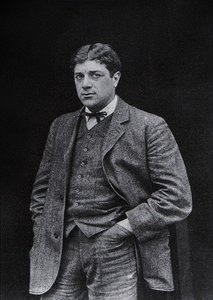
Жорж Брак
1882 - 1963 , Франција
Brzi pregled
- Artistic Movement Or Style: Кубизам и Фавизам
- Artists Or Movements Influenced By This Artist: ['Пабло Пикасо']
- Artists Who Influenced This Artist:
- Анри Матис
- Андре Деран
- Пол Цезан
- Date Of Birth: Мај 13, 1882
- Date Of Death: 1963
- Full Name: Georges Braque
- Nationality: Француски
- Notable Artworks:
- Дома код Л'Естаке
- Трпење
- Виолин и Палета
- Place Of Birth: Аргентеуил, Француска
Srodni članci

25 Remek-dela Žorža Seurea: Putovanje kroz Svet Tačizma i Impresionističke Revolucije
Istražite 25 remek-dela Žorža Seurea i uronite u svet tačizma i impresionističke revolucije. Otkrijte priče iza slika, tehnike i inspiraciju ovog francuskog umetnika. Reprodukcije vrhunskog kvaliteta dostupne na AllPaintingsStore.com!

Sandstone & Sunlight: 10 Masterpieces of Earth-Toned Art |
Journey through 10 iconic paintings bathed in 'sand' tones – from Van Gogh to Monet. Explore the stories, techniques & warm palettes of these timeless masterpieces. Find museum-quality art reproductions at and bring classic beauty home.

Deconstructing Reality: A Comprehensive Exploration of Cubist Still Life
Explore the revolutionary world of Cubist Still Life with AllPaintingsStore. Discover Picasso & Braque's groundbreaking techniques, its philosophical roots, and lasting impact on modern art. Expert insights for collectors.
Georges Braque: 25 Remek-dela Kubizma za Inspirisanje Vašeg Doma | AllPaintingsStore
Istražite 25 remek-dela Georges Braquea, pionira kubizma. Otkrijte priče iza slika, tehnike i inspiraciju za dizajn enterijera. Reprodukcije vrhunskog kvaliteta dostupne na AllPaintingsStore.com! Pronađite savršeno umetničko delo online.

Earthy Hues & Masterpieces: Top 10 Paintings with 'Mushroom' Tones |
Explore 10 iconic paintings with captivating 'mushroom' tones! Discover Van Gogh, Monet & Rembrandt’s masterpieces—earthy palettes, rich history & artistic techniques. Find museum-quality art reproductions and curated decor ideas at


