Garancija povraćaja novca · 100 dana Besplatna dostava širom sveta
449.587umetnička dela 30.613umetnici 4.660muzeji 32jezici
Valuta
    Jezik
      Atelje · Osnovan 2015. · Pariz, Francuska
      AllPaintingsStore
      allpaintingsstore.com
      Catalogue entry

      untitled (8872)

      Acrylic On Canvas.

      Fig. 1. Жорж Брак, untitled (8872). Shown as the reproduction you are specifying: , .

      § 1Catalogue data

      § 2Abstract

      Opis predmeta

      Biografija umetnika

      Жртва је био револуционар у модерној сликарству, познат по својим делима као што су Домови код Ла’Естаке и Пацијент, који су преобразили начин представљања света кроз аналитичну кубистичку технику и експериментисање са колажом.

      § 3Commentary

      Georges Braque’s “Untitled (8872): A Fragment of Urban Resonance

      The painting, tentatively titled "Untitled (8872)," presents a striking visual meditation on the intersection of human presence and architectural form—a hallmark of Georges Braque's groundbreaking contribution to Cubism. Executed around 1908-1910, this artwork embodies the spirit of experimentation that defined the era’s artistic vanguard, marking it as an exceptional piece within Braque’s oeuvre and a pivotal moment in the history of modern art. Its muted palette—primarily browns and whites—creates a tranquil yet subtly unsettling atmosphere, inviting contemplation on the complexities of perception and representation.

      Subject Matter and Composition: Deconstructing Reality

      At first glance, “Untitled (8872)” depicts a solitary figure positioned centrally against a backdrop of buildings. However, Braque deliberately dismantles traditional perspective, fracturing the scene into geometric planes that overlap and intersect—a technique central to Cubism’s revolutionary challenge to representational illusion. The man's outstretched arms gesture outwards, seemingly attempting to grasp at an elusive horizon or perhaps conveying a yearning for connection amidst the rigid structure of urban space. This deliberate fragmentation isn’t merely stylistic; it reflects Braque’s philosophical preoccupation with capturing not just what is seen but also how it feels—the underlying essence of experience itself.

      Cubist Technique: Fragmentation and Collage

      Braque's mastery of Cubist technique is evident in the meticulous layering of textures and colors achieved through a combination of oil paint and collage elements. Fragments of newspaper or cardboard are incorporated into the composition, mirroring Picasso’s approach and furthering the movement’s exploration of materiality beyond mere imitation. The artist employs a reductive style—reducing forms to their essential geometric shapes—to emphasize spatial relationships rather than visual accuracy. This process underscores Cubism's ambition to depict multiple viewpoints simultaneously, disrupting the viewer’s accustomed sensory expectations.

      Historical Context: Fauvism and Picasso’s Influence

      “Untitled (8872)” emerged during a period of intense artistic ferment, coinciding with Braque’s collaboration with Pablo Picasso on the development of Cubism. Influenced by Cézanne's explorations of form and structure, both artists rejected Impressionistic conventions in favor of a more intellectually rigorous aesthetic. The painting stands as testament to the burgeoning interest in abstraction—a reaction against academic realism—and anticipates the broader artistic movements that would shape the subsequent decades. It’s important to note Braque’s earlier foray into Fauvism, where he embraced bold, expressive colors – a stylistic departure that foreshadowed his later embrace of Cubist principles.

      Emotional Resonance: Quiet Intensity

      Despite its seemingly austere visual language, “Untitled (8872)” possesses a palpable emotional depth. The muted tones contribute to an aura of contemplative stillness, prompting viewers to consider the figure’s posture and gesture as expressions of vulnerability and aspiration. Braque's subtle manipulation of light and shadow enhances this sense of intimacy, inviting reflection on themes of solitude, observation, and the human condition within the context of a rapidly changing urban environment. This artwork continues to inspire admiration for its innovative approach to artistic representation and its enduring capacity to evoke profound emotional responses.

      Pitanja i odgovori

      Koliko je "untitled (8872)" ukupno svetla?

      Sveukupno, "untitled (8872)" je zabeležen kao balanced. Percepcija osvetljenosti opisuje koliko delo deluje svetlo ili tamno.

      Kojom tehnikom i stilom se odlikuje „untitled (8872)”, autor Жорж Брак?

      „untitled (8872)”, autor Жорж Брак spaja tehniku Acrylic On Canvas sa stilom Cubist Exploration. Tehnika i pravac opisuju način izrade i stil dela.

      Na koji način se nacionalni poreklom povezuje sa Cubist Exploration dela "untitled (8872)"?

      "untitled (8872)" povezuje pokret Cubist Exploration sa Франција kroz rodno mesto svog tvorca.
      § 4The artist

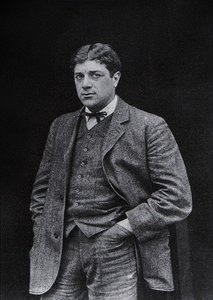
      Жорж Брак

      Жорж Брак

      1882 - 1963, Франција

      Osnovne informacije

      • Artistic Movement Or Style: Кубизам и Фавизам
      • Artists Or Movements Influenced By This Artist: ['Пабло Пикасо']
      • Artists Who Influenced This Artist:
        • Анри Матис
        • Андре Деран
        • Пол Цезан
      • Date Of Birth: Мај 13, 1882
      • Date Of Death: 1963
      • Full Name: Georges Braque
      • Nationality: Француски
      • Notable Artworks:
        • Дома код Л'Естаке
        • Трпење
        • Виолин и Палета
      • Place Of Birth: Аргентеуил, Француска

      Biografija umetnika

      Early Life and Artistic Foundations

      Georges Braque, geboren in Argenteuil, Frankreich, im Jahr 1882, begann eine Lebensbahn tief verwurzelt in der sich entwickelnden Landschaft der modernen Kunst. Seine Kindheit innerhalb einer Familie von Hausmalern und Dekorateuren vermittelte ihm nicht nur technische Meisterschaft über Materialien, sondern auch eine frühe Wertschätzung für Form und Struktur. Obwohl er zunächst seinem Vater folgte und dessen Beruf ausübte, führten seine natürlichen künstlerischen Neigungen ihn bald zu einer Ausbildung am École des Beaux-Arts in Le Havre hinweg, wodurch sein Weg zum Erreichen eines der einflussreichsten Maler des 20. Jahrhunderts begann. Diese Grundlage – eine Mischung aus praktischem Handwerk und akademischem Studium – würde sich als entscheidend herausstellen, als er später traditionelle künstlerische Konventionen aufbrach und neu imaginierte.

      Er zog im Jahr 1902 nach Paris um und setzte seine Ausbildung an der Académie Humbert fort, indem er sich in der lebhaften künstlerischen Umgebung der Stadt eintauchte. Dort lernte er Künstler wie Marie Laurencin und Francis Picabia kennen und schuf Verbindungen, die seinen frühen Entwicklungsprozess prägten. Seine ersten Arbeiten reflektierten die vorherrschenden Einflüsse von Impressionismus und Post-Impressionismus, aber ein entscheidender Begegnung mit der lebhaften Farbe und dem expressiven Freiheitsgefühl des Fauvismus im Jahr 1905 entzündete eine neue Richtung in seiner künstlerischen Erkundung.

      The Embrace of Fauvism and the Dawn of Cubism

      Braques Übernahme von Fauvist Prinzipien – gekennzeichnet durch intensive, nicht natürliche Farbe und emotionale Ausdruckskraft – wird eindrucksvoll dargestellt in Gemälden wie Die Geduld. Diese Periode sah ihn bei der Arbeit mit Künstlern wie Henri Matisse und André Derain, die mit lebhaften Farbpaletten und vereinfachten Formen experimentierten. Braques Engagement mit Fauvismus war jedoch nicht nur imitativ; er infundierte es mit einer einzigartigen Sensibilität und ließ damit die ungezügelte Ekstase der Bewegung mit einem ausgeglicheneren und analytischeren Ansatz maßstabieren.

      Ein Wendepunkt gelang ihm im Jahr 1907 durch seine Begegnung mit der Retrospektive Ausstellung von Paul Cézannes Werk. Cézannes Betonung geometrischer Formen und mehrfacher Perspektiven hatte tiefgreifenden Einfluss auf Braque und bereitete den Weg für seine bahnbrechende Zusammenarbeit mit Pablo Picasso vor. Seit 1908 begannen diese beiden künstlerischen Titanen eine intensive intellektuelle Begegnung, die zur Geburt von Kubismus führte – einer revolutionären Bewegung, die traditionelle Vorstellungen von Darstellung zerstörte.

      Gemeinsam entwickelten Braque und Picasso Analytical Cubism, indem sie Objekte in fragmentierte geometrische Formen zerteilten und mehrere Perspektiven gleichzeitig präsentierten. Werke wie Haus Nr. L'Estaque demonstrieren diese frühe Phase und zeigen damit einen radikalen Bruch mit konventioneller Perspektive und eine Fokussierung auf die zugrunde liegende Struktur von Formen.

      Innovation Through Fragmentation and Collage

      Die Zusammenarbeit zwischen Braque und Picasso setzte sich fort und drängte die Grenzen künstlerischen Ausdrucks hinaus, was zur Entwicklung von Synthetischem Kubismus um 1912 führte. Diese Phase brachte die Einführung von Collage ein – die Aufnahme echter Weltmaterialien wie Zeitungsartikel, Tapeten und Stoff in Gemälde. Diese Innovation stellte die hierarchische Beziehung zwischen Malerei und Bildhauerei in Frage und verschwärte die Grenzen zwischen Kunst und Leben.

      Braques Pionierarbeit mit *papier collé* (pasted paper) markierte einen bedeutenden Wendepunkt in seiner künstlerischen Entwicklung. Indem er Fragmente alltäglicher Objekte in seine Kompositionen integrierte, störte er den illusionistischen Raum traditioneller Malerei und brachte damit eine neue Ebene der Materialität und Textur hervor. Diese Technik erweiterte nicht nur die formalen Möglichkeiten von Kunst, sondern spiegelte auch ein wachsendes Interesse an der Beziehung zwischen Darstellung und Realität wider.

      Die Ausbruch des Ersten Weltkriegs im Jahr 1914 unterbrach diese intensive Zusammenarbeit, als Braque zum Militärdienst verpflichtet wurde. Seine Kriegserfahrungen prägten seine künstlerische Vision tiefgreifend und führten ihn dazu, persönlichere und lyrische Themen in seinen Nachkriegsarbeiten zu erkunden.

      Later Years and Enduring Legacy

      Nach dem Krieg entwickelte sich Braques Stil über die engen Grenzen von Kubismus hinaus und integrierte Elemente klassischer Komposition und ein erneutes Interesse an Landschaftsgemälden. Während er die geometrischen Einflüsse bewahrte, die seine frühere Arbeit definiert hatten, entwickelte er einen nuancierteren und kontemplativeren Ansatz zum Malen. Seine späteren Landschaften und Innenräume zeichnen sich durch ihre ruhige Atmosphäre und subtile Harmonie von Farbe aus.

      Er blieb seinen gesamten Karriere über seinem Ziel verpflichtet, die grundlegenden Prinzipien von Form, Raum und Darstellung zu erforschen. Er experimentierte weiterhin mit verschiedenen Materialien und Techniken und drängte damit die Grenzen künstlerischen Ausdrucks bis zu seinem Tod im Jahr 1963.

      Braques Vermächtnis geht über seine einzelnen Gemälde hinaus; er veränderte grundlegend unser Verständnis davon, wie wir die Welt um uns herum wahrnehmen und darstellen. Seine Zusammenarbeit mit Picasso, geprägt von seinem einzigartigen künstlerischen Blickwinkel sowie seinem eigenen Mut zur Herausforderung von Konventionen und zum Neuwirken der Möglichkeiten von Malerei festigte seinen Platz als echter Pionier moderner Kunst – ein Meister, der sich nicht scheute, Traditionen aufzubrüchen und die Entwicklung der modernen Kunst zu prägen.

      Influences and Notable Works

      • Influenced By: Henri Matisse, André Derain, Paul Cézanne
      • Key Works: Houses at L'Estaque, The Patience, Violin and Palette, Mandola
      • Impact on Art History: Revolutionized 20th-century art through Cubism; challenged traditional notions of perspective and representation.

      § 5Comparanda

      § 6Questions

      Osnovne informacije

      • Artistic style: Analytical Cubism
      • Artist: Georges Braque
      • Location: Private Collection
      • Movement: Cubism
      • Subject or theme: Urban Landscape

      Kviz o umetnosti

      Svako pitanje ima samo jedan tačan odgovor.

      Pitanje 1:
      What artistic movement is Georges Braque primarily associated with?
      Pitanje 2:
      The painting utilizes a predominantly earthy color palette. Which colors dominate the scene?
      Pitanje 3:
      Based on the description, what is the central figure in the artwork doing?
      Pitanje 4:
      The image description mentions buildings in the background. What stylistic element does this contribute to?
      Pitanje 5:
      Georges Braque collaborated closely with Pablo Picasso during the development of Cubism. What was a key characteristic that distinguished their artistic approaches?

      § 7Further reading

      Cite this entry

      AllPaintingsStore.com, “Жорж Брак, untitled (8872)”, https://allpaintingsstore.com/sr/art/georges-braque-untitled-8872-9GEVQG-en/ArtistReproduction/ (accessed 1 октобар 2026).

      § 8The reproduction

      Ručno rađena uljana reprodukcija

      Ručno oslikano uljanim bojama na platnu u dimenzijama i okviru po vašem izboru, izrađeno po porudžbini od strane naših umetnika. ( Pređi na štampu Pređi na digitalnu sliku)

      It is specified on the order sheet in the margin; the present state of that sheet reads as follows.

      untitled (8872)

      Tehnika reprodukcije

      Dimenzije reprodukcije

      -

      Vrhunski maestri umetnosti

      Više detalja, prefinjenosti i dodatnog vremena za izradu

      -

      Okvir za reprodukciju

      -

      -

      Za umetnička dela ili reprodukcije čija je bilo koja strana veća od 105 cm (približno 41 inč), okvir će biti isporučen u obliku rastavljenog seta za sklapanje. Ovaj metod osigurava bezbednu dostavu i sprečava oštećenja tokom transporta.

      Potrebna je profesionalna montaža – ovo nije proizvod namenjen samostalnoj izradi.
      Set mora sastaviti i platno zategnuti iskusni profesionalni ramitelj, koristeći drveni lepak (nije uključen u set), hvataljku za zatezanje platna i stege kako bi se održao prav ugao okvira dok se lepak suši. Nepravilno sklapanje ili neravnomerno zategnuto platno mogu trajno oštetiti umetničko delo, što nije pokriveno našom garancijom.

      • Sve šipke od masivnog drveta su uključene, precizno isečene po veličini.

      • Montira se pomoću priloženih šrafova, uz dodatno korišćenje lepka za drvo za spojeve u uglovima, koji nije uključen u set i koji vaš čuvar okvira mora obezbediti.

      • Potreban je profesionalni alat koji nije uključen u set: klešta za zatezanje platna (zatezač) i stege za održavanje pravih uglova letvica tokom sušenja lepka.

      Važno:
      Za spojeve u uglovima neophodan je lepak za drvo, šipke se moraju pričvrstiti stezgama dok lepak potpuno ne osuši, a za zatezanje platna na sklopljenom ramu potrebne su hvataljke za zatezanje platna. Nijedan od ovih alata nije uključen u komplet. Pre naručivanja ove veličine, molimo Vas da unapred obezbedite iskusnog profesionalca za ramačenje.

      Kratki opis natpisa

      -

      -

      Zaštitni lak

      Sjajni lak (pojačava intenzitet boja, štiti od svetlosti i vlage)

      -

      Personalizujte svoje umetničko delo

      Primeri mogućnosti izmene: Zamena lica fotografijom kupca; Dodavanje ljubimca (npr. zamena mačke psom); Uključivanje skrivene poruke u pozadini; Promena pejzaža ili elemenata pozadine.

      -

      Hitna dostava

      Svetska isporuka () za 3/4 nedelje umesto uobičajenih 5 nedelja. (29 октобар). Bez kompromisa po pitanju kvaliteta.

      -

      Brza dostava

      Dostava širom sveta () u roku od 5 nedelja. (5 новембар).

      Uključeno u cenu

      Ukupna cena

      дин 26711

      Included with every order

      • Besplatna ekspresna dostava širom sveta
      • Visokokvalitetno laneno platno
      • Potpuno osiguranje transporta
      • Garancija povraćaja carine i uvoznih dažbina
      • Garancija vernosti boja
      • Politika povraćaja u roku od 100 dana (samo u slučaju nedostataka)
      • Garancija povrata 100% novca
      • Popust na više proizvoda
      Order sheet