


 Pregledaj u prostoru
 Pošalji
 Podeli
 Detalji o delu
 Vodič
Vodič

 Preuzmi
 Slični predmeti
 Rendgenski snimak
 Automatska prezentacija
 Pitanja i odgovori
 Statistika
Sometimes the road is Beautiful


 Pročitaj više
Umetničko delo prikazano na ovoj stranici zaštićeno je autorskim pravima, što znači da zakonski nismo u mogućnosti da kreiramo niti prodajemo identičnu reprodukciju. Ova zaštita se sprovodi u skladu sa međunarodnim sporazumima kao što su Bernska konvencija i nacionalnim zakonima, uključujući i one koji su definisani u Američki zakon o autorskom pravu – Naslov 17.
Ovaj metod je u potpunosti usklađen sa regulativama o autorskim pravima jer ne podrazumeva kopiranje ili dupliranje zaštićenih umetničkih dela. Umesto toga, reč je o kreativnoj reinterpretaciji – novom slikarskom delu koje je inspirisano originalom, ali nije identično njemu.
Giclee štampa / Umetnički otisak
Giclée štampa ili print na platnu muzejskog kvaliteta uz brzu izradu i raznovrsne opcije završne obrade. ( Kupite ručno oslikano delo Pređi na digitalnu sliku)




P118B дин10

P118H дин10

P118W дин10

P438Z дин10

P508JH дин12

P508YH дин12

P805H дин10

P805Z дин10

P919BZ дин10

P919G дин10

P919XJ дин10

P959ZH дин10

P968JZ дин12

W106C дин8

W218G дин10

W218JH дин8

W218Y дин10

W307PJ дин10

W316G дин10

W316PJ дин8

W316Y дин10

W398PJ дин8

W4111J дин10

W500HY дин15

W500JH дин15

W692G дин12

W849H дин8

W940BG дин15

W953PJ дин8




Izaberite jednu od naših unapred definisanih veličina koje odgovaraju originalnim proporcijama umetničkog dela.

Unesite željenu širinu i visinu kako bi se štampa uklopila u vaš ram ili zid. Štampu je moguće samo iseći, ali nikada povećati iznad dimenzija originalne slike, stoga format sa drugačijim proporcijama uzrokuje gubitak dela slike. Pre početka štampe, poslaćemo vam digitalni prikaz radi potvrde. Slika prikazana na ovoj stranici ne predstavlja stvarni isrez — to pokazuje samo digitalni prikaz.
Dostava širom sveta () za 2 nedelje umesto uobičajenih 4/5 nedelja. (4 новембар)

Besplatna ekspresna dostava širom sveta

Visokokvalitetno laneno platno

Potpuno osiguranje transporta

Garancija povraćaja carine i uvoznih dažbina

Garancija vernosti boja

Politika povraćaja u roku od 100 dana (samo u slučaju nedostataka)

Garancija povrata 100% novca

Popust na više proizvoda
 Opcija sa staklom dostupna je samo za dimenzije manje od 110 cm

Sometimes the road is Beautiful
Giclee štampa / Umetnički otisak
Dimenzije reprodukcije
-


Ukupna cena
дин 6784
A Haunting Meditation on Resilience
In the quiet, somber depths of Georges Rouault’s “Sometimes the road is Beautiful,” viewers are invited into a visceral exploration of the human condition. Rendered in a hauntingly evocative grayscale, this artwork transcends mere visual representation to become a profound meditation on suffering and the enduring strength of the spirit. The scene presents a stark, emotionally charged landscape where a group of figures huddle together against an indistinct backdrop under a heavy, cloudy sky. There is a palpable sense of melancholy within the composition, yet beneath the surface of despair lies a testament to the dignity found in shared experience and the resilience required to navigate life's most turbulent paths.
The emotional weight of the piece is carried by its masterful use of contrast and form. Rouault employs thick, assertive lines that pulsate with an almost rhythmic energy, delineating the figures and the landscape with uncompromising conviction. These are not delicate strokes; they are rough, expressive, and heavy, creating a sense of urgency that mirrors the anxieties of the era in which it was conceived. The composition utilizes a horizontal format where the background dominates, yet the clustering of bodies in the foreground creates a feeling of both unity and confinement. This tension between the vast, empty sky and the huddled, overlapping forms suggests a community bound together by their vulnerability.
The Artistry of Light and Shadow
Drawing deeply from his early training as a glass painter, Rouault utilizes a technique reminiscent of medieval stained glass artistry. Even within this monochromatic palette of blacks, whites, and varying shades of gray, there is a masterful manipulation of tonal contrast. The artist uses dark, heavy contours to frame lighter fields, creating a luminous effect that breathes life into the static forms. This method allows the figures to emerge from the shadows, emphasizing their presence and making their struggle feel immediate and tactile.
The technique itself—likely involving oil on canvas or similar layered media—reveals a loose, gestural approach. Visible brushstrokes add a layer of physical texture to the work, suggesting depth and movement even within a flattened perspective. The shapes are simplified, leaning into the principles of Expressionism, where the goal is not to replicate reality with photographic precision but to distort form for emotional truth. For the collector or interior designer, this piece offers a sophisticated focal point; its monochromatic elegance allows it to integrate seamlessly into modern, minimalist, or classical spaces, providing a soulful anchor that invites deep contemplation and conversation.
Symbolism and Historical Resonance
To look upon “Sometimes the road is Beautiful” is to witness a response to the spiritual uncertainties of its time. Created around 1917, amidst the devastating backdrop of World War I and the fervor of Parisian Expressionism, the work captures the disillusionment and profound empathy characteristic of Rouault’s vision. The central vertical element—perhaps a tree or a pole—stands as a silent sentinel within the landscape, potentially symbolizing faith, hope, or an insurmountable obstacle in the journey of life.
Every element of the piece serves a symbolic purpose: the heavy clouds represent the weight of existence, while the huddled postures of the figures speak to the necessity of human connection in times of hardship. The artwork does not shy away from the darkness; rather, it finds beauty within it, much like the title suggests. It is an invitation to find grace in the struggle and to recognize that even on the most difficult roads, there is a profound, quiet beauty to be found in the persistence of the human soul.
Pitanja i odgovori
Kako se „Sometimes the road is Beautiful”, autor Жорж Руо može iskoristiti u uređenju doma?
Preporučena upotreba (Mood) i prostor (Living Room) su dve opcije navedene za „Sometimes the road is Beautiful”, autor Жорж Руо.
Gde se mogu kupiti ručno oslikane kopije dela „Sometimes the road is Beautiful”, autor Жорж Руо?
Ručno oslikane kopije dela „Sometimes the road is Beautiful”, autor Жорж Руо mogu se kupiti na stranici ovaj sajt: ručno oslikana uljana reprodukcija na lanenom platnu, putem njihove stranice za naručivanje reprodukcija Ručno oslikana reprodukcija ulja na platnu.
Kako mogu da pronađem dela koja su slična delu „Sometimes the road is Beautiful”, autor Жорж Руо?
Umetnicka dela slična delu „Sometimes the road is Beautiful”, autor Жорж Руо prikupljena su na stranici Slična dela ovog umetničkog dela.
Srodna umetnička dela


Biografija umetnika
Живот у париским сенкама
Жорж Руо, рођен у Паризу 1871. године током бурних времена Комуне, проживео је живот дубоко утицан тешкоћама и духовном потрагом. Његове ране године провели су буквално у сенкама – његова породица се склонила у подрум током бомбардовања града, догађај који ће одјекивати кроз његов уметнички визију. Ово скромно почетак, заједно са религиозним васпитањем које је негује његова мајка, усадио му је дубоко саосећање према маргинализованима и онима који пате – теме које ће бити централне у његовом опусу. Није био предодређен за формално академско образовање; уместо тога, започео је учеништво као стаклар са четрнаест година, занат који је дубоко обликовао његову естетику. Живахне нијансе и смеле линије својствене витражним прозорима постали су основа његовог зрелог стила – карактеристична употреба тамних контура које оквирују светле бочене површине, подсећајући на средњовековну уметност. Ово рани урон није био само технички; био је духовни, усађујући му цењење за наративну моћ светлости и слике. Истовремено се посветио формалном школовању на École des Beaux-Arts, где је постао предани ученик Густава Мороа, чији су симболистички тежње даље неговали Руоову склоност ка емотивно наелектризованим темама.Од загрљаја Фовизма до дубине Експресионизма
Уметнички пут Жоржа Руоа није био пут тренутног признања или лаке категоризације. Иако је првобитно био под утицајем Симболиста, нашао се привучен растућим Фовистичким покретом раних двадесетих година 20. века. Спријатељио се са уметницима попут Анрија Матиса и Албера Маркеа, учествујући на изложбама заједно са њима, али му је темперамент увек управљао ка трезвенијем и интроспективнијем путу него чисто естетским истраживањима његових савременика. Живахне боје Фовизма служиле су као одскочна даска, али је Руо брзо надмашио њихове границе, удушавајући своја платна емоционалним интензитетом који је предвидео Експресионизам. Почео је да се фокусира на субјекте које често нису примећени или сматрани недостојним уметничке пажње: проститутке, клоунове, судије и затворенике. Ово нису били само прикази друштвених аутсајдера; то су били додирне алегорије за људско стање – истраживања греха, откупљења и својствене достојанства у патњи. Његове карактеризације, често гротескне али дубоко саосећајне, одразиле су растући осећај нелагодности и отуђености у модерном друштву, утичући на генерацију експресионистичких сликара који су тражили начин да пренесу унутрашње муке кроз изобличење облика и оштре боје.Морална компас на платну и штампи
Први светски рат се показао као преломни тренутак за Руоа, учврстивши његову посвећеност религиозној вери и продубљујући морални тежак рад његове уметности. Већим делом се повлачио из јавних изложби током овог периода, посветивши себе интензивно личним пројектима попут серије *Miserere* – монументалног циклуса отисака који приказују сцене људске патње инспирисане Псалмима. Ова дела, створена током више од деценије, су вероватно његово најмоћније и трајно достигнуће. Саме плоче су се понављале, одражавајући Руоову неуморну потрагу за емоционалном истином и духовним разумевањем. Није био заинтересован само за представљање; настојао је да зароби сирову суштину људског искуства – муку, очај, али и сјај наде који постоји чак и у најмрачнијим кутцима постојања. Осим *Miserere*, његова платна су наставила да истражују сличне теме, често са фигурама изолованим и оптерећеним својим околностима, али прожетим тихом достојанством. Његови прикази клоунова, на пример, нису били само комични; то су биле трагичне фигуре које оличавају апсурдност и усамљеност живота.Заоставштина страсти и духовног резонанса
Уметничка заоставштина Жоржа Руоа протеже се далеко ван његових техничких иновација или стилских припадности. Био је дубоко духовни уметник који је користио свој занат као средство моралног испитивања и емпатичке везе. Његов рад је оспорио конвенционална схватања лепоте, прихвативши ружну и патњу као саставне делове људског искуства. Оdbacio је чисто декоративно у корист уметности која је суочила гледаоце са непријатним истинама о себи и свом друштву. Касније у животу, добио је поруџбине за религиозне радове, укључујући дизајн за балет Сергеја Дјагиљева *Продигални син*, даље учвршћујући његов углед као јединствено преданог уметника. Куриозан и можда трагичан додатак његовој каријери је чињеница да је Руо уништио око 300 својих слика касније у животу – акт вођен самокритиком и неуморном потрагом за уметничком савршенством. Ова драматична геста подвлачи интензитет његовог креативног процеса и непоколебљиву посвећеност изражавању своје унутрашње визије. Руо је умро у Паризу 1958. године, оставивши за собом дело које наставља да одјекује код публике данас – сведочанство трајне моћи уметности рођене из саосећања, вере и непредузетог погледа на сложеност људског срца. Његова платна нису само слике; то су прозори у душу.
Жорж Руо
1871 - 1958 , Француска
Povezani članci

Glavna dela koja su definisala Romantični pejzaž: 10 remek-dela za vaš dom
Otkrijte 10 remek-dela romantičnog pejzažnog slikarstva! Uronite u svet Claude Lorraina, Caspara David Friedricha i Turnera. Ispričane priče umetnosti, inspiracija za dekoraciju doma. Kvalitetne reprodukcije na AllPaintingsStore.com – istražite celu kolekciju online!

Evocations of Place: A Historical Journey Through Landscape Art
Explore the rich history of landscape art with AllPaintingsStore. Discover renowned artists, movements like Impressionism & Romanticism, and expert guidance for collecting timeless pieces. Find your perfect serene escape today!

25 Remek-dela Džona Konstebla: Lepota Engleske na Platnu | AllPaintingsStore
Uronite u svet Džona Konstebla! Otkrijte 25 remek-dela engleskog pejzaža, romantizma i seoske idile. Kupite reprodukcije slika vrhunskog kvaliteta za dekoraciju enterijera na AllPaintingsStore.com.

Evocations of Place: A Historical Journey Through Landscape Art
Explore the rich history of landscape art with AllPaintingsStore. Discover renowned artists, movements like Impressionism & tonalism, and expert guidance for collecting timeless pieces. Find your perfect serene escape today!
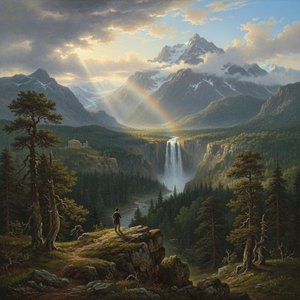
Evoking Nature's Sublime: A Comprehensive Exploration of 19th-Century Landscape Painting
Explore the captivating world of 19th-century landscape painting! Discover renowned artists like Friedrich & Monet, key movements, and find the perfect artwork to bring nature's serenity into your home. Expert insights at AllPaintingsStore.