


 Pregledaj u prostoru
 Pošalji
 Podeli
 Detalji o delu
 Vodič
Vodič

 Preuzmi
 Slični predmeti
 Rendgenski snimak
 Automatska prezentacija
 Pitanja i odgovori
 Statistika
Nudo


 Pročitaj više
Umetničko delo prikazano na ovoj stranici zaštićeno je autorskim pravima, što znači da zakonski nismo u mogućnosti da kreiramo niti prodajemo identičnu reprodukciju. Ova zaštita se sprovodi u skladu sa međunarodnim sporazumima kao što su Bernska konvencija i nacionalnim zakonima, uključujući i one koji su definisani u Američki zakon o autorskom pravu – Naslov 17.
Ovaj metod je u potpunosti usklađen sa regulativama o autorskim pravima jer ne podrazumeva kopiranje ili dupliranje zaštićenih umetničkih dela. Umesto toga, reč je o kreativnoj reinterpretaciji – novom slikarskom delu koje je inspirisano originalom, ali nije identično njemu.
Giclee štampa / Umetnički otisak
Giclée štampa ili print na platnu muzejskog kvaliteta uz brzu izradu i raznovrsne opcije završne obrade. ( Kupite ručno oslikano delo Pređi na digitalnu sliku)




P118B дин10

P118H дин10

P118W дин10

P438Z дин10

P508JH дин12

P508YH дин12

P805H дин10

P805Z дин10

P919BZ дин10

P919G дин10

P919XJ дин10

P959ZH дин10

P968JZ дин12

W106C дин8

W218G дин10

W218JH дин8

W218Y дин10

W307PJ дин10

W316G дин10

W316PJ дин8

W316Y дин10

W398PJ дин8

W4111J дин10

W500HY дин15

W500JH дин15

W692G дин12

W849H дин8

W940BG дин15

W953PJ дин8




Izaberite jednu od naših unapred definisanih veličina koje odgovaraju originalnim proporcijama umetničkog dela.

Unesite željenu širinu i visinu kako bi se štampa uklopila u vaš ram ili zid. Štampu je moguće samo iseći, ali nikada povećati iznad dimenzija originalne slike, stoga format sa drugačijim proporcijama uzrokuje gubitak dela slike. Pre početka štampe, poslaćemo vam digitalni prikaz radi potvrde. Slika prikazana na ovoj stranici ne predstavlja stvarni isrez — to pokazuje samo digitalni prikaz.
Dostava širom sveta () za 2 nedelje umesto uobičajenih 4/5 nedelja. (6 новембар)

Besplatna ekspresna dostava širom sveta

Visokokvalitetno laneno platno

Potpuno osiguranje transporta

Garancija povraćaja carine i uvoznih dažbina

Garancija vernosti boja

Politika povraćaja u roku od 100 dana (samo u slučaju nedostataka)

Garancija povrata 100% novca

Popust na više proizvoda
 Opcija sa staklom dostupna je samo za dimenzije manje od 110 cm

Nudo
Giclee štampa / Umetnički otisak
Dimenzije reprodukcije
-


Ukupna cena
дин 6815
The Haunting Beauty of *Nudo*: A Journey into De Chirico’s Metaphysical World
Giorgio de Chirico's *Nudo*, painted in 1930, isn’t merely a depiction of a nude woman; it’s an immersion into the artist’s meticulously constructed dreamscape – a realm where classical forms collide with unsettling silence and profound psychological depth. This work, rendered in oil on canvas, embodies the core tenets of de Chirico's groundbreaking Metaphysical painting movement, a style that profoundly influenced Surrealism and continues to resonate with viewers today. Born in Volos, Greece, to Italian parents, de Chirico’s artistic vision was shaped by a unique blend of classical heritage and a burgeoning sense of modern alienation, a tension he masterfully translates onto the canvas through carefully orchestrated details and evocative atmosphere. The painting immediately draws the eye with its stark contrast: a solitary figure bathed in an almost unnaturally bright light, set against a backdrop that feels simultaneously familiar and utterly disorienting.A Symphony of Classical Echoes and Modern Disquiet
De Chirico’s *Nudo* is deeply rooted in classical art, particularly the idealized forms of Greek sculpture. The woman's pose—a subtle curve of the spine, a relaxed hand—evokes the serenity and grace associated with ancient statues. However, this classical foundation is deliberately destabilized. The setting isn’t a tranquil garden or a serene temple; instead, it’s an ambiguous space – perhaps a deserted plaza, hinted at by fragments of white columns reminiscent of Roman arcades. These architectural elements, frequently featured in de Chirico's work, create a sense of timelessness and dislocation, suggesting a world removed from the immediacy of everyday experience. The perspective is deliberately skewed, contributing to the painting’s unsettling atmosphere and drawing the viewer into a space that feels both familiar and profoundly strange. The use of long shadows further amplifies this effect, creating an almost theatrical quality to the scene.Symbolism and the Language of Absence
Beyond its formal elements, *Nudo* is laden with symbolic meaning. The woman herself remains enigmatic, her gaze directed upwards as if anticipating a rescue that never arrives. This upward focus speaks to themes of longing, isolation, and perhaps even a yearning for transcendence. The absence of any other figures—no attendants, no companions—heightens the sense of solitude and reinforces the painting’s psychological intensity. De Chirico frequently employed mannequins in his work, representing idealized beauty devoid of life or emotion; they appear here as ghostly presences within the architecture, adding to the overall feeling of detachment. The color palette is deliberately restrained – primarily muted earth tones punctuated by stark white—contributing to the painting’s dreamlike quality and emphasizing the sense of stillness and quietude.The Poetics of Absence: De Chirico's Metaphysical Vision
De Chirico’s fascination with philosophy, particularly the writings of Schopenhauer and Nietzsche, profoundly shaped his artistic vision. He sought to capture not just what *is*, but also what *isn’t* – the unspoken anxieties, the hidden desires, and the fundamental sense of alienation that underlies human experience. *Nudo* exemplifies this approach through its emphasis on “poetics of absence,” a concept central to de Chirico's Metaphysical painting. The painting doesn’t offer easy answers or explicit narratives; instead, it invites viewers to contemplate the mysteries of the unconscious and the unsettling beauty of the unseen. It is a work that lingers in the mind long after viewing, prompting reflection on themes of identity, isolation, and the elusive nature of reality. Reproductions of *Nudo* offer a remarkable opportunity to bring this hauntingly beautiful vision into any interior space, inviting contemplation and sparking dialogue about art’s capacity to evoke profound emotional responses.Pitanja i odgovori
Kolika je luminansa dela „Nudo”, autor Ђорђе Де Кирико?
Boje dela "Nudo" pokazuju luminancu od Bright Balance.
Gde se preporučuje izlaganje dela "Nudo" u formatu Tall?
Format (Tall) i preporučeni prostor (Living Room) su dve navedene činjenice o postavljanju za „Nudo”, autor Ђорђе Де Кирико.
Koja veličina printa za „Nudo”, autor Ђорђе Де Кирико najbolje odgovara preporučenoj prostoriji?
Preporučena kombinacija za „Nudo”, autor Ђорђе Де Кирико: štampa dimenzija Large u prostoriji tipa Living Room.
Srodna umetnička dela


Biografija umetnika
Giorgio de Chirico: A Dreamscape of the Mind
Giorgio de Chirico (ital. Giorgio de Chirico; 10. jul 1888 — 20. novembra 1978) bio je italijanski slikar koji je ostavio nezaboravno mesto u istoriji umetnosti XX veka. Rođen u Volosu, Italija, De Čiriko je sin italijanskih roditelja – Đenovskoj majci i Sicilijskom otcu – čije umetničko putovanje bilo je jedno duboko ukorenjeno u klasiku i rastućem osećaju moderne izolacije. Još tokom školovanja na Univerzitetu Atine i Firenci, De Čiriko je stekao temelje tradicionalnih tehnika, ali prava umetnička inspiracija pronašla se njegovim studijama u Minhenu gde je upoznao dela Ernolda Бёклина и Макса Клингера – umetnika čije simboličke pejzaže i uznemirujući imidži duboko su resonisali sa njegovom vlastitom umetničkom estetikom. Isto toliko su ga uticala filozofska strujanja vremena – dela Фридриха Ничеа, Артура Шопенhauera и Отто Вејнингера – koja su istraživala teme egzistencijalizma, iracionalnosti ljudske želje i subjektivne prirode stvarnosti. Ove ideje postale su centralne za De Čirikov inovativnu umetničku viziju.The Birth of Metaphysical Painting
Krajem 1909. godine pojavio se jedan jedinstveni stil iz De Čirikova umetničkog istraživanja – stil koji je sam nazivao “Metafizička umetnost”. Ovo nije bila samo stilistička inovacija; već duboka želja da uhvati skrivene stvarnosti ispod površine svakodnevnog života, da otkrije uznemirujući poeziju skrivenih u poznatim prostorima. Кључну улогу је имао посета Флоренци и искуства на Плоча Света Креће где је Де Čирико био запаљен својим иконашким циклом “Плоча Света Креће”. Ове слике карактеришу се еријом тишине, дугим драматичним сенкама, логичном перцепцијом и присуством класичне архитектуре juxtaposovanih са узнемирујућим елементима као што су лицемерни манеквини и прекомерни споровећи статуи. Ефекта је изузетно узнемирујуће, инспирисано носталгијом, изолацијом и емоционално великом жељом за чињежом која је изгубила или не постигнута. Де Čирико је основао Школту Метафизику што је дубоко утицало на Сурреализам али касније се одбио његовим интерпретацијама његове ствари. Овој слици није био циљ да се прикаже сан већ покушај да се представи реалност ван видљивог света – царство где је време и простор течни а границе између свесће и инконцеденције прелазе. Слике као што су *Утицање мислиоца*, *Енхигма Аутумског Послеподневља* и *Певање Љубави* прилично су одговарајући примењењу ове узнемирујуће естетике инспирисани су да се посматрају мистерије постојања и фрустрацију човекове перцепције.Influences and Artistic Lineage
- Influenced By: Arnold Böcklin, Max Klinger, Friedrich Nietzsche, Arthur Schopenhauer.
- Influenced: Surrealism, particularly artists like René Magritte and Salvador Dalí. His work also impacted later movements such as Magic Realism.
A Shift in Style and a Lasting Legacy
После Првог светског рата око 1919. године Де Čирико је прекинуо своје метафизичко путовање прихватајући уместо тога традиционалнији стил неокласичан или необароковски. Ова промена је сусретнула велику критику многих критичара који су се жалиле на одбијање инновативног духа који је дефинисао његово рано дело сматрајући га одбио реалност која је претила да буде изгубила своју елегантну естетику. Ипак Де Čирико је остао верстан у своје umetničke izbore, поново посећујући теме из прошлости али приказујући их новом стилу перцепције. Он је наставио да слика и излази на изложбе током целог живота изузев се одбијањем критике који је био велик у време своје младости. Ипак његов утицај на касније генерације umetника не може бити прецењено. Јединствена употреба простора перцепције и перспективе и симболичке естетике заступао је нови начин посматрања света као места скривених значења узнемирујуће лепоте и трајне мистерије. Слике као што су *Утицање мислиоца*, *Енхигма Аутумског Послеподневља* и *Певање Љубави* прилично су одговарајући примењењу ове узнемирујуће естетике инспирисани су да се посматрају мистерије постојања и фрустрацију човекове перцепције.Key Achievements and Recognition
- Он је био основач Школте Метафизике која је имала огромно утицање на Сурреализам.
- Његове слике су биле излагане у великим музејима широм света укључујући Музеј посвећен његовом делу код Шпанских Степа у Риму где је гарантована трајност његовог наслеђа као једног од најважнијих фигура XX века.
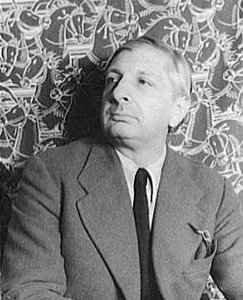
Ђорђе Де Кирико
1888 - 1978 , Греција
Osnovne informacije
- Artistic Movement Or Style: Метафизичка уметност
- Artists Or Movements Influenced By This Artist: ['Сюрреализам']
- Artists Who Influenced This Artist:
- Арнолд Бёклин
- Макс Клингер
- Фридрих Ниче
- Date Of Birth: 10. jul 1888
- Date Of Death: 20. novembra 1978
- Full Name: Giorgio de Chirico
- Nationality: Италијански
- Notable Artworks:
- Вексовање Мислиоца
- Загадка послеподневна пролећа
- Песма радости
- Place Of Birth: Volos, Grčka
Povezani članci

Dark Masterpieces: 10 Iconic Paintings Dominated by Black Tones |
Explore 10 iconic paintings dominated by black tones, from Rembrandt’s chiaroscuro to Goya's dark expressions. Discover the stories behind these masterpieces & find museum-quality art reproductions for your home at .

Francisco Goya: 25 Remek-dela Španskog Majstora za Vaš Dom | AllPaintingsStore
Istražite 25 remek-dela Francisca Goya, španskog slikara romantizma i impresionizma. Portreti, tamne slike & istorija umetnosti na AllPaintingsStore.com! Kupite reprodukcije slika vrhunskog kvaliteta za dekoraciju enterijera. Otkrijte celu kolekciju online.

About Us
Discover our story! We bring world-class art into your life through expert curation, personalized creations, and free previews. Trusted by individuals and businesses since 2000.

Giorgio de Chirico: Metaphysical Realities & the Poetics of Absence
Explore the captivating world of Giorgio de Chirico and his groundbreaking Metaphysical painting movement. Discover the philosophical depths & surreal imagery that influenced generations of artists. Learn more at AllPaintingsStore.

Beyond Reality's Veil: Exploring the Enigmatic World of Metaphysical Art
Explore the captivating world of Metaphysical art with AllPaintingsStore. Discover Giorgio de Chirico's iconic paintings, philosophical influences & lasting impact on Surrealism. Expert insights for collectors.


