

Acrylic On Canvas.

§ 1Catalogue data

Ovo umetničko delo je zaštićeno autorskim pravima
Umetničko delo prikazano na ovoj stranici zaštićeno je autorskim pravima, što znači da zakonski nismo u mogućnosti da kreiramo niti prodajemo identičnu reprodukciju. Ova zaštita se sprovodi u skladu sa međunarodnim sporazumima kao što su Bernska konvencija i nacionalnim zakonima, uključujući i one koji su definisani u Američki zakon o autorskom pravu – Naslov 17.
Kao poštovana i legalna alternativa, nudimo prilagođene, ručno oslikane umetničke radove inspirisane originalom. Naši stručni i profesionalni umetnici pažljivo proučavaju stil, ambijent i umetničku suštinu originala kako bi kreirali novo, unikatno delo koje budi istu emociju – ostajući pritom potpuno autentično stvaranje.
Ovaj metod je u potpunosti usklađen sa regulativama o autorskim pravima jer ne podrazumeva kopiranje ili dupliranje zaštićenih umetničkih dela. Umesto toga, reč je o kreativnoj reinterpretaciji – novom slikarskom delu koje je inspirisano originalom, ali nije identično njemu.
 Pročitajte više
§ 2Abstract
Opis predmeta
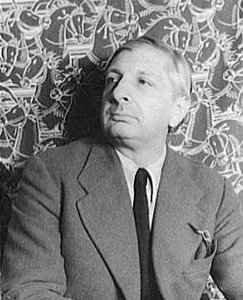
Biografija umetnika
Жорж Де Кирико био је италијански сликар који је основоположник метафизичке школе уметности. Из познатих делија као што су „Утицање мислиоца“, „Тајна послеподневне пролеће и“ Песма радости, Де Кирико је оставио траг у европској уметности почетка века и био је веома инспиративан за сурреалисте као што су Рене Магрит и Салвадор Дали.
§ 3Commentary
A Fragmented Reality: De Chirico’s ‘The Fall’ – An Exploration of Surrealist Vision
Giorgio de Chirico's “The Fall” stands as a cornerstone of Metaphysical Art, encapsulating the anxieties and intellectual explorations characteristic of its era. Painted around 1917-18, this enigmatic canvas transcends mere depiction; it plunges viewers into a dreamscape populated by unsettling juxtapositions and imbued with profound symbolic resonance. The artwork’s desolate landscape—a rocky outcrop bathed in muted sunlight—immediately establishes an atmosphere of isolation and unease, mirroring the philosophical preoccupations that fueled de Chirico's artistic endeavors.The Composition: A Disturbing Tableau
At first glance, “The Fall” presents a disconcerting scene: a group of figures clustered around a corpse-like man sprawled upon the ground. The positioning is deliberately jarring—the bodies are arranged in an unnatural manner, disrupting conventional spatial logic. Notably prominent is a solitary sword held aloft by one individual, symbolizing powerlessness and vulnerability against an unseen force. Furthermore, the inclusion of a horse – positioned on the right side – adds to the visual drama, representing primal instinct and perhaps hinting at a return to primordial origins. Two birds circling overhead contribute to the pervasive sense of disorientation, reinforcing the painting’s preoccupation with themes of mortality and transcendence.Style and Technique: Borrowing from Böcklin and Klinger
De Chirico's stylistic choices reflect his deep admiration for Arnold Böcklin and Max Klinger, artists who had profoundly impacted his artistic sensibilities. Like Böcklin’s landscapes—particularly “Alpine Scene”—“The Fall” employs a muted palette dominated by earthy tones, creating an ethereal yet melancholic mood. The artist skillfully utilizes chiaroscuro – dramatic contrasts between light and shadow – to heighten the sense of drama and emphasize the sculptural quality of the figures. De Chirico's meticulous attention to detail—particularly in rendering the textures of stone and flesh—demonstrates a commitment to realism tempered by an expressive impulse.Philosophical Undercurrents: Nietzsche’s Influence
The painting’s intellectual bedrock lies firmly within the philosophical ideas championed by Friedrich Nietzsche, Arthur Schopenhauer, and Otto Weininger. These thinkers questioned traditional notions of morality and rationality, advocating for a radical embrace of instinct and subjectivity. De Chirico's exploration of these concepts is evident in “The Fall”’s depiction of existential dread—the figures are confronted with the inescapable reality of death and decay, prompting contemplation on the meaninglessness of existence. The unsettling stillness of the scene underscores Nietzsche’s assertion that life itself is an illusion, a deceptive appearance concealing an underlying abyss.Symbolism: Ghosts of Antiquity
“The Fall” resonates powerfully with symbols drawn from classical antiquity—a deliberate reference to the myth of Persephone and Hades, representing descent into darkness and rebirth. The corpse-like man embodies vulnerability and mortality, serving as a visual reminder of human fragility. The horse symbolizes primal instinct and represents an escape from civilized constraints. Ultimately, De Chirico’s masterpiece invites viewers to confront uncomfortable truths about the human condition—a testament to his enduring legacy as one of the most influential artists of the early 20th century.Pitanja i odgovori
Na koji način se nacionalni poreklom povezuje sa Neo-Baroque dela "The Fall"?
Delo u stilu Neo-Baroque, "The Fall", delo je umetnika rođenog u Греција.
Šta "The Fall" deli sa ostatkom stvaralaštva umetnika Ђорђе Де Кирико?
„The Fall“ pripada Neo-Baroque periodu stvaralaštka umetnika Ђорђе Де Кирико, čije su upečatljive teme obuhvatale classical echoes & modern angst, existential dread & dreamscapes, philosophical vision & symbolism, de chirico’s surreal legacy, urban isolation & mortality.
Koliko je popularno delo "The Fall" unutar pokreta Neo-Baroque?
U okviru Neo-Baroque pokreta, delo "The Fall" ima Iconic nivo popularnosti.


 Pređi na štampu


 Za umetnička dela ili reprodukcije čija je bilo koja strana veća od 105 cm (približno 41 inč), okvir će biti isporučen u obliku rastavljenog seta za sklapanje. Ovaj metod osigurava bezbednu dostavu i sprečava oštećenja tokom transporta.


