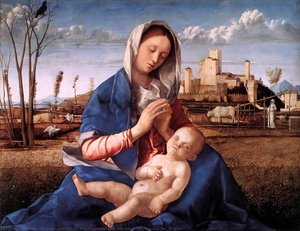
- Početna strana

- Štampa na platnu
- Јован Антони Белини
- Deposition

 Pregledaj u prostoru
 Pošalji
 Podeli
 Detalji o delu

 Преузми
 Slični predmeti
 Rendgenski snimak
 Slajdovi
Deposition
 Oil On Canvas
- WallArt
- High Renaissance
 1515
1515- Renaissance
 312.0 x 444.0 cm
 Pročitaj više
Giclee štampa / Umetnički otisak
Giclée štampa ili print na platnu muzejskog kvaliteta uz brzu proizvodnju i fleksibilne opcije završne obrade. ( Pređite na ručno oslikano umetničko delo Prebacite na sliku)




P118B $10

P118H $10

P118W $10

P438Z $10

P508JH $12

P508YH $12

P805H $10

P805Z $10

P919BZ $10

P919G $10

P919XJ $10

P959ZH $10

P968JZ $12

W106C $8

W218G $10

W218JH $8

W218Y $10

W307PJ $10

W316G $10

W316PJ $8

W316Y $10

W398PJ $8

W4111J $10

W500HY $15

W500JH $15

W692G $12

W849H $8

W940BG $15

W953PJ $8




Izaberite jednu od naših unapred definisanih veličina koje odgovaraju originalnim proporcijama umetničkog dela.

Možete uneti sopstvene dimenzije kako biste umetničko delo prilagodili specifičnom okviru ili prostoru. Ako odabrani format ne odgovara proporcijama originalne slike, mi ćemo ili iscrtati deo dela ili proširiti sliku pomoću ogledane ivice ili jednobojnog popunjavanja. Digitalni prikaz će vam biti poslat na odobrenje pre početka proizvodnje.
Imajte na umu da pregled na ekranu ne odražava stvarno iscrtavanje ili proširivanje. Samo će prikaz (mockup) precizno pokazati finalnu kompoziciju.
Iako su prilagođene dimenzije dostupne, preporučujemo da odaberete dimenziju sa unapred definisane liste kako biste očuvali originalne proporcije.
Dostava širom sveta () za 2 nedelje umesto uobičajenih 4/5 nedelja. (1 август)

Besplatna ekspresna dostava širom sveta

Visokokvalitetno laneno platno

Kompletno osiguranje transporta

Garancija povraćaja carine i uvoznih dažbina

Garancija vernosti boja

Politika povrata u roku od 60 dana (samo u slučaju nedostataka)

Garancija povrata novca od 100%

Popust pri grupnoj kupovini
 Opcija sa staklom dostupna je samo za dimenzije manje od 110 cm

Deposition
Giclee štampa / Umetnički otisak
Dimenzije reprodukcije
-


Konačna cena
$ 64
Opis predmeta
A Masterpiece of Devotion: Giovanni Bellini’s Deposition
In the quiet, hallowed halls of the Gallerie dell'Accademia in Italy, there exists a window into the profound sorrow and divine grace of the High Renaissance. Giovanni Bellini’s Deposition, painted around 1515, is not merely a depiction of a biblical event; it is a visceral experience of grief, light, and spiritual transcendence. As one of the most significant works by the Venetian master, this monumental oil on canvas captures the precise moment when the weight of mortality meets the hope of eternal life. The scale of the work, measuring an imposing 312 x 444 cm, commands the room, drawing viewers into a sacred space where the boundaries between the earthly and the divine begin to blur.
The composition is a masterclass in Renaissance balance and emotional storytelling. At the heart of the drama lies the broken body of Jesus, surrounded by a constellation of mourners whose faces reflect a spectrum of human suffering. From the poignant presence of Mary Magdalene to the somber figures of John the Baptist and Peter, Bellini orchestrates a symphony of sorrow. Yet, even amidst the tragedy, there is a breathtaking sense of order. The artist utilizes a sophisticated interplay of light and shadow—a hallmark of the Venetian school—to guide the eye across the canvas. The soft, atmospheric glow illuminates the central figures, while the deeper shadows lend a sculptural weight to their forms, creating a tension that feels both physically present and spiritually resonant.
Symbolism and the Venetian Landscape
Beyond the immediate tragedy of the crucifixion, Bellini weaves a complex tapestry of symbolism that rewards the contemplative viewer. The landscape itself serves as more than just a backdrop; it is an active participant in the narrative. A rugged mountain range rises in the distance, providing a sense of eternal stability against the fleeting agony of the scene. To the left, a solitary boat rests upon the water, perhaps symbolizing the journey of the soul or the passage of time. Even the sky holds secrets, where two birds soar above the cross—a subtle, evocative nod to the ascension of the soul toward heaven.
The integration of nature and divinity is what makes this piece so captivating for collectors and decorators alike. The way Bellini uses color to define the atmosphere—the deep blues of the distant mountains and the warm, earthy tones of the foreground—creates a sense of depth that invites the eye to wander through the painting's many layers. For those seeking to bring a sense of historical grandeur and contemplative peace into an interior space, this work offers an unparalleled emotional anchor. It is a piece that does not just decorate a wall; it transforms an environment into a sanctuary of reflection.
An Enduring Legacy for the Discerning Collector
To possess a reproduction of Bellini’s Deposition is to hold a fragment of art history. As a pivotal figure who bridged the gap between Byzantine tradition and the humanistic innovations of the 16th century, Bellini’s influence can be felt in the works of every major Venetian successor. His ability to evoke powerful, wordless emotions through meticulous technique remains a benchmark of artistic excellence. For interior designers and art enthusiasts, finding a high-quality, hand-painted oil reproduction allows for the preservation of this magnificent aesthetic in modern settings.
Whether placed in a grand library, a formal dining hall, or a quiet study, a faithful reproduction of this masterpiece serves as a testament to the enduring power of the Renaissance spirit. It offers an opportunity to surround oneself with the technical mastery of the Venetian school—a legacy of light, color, and profound human emotion that continues to inspire awe centuries after its creation.
Srodna umetnička dela


Biografija umetnika
A Venetian Master: The Life and Legacy of Giovanni Bellini
Giovanni Bellini, a name synonymous with the blossoming Renaissance in Venice, stands as a pivotal figure bridging the gap between the traditions of Byzantine art and the innovative spirit that would define the 16th century. Born around 1430 – though some sources suggest 1433 – into a family deeply entrenched in the artistic world, Bellini’s journey was one of continuous evolution, marked by a profound sensitivity to color, light, and the burgeoning humanism of his era. The precise nature of his familial relationships has been debated; for years Jacopo Bellini was considered his father, but modern scholarship increasingly points towards Jacopo being Giovanni's elder half-brother, with Gentile Bellini as his nephew rather than sibling. Regardless of these intricacies, young Giovanni grew up immersed in a workshop brimming with creativity and technical expertise, absorbing the foundations of painting from an early age. His initial training likely involved the traditional tempera techniques favored at the time, but it was his innate talent for observation and emotional expression that would set him apart.Early Influences and Artistic Development
The artistic landscape of 15th-century Venice was a unique blend of influences. The city’s position as a major trading hub exposed its artists to diverse styles and ideas, while the Byzantine heritage continued to exert a strong pull. Bellini's early works reflect this duality. Initially, his style bore the mark of his father and brother, Gentile, with compositions often characterized by meticulous detail and a somewhat restrained emotional palette. However, even in these early pieces, hints of his future brilliance began to emerge – a delicate handling of light, a growing interest in naturalistic settings, and an ability to imbue religious figures with a palpable sense of human pathos. The influence of Andrea Mantegna, his brother-in-law, is also readily apparent during this period, particularly in the clarity of line and sculptural forms. Bellini’s early commissions often involved collaborative projects, such as his contributions to the Scuola di San Marco alongside Gentile and other prominent Venetian artists. These large-scale works provided invaluable experience and allowed him to hone his skills while working alongside some of the most talented painters of the day.Revolutionizing Venetian Painting: Color, Light, and Oil
Bellini’s true revolution lay in his embrace of oil paint. While not the inventor of the technique, he was among the first Venetian artists to fully exploit its potential. Unlike tempera, which dried quickly and demanded a precise, linear approach, oil paint allowed for greater blending, richer colors, and subtle gradations of tone. This newfound freedom enabled Bellini to create paintings with an unprecedented depth and luminosity. His use of color became increasingly sophisticated, moving away from the bright, often harsh hues of earlier Venetian painting towards a more nuanced and harmonious palette. He masterfully captured the effects of light and atmosphere, imbuing his landscapes with a sense of serenity and realism that was groundbreaking for its time. This mastery of oil paint not only transformed his own work but also laid the foundation for the distinctive style that would come to define the Venetian school – a style celebrated for its sensuousness, coloristic richness, and atmospheric perspective. He achieved this remarkable feat by meticulously studying the interplay between light and shadow, creating illusions of depth and dimensionality that captivated viewers.Mature Works and Lasting Influence
As Bellini matured, his artistic vision continued to evolve. His altarpieces, such as those created for the churches of San Zaccaria and Santa Corona, demonstrate his ability to create complex compositions filled with symbolic meaning and emotional resonance. The *Transfiguration*, now housed in the Capodimonte Museum in Naples, exemplifies his mature style – a serene spirit combined with ripened artistic powers. He also served as conservator of the paintings in Doge’s Palace, further solidifying his reputation as Venice's leading artist. His influence extended far beyond his own lifetime. He became a mentor to a generation of younger painters, including Giorgione and Titian, who would carry on his legacy and push the boundaries of Venetian art even further. These pupils absorbed Bellini’s techniques and aesthetic principles, adapting them to their own individual styles and contributing to the golden age of Venetian painting. Bellini's impact can be seen in the works of countless artists who followed, solidifying his place as a true master of the Renaissance. He died in Venice in 1516, leaving behind a body of work that continues to inspire awe and admiration centuries later.A Legacy Enduring Through Time
Giovanni Bellini’s significance extends beyond his technical innovations and artistic achievements. He captured the spirit of a changing world – a world grappling with new ideas about humanity, spirituality, and the relationship between art and nature. His paintings are not merely representations of religious scenes; they are profound meditations on faith, beauty, and the human condition. His ability to imbue his figures with dignity and grace, combined with his masterful use of color and light, created a visual language that resonated deeply with his contemporaries and continues to captivate audiences today. *Bellini’s legacy is not simply one of artistic brilliance; it is a testament to the power of art to transcend time and connect us to the enduring values of human experience.* From the serene beauty of his Madonnas to the dramatic intensity of his religious scenes, Bellini's work remains a cornerstone of Western art history.
Јован Антони Белини
1433 - 1516 , Италија
Osnovne informacije
- Artistic Movement Or Style: Venetian School
- Artists Or Movements Influenced By This Artist:
- Giorgione
- Titian
- Artists Who Influenced This Artist:
- Jacopo Bellini
- Gentile Bellini
- Date Of Birth: c. 1430
- Date Of Death: 1516
- Full Name: Giovanni Bellini
- Nationality: Italian
- Notable Artworks:
- St. Jerome in the Desert
- The Transfiguration
- Place Of Birth: Venice, Italy
Povezani članci

Najvešanih 10 Remeka Dela Visoke Renesanse: Umjetnost koja je Definirala Epohu
Otkrijte 10 remek dela Visoke Renesanse koja su oblikovala umetnost! Leonardo, Rafael, Mikelanđelo... Istorija, tehnika i priče iza najpoznatijih slika. Inspiracija za vaš dom? Pogledajte kolekciju na AllPaintingsStore.com!
Renesansa u slika: 10 remek-dela koja su obeležila umetnički pokret
Otkrijte 10 remek dela renesanse koja su zauvek obeležila umetnost! Leonardo, Michelangelo, Rafael... Istorija, tehnika i inspiracija u svakoj slici. Pronađite savršenu reprodukciju za svoj dom na AllPaintingsStore.com!

Jacopo Tintoretto: 25 Remek-dela Venecijanskog Majstora | Reprodukcije i Inspiracija za Dom
Uronite u svet Jacopa Tintoreta! Otkrijte 25 remek-dela venecijanskog renesansnog majstora. Istražite dramatične kompozicije, bogate boje i istoriju umetnosti na AllPaintingsStore.com. Reprodukcije slika za luksuzni enterijer.
Renesansna Genijalnost: 10 Remek Dela Koja Su Izjedili Umjetnost
Otkrijte 10 remek dela koje su obeležile ranu renesansu! Leonardo, Michelangelo, Rafael... Uronite u priče iza ovih umetničkih dragulja i inspirisanje za vaš dom. Kvalitetne reprodukcije na AllPaintingsStore.com – istražite celu kolekciju online!
Giotto di Bondone: 25 Remek-dela koji definišu renesansu | AllPaintingsStore
Istražite 25 remek-dela Giotta di Bondonea i otkrijte renesansnu umetnost u punom sjaju. Freske, oltarske slike & istorija italijanske umetnosti na AllPaintingsStore.com! Reprodukcije vrhunskog kvaliteta za vaš dom.