


 Pregledaj u prostoru
 Pošalji
 Podeli
 Detalji o delu

 Преузми
 Slični predmeti
 Rendgenski snimak
 Slajdovi
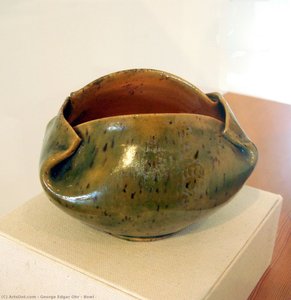
Emu beaker


 Pročitaj više
Ručno rađena uljana reprodukcija
Ručno oslikano uljanim bojama na platnu u dimenzijama i okviru po vašem izboru, izrađeno po porudžbini od strane naših umetnika. ( Kupi print Kupi digitalnu sliku)




































Izaberite jednu od naših unapred definisanih veličina koje odgovaraju originalnim proporcijama umetničkog dela.

Можете унети сопствене димензије како бисте прилагодили дело одређеном оквиру или простору. Ако одабрана величина не одговара пропорцијама оригинала, слика ће бити исечена или проширена додатним елементима који се ручно насликавају. Дигитални prikaz ће вам бити послат на одобрење пре почетка производње.
Имајте на уму да преглед на екрану не одражава стварно исецање или проширење. Само приказ (mockup) ће тачно приказати коначну композицију.
Иако су доступне прилагођене величине, препоручујемо да одаберете димензију из дефинисане листе како бисте сачували оригиналне пропорције.
Nakon narudžbine, tim AllPaintingsStore.com će klijentu putem e-pošte poslati uputstva i dostaviti prikaz predloženog rešenja
Isporuka širom sveta () za 3/4 nedelje umesto uobičajenih 5 nedelja. (16 август). Bez kompromisa po pitanju kvaliteta.

Besplatna ekspresna dostava širom sveta

Visokokvalitetno laneno platno

Kompletno osiguranje transporta

Garancija povraćaja carine i uvoznih dažbina

Garancija vernosti boja

Politika povrata u roku od 60 dana (samo u slučaju nedostataka)

Garancija povrata novca od 100%

Popust pri grupnoj kupovini
 Opcija sa staklom dostupna je samo za dimenzije manje od 110 cm

Emu beaker
Tehnika reprodukcije
Dimenzije reprodukcije
-


Konačna cena
$ 258
Srodna umetnička dela



Biografija umetnika
A Foundation in the Australian Soil
In the sun-drenched landscapes of South Australia, where the legacy of viticulture and agriculture runs deep, Gladys Reynell emerged as a transformative force in the history of Australian ceramics. Born in 1881 in Glenelg, her early life was inextricably linked to the rich, productive earth of her family’s estate. As the granddaughter of John Reynell, the pioneer of South Australia's first commercial winery, and the daughter of the prominent land agent Walter Reynell, her very identity was rooted in the soil. This connection to the land would later manifest not in agriculture, but in a profound, tactile exploration of the continent's natural materials. While her initial academic pursuits led her toward the clinical precision of medicine at the University of Adelaide, the call of the aesthetic proved irresistible. Reynell ultimately abandoned the medical path to embrace the visceral, creative possibilities of art, seeking a medium that could bridge the gap between the raw earth and human expression.The Modernist Revolution in Clay
As the twentieth century unfolded, Reynell became a vital architect of Australian Modernism. Her artistic evolution was significantly shaped by her encounter with the formidable Margaret Preston, whose influence helped steer Reynell away from the suffocatingly ornate European decorative traditions that dominated the era. Instead of seeking beauty in delicate, imported flourishes, Reynell looked inward toward the rugged essence of her homeland. She embraced a bold, modernist aesthetic characterized by geometric forms and abstract patterns, stripping away unnecessary embellishment to reveal the structural integrity of her vessels. This stylistic shift was more than a mere trend; it was a deliberate rebellion against colonial aesthetics. By prioritizing rhythm, shape, and texture, she helped forge a visual language that felt authentically Australian, one that resonated with the burgeoning spirit of a nation finding its own artistic voice.Materiality and the Spirit of the Land
Perhaps the most enduring aspect of Reynell’s legacy lies in her unwavering commitment to the use of native materials. She possessed an intuitive understanding of the aesthetic potential held within local minerals, famously sourcing clays directly from Kangaroo Island. This choice was a profound symbolic gesture, an act of honoring the Australian landscape through the very substance of her work. Her technique often involved slipware and relief carving, methods that allowed her to imbue each piece with a sense of primordial strength. One of her most celebrated achievements, the Emu Beaker of 1917, stands as a testament to this vision; through its stylized carvings, it draws inspiration from Aboriginal motifs, blending modernist abstraction with a deep respect for indigenous artistic traditions. Through her hands, the raw, unadorned clay was transformed into a medium of cultural significance, ensuring that her work remains a cornerstone of South Australian ceramic heritage.
Gladys Reynell
1881 - 1956 , Australia
Osnovne informacije
- Artistic Movement Or Style: Modernist Pottery
- Date Of Birth: 1881
- Date Of Death: 1956
- Full Name: Gladys Reynell
- Nationality: Australian
- Notable Artworks:
- Emu Beaker
- Triple Portrait of Sir Henry Irving
- Place Of Birth: Adelaide, Australia
Povezani članci

The Alchemy of Clay: A Collector's Guide to the Mastery, Texture, and Timeless Form of Ceramic Art
Discover the profound beauty of ceramic art. Our expert guide explores the alchemy of clay, texture, and glaze, offering collectors deep insights into mastering earth and fire to create timeless, sculptural masterpieces for any curated collection.

The Art of Ceramics: A Guide to Mastery, Texture, and Timeless Form for the Discerning Collector
Explore the profound elegance of ceramic art. From master glazes to sculptural forms, our expert guide offers discerning collectors deep insights into the mastery, texture, and timeless value of fine ceramics for sophisticated collections and luxury interiors.



