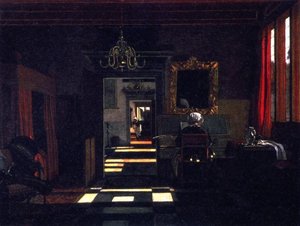
1876. Oil On Canvas, 60.0 x 81.0 cm.

§ 1Katalog podaci

- 60.0 x 81.0 cm


§ 2Apstraktno
Opis predmeta
Gustave Caillebotte’s ‘Billiards,’ an Impressionist oil painting from 1876, captures a quiet moment in a Parisian billiard hall with its precise composition and subtle light. Discover this captivating work by Caillebotte and bring art home.
 Pročitaj više
Biografija umetnika
Gustave Caillebotte (1848-1894): Otkrijte realizam i impresionističke slike pariskog života ovog francuskog majstora, poznatog po delima 'Paris Street; Rainy Day' i jedinstvenim perspektivama. Pionir modernog slikarstva.
§ 3Komentar
A Moment Frozen in Time: Gustave Caillebotte’s “Billiards”
Gustave Caillebotte's "Billiards," painted in 1876, is more than just a depiction of a game; it’s a meticulously observed snapshot of Parisian life at the cusp of modernity. Measuring a modest 60 x 81 cm, this oil on canvas offers an intimate glimpse into a billiard hall, a space that was rapidly becoming a social hub for the burgeoning middle class in late 19th-century Paris. The painting’s quiet drama resides not in grand gestures but in the subtle tension of the scene – a man poised with his hands upon the table, seemingly lost in concentration, while the room around him hints at conversation and leisure.
The Impressionist's Eye: Technique and Influence
Caillebotte’s style, heavily influenced by his early fascination with photography, is immediately recognizable. He employs a precise, almost photographic eye for detail, rendering the textures of the table, the worn leather chairs, and the muted colors with remarkable accuracy. However, unlike a purely documentary photograph, Caillebotte imbues the scene with an Impressionist sensibility – a focus on capturing fleeting light and atmosphere. Note the dappled reflections on the billiard table’s surface, created by the soft glow of the room's illumination, and the subtle shifts in tone that convey depth and volume. This technique was revolutionary for its time, moving away from traditional academic painting towards a more subjective representation of reality.
A Parisian Portrait: Context and Social Commentary
"Billiards" provides a valuable window into the social landscape of Paris during the Second Empire. Billiard halls were not merely places to play; they were spaces for socializing, conducting business, and observing the latest fashions. Caillebotte’s choice of subject – a solitary man absorbed in his game – suggests a certain detachment from the bustling city outside, yet also hints at the growing individualism that was beginning to characterize Parisian society. The inclusion of the couch and other figures in the background subtly underscores the social dynamics at play within this particular space.
Symbolism and Emotional Resonance
The painting’s quiet stillness evokes a sense of contemplation and perhaps even melancholy. The man's posture, absorbed in his game, suggests a moment of intense focus, inviting the viewer to consider themes of competition, skill, and the pursuit of mastery. Caillebotte masterfully uses light and shadow to create a mood that is both intimate and evocative. The composition draws us into this private world, prompting reflection on the nature of leisure, concentration, and the human condition. This piece exemplifies Caillebotte's ability to transform everyday scenes into works of art with profound emotional resonance.
Pitanja i odgovori
Koja veličina i orijentacija se preporučuju za štampu dela „Billiards”, autor Gustav Kajlebot?
Za "Billiards", preporučena dimenzija štampe je Large i Landscape orijentacija.
Da li je „Billiards”, autor Gustav Kajlebot portret, pejzaž ili kvadratna kompozicija?
Format dela "Billiards" je Landscape, što vam može biti od pomoći prilikom planiranja prostora u kojem ćete postaviti reprodukciju.
O kakvom se delu radi u "Billiards"?
U katalogu je delo „Billiards”, autor Gustav Kajlebot klasifikovano kao WallArt. Ova kategorija pomaže u pronalaženju sličnih radova.




 Pređi na štampu


 Za umetnička dela ili reprodukcije čija je bilo koja strana veća od 105 cm (približno 41 inč), okvir će biti isporučen u obliku rastavljenog seta za sklapanje. Ovaj metod osigurava bezbednu dostavu i sprečava oštećenja tokom transporta.