


 Pregledaj u prostoru

 Pošalji
 Podeli
 Detalji o delu
 Vodič


 Preuzmi
 Slični predmeti
 Rendgenski snimak
 Automatska prezentacija
 Pitanja i odgovori
 Statistika
Hammock


 Pročitaj više
Giclee štampa / Umetnički otisak
Giclée štampa ili print na platnu muzejskog kvaliteta uz brzu izradu i raznovrsne opcije završne obrade. ( Kupite ručno oslikano delo Pređi na digitalnu sliku)
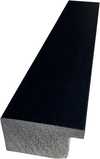
P118B дин10
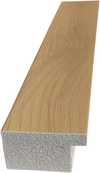
P118H дин10
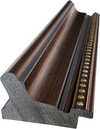
P118W дин10
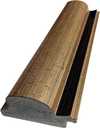
P438Z дин10
P508JH дин12

P508YH дин12
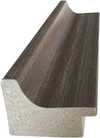
P805H дин10
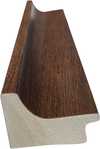
P805Z дин10
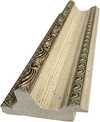
P919BZ дин10
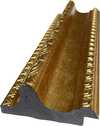
P919G дин10
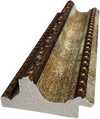
P919XJ дин10
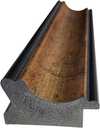
P959ZH дин10
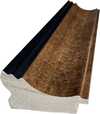
P968JZ дин12
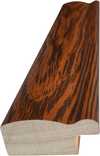
W106C дин8
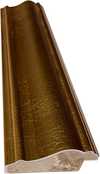
W218G дин10
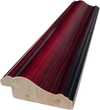
W218JH дин8
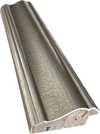
W218Y дин10
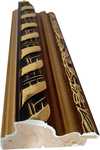
W307PJ дин10

W316G дин10
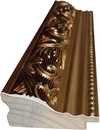
W316PJ дин8
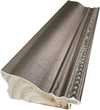
W316Y дин10
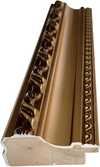
W398PJ дин8
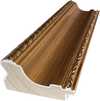
W4111J дин10
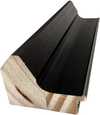
W500HY дин15
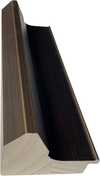
W500JH дин15
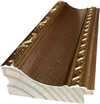
W692G дин12
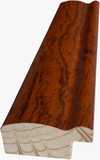
W849H дин8
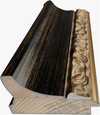
W940BG дин15
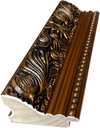
W953PJ дин8
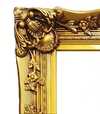
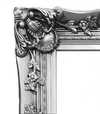
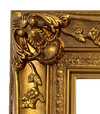
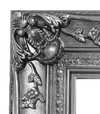
Izaberite jednu od naših unapred definisanih veličina koje odgovaraju originalnim proporcijama umetničkog dela.

Unesite željenu širinu i visinu kako bi se štampa uklopila u vaš ram ili zid. Štampu je moguće samo iseći, ali nikada povećati iznad dimenzija originalne slike, stoga format sa drugačijim proporcijama uzrokuje gubitak dela slike. Pre početka štampe, poslaćemo vam digitalni prikaz radi potvrde. Slika prikazana na ovoj stranici ne predstavlja stvarni isrez — to pokazuje samo digitalni prikaz.
Dostava širom sveta () za 2 nedelje umesto uobičajenih 4/5 nedelja. (18 новембар)

Besplatna ekspresna dostava širom sveta

Visokokvalitetno laneno platno

Potpuno osiguranje transporta

Garancija povraćaja carine i uvoznih dažbina

Garancija vernosti boja

Politika povraćaja u roku od 100 dana (samo u slučaju nedostataka)

Garancija povrata 100% novca

Popust na više proizvoda
 Opcija sa staklom dostupna je samo za dimenzije manje od 110 cm

Hammock
Giclee štampa / Umetnički otisak
Dimenzije reprodukcije
-


Ukupna cena
дин 6801
A Vision of Serenity
In his 1923 masterpiece, Hammock, Henri Lebasque invites the viewer into a luminous realm of domestic tranquility. This oil on canvas is far more than a mere depiction of a woman at rest; it is a profound exploration of light and color that captures the very essence of a fleeting, idyllic moment. Through his signature Impressionistic brushwork, Lebasque transforms a simple scene of leisure into a poetic meditation on peace. The composition is defined by a sense of rhythmic harmony, where the soft, dappled sunlight filtering through the trees dances across the canvas, creating a visual symphony of warmth and repose.
The subject, a young woman seated comfortably within the embrace of a hammock, serves as the emotional anchor of the work. Her relaxed posture evokes a sense of profound contentment, offering a quiet escape from the complexities of the modern world. Lebasque’s mastery of color is particularly evident in his use of complementary hues—vibrant reds and yellows—which create a balanced and harmonious tension against the lush, textured foliage. This interplay of light and shade, rendered with thick impasto, imbues the scene with a tactile richness that draws the observer into its serene, sun-drenched atmosphere.
Visual Composition and Details
The artwork features a woman positioned in a hammock strung between two trees. The hammock itself is characterized by its distinct red, yellow, and blue stripes. Surrounding the central figure, the scene is enriched by the presence of two potted plants, one situated on the left and another on the right. Additionally, a vase is placed near the bottom left corner of the composition.
Technical Details:
- Medium: Oil on canvas
- Date: 1923
- Inscriptions: Signed and dated lower right: Lebasque 23
Pitanja i odgovori
Koliko su intenzivne boje dela "Hammock"?
„Hammock”, autor Хенри Лебаске je zabeležen sa Subtle Color zasićenosti i Balanced intenzitetom.
Kojom tehnikom i stilom se odlikuje „Hammock”, autor Хенри Лебаске?
„Hammock“ je urađeno u tehnici Acrylic On Canvas, u stilu Post-Impressionist Landscape.
Da li je "Hammock" tipično za ono što je Хенри Лебаске obično stvarao?
"Hammock" prikazuje outdoor relaxation, female figure, hammock motif, floral arrangement, color palette, summer scene, decorative art, dok su dokumentovane teme umetnika Хенри Лебаске zapravo lebasque’s impressionistic style, domestic tranquility & beauty, symbolic floral decoration, celebration of leisure life, reflecting parisian charm. Poređenje ova dva elementa pokazuje kako se ovo delo povezuje sa uobičajenim motivima ovog umetnika.
Srodna umetnička dela


Biografija umetnika
A Painter of Joy and Light: The Life and Art of Henri Lebasque
Henri Lebasque, a name perhaps less immediately recognized than some of his Post-Impressionist contemporaries, nevertheless occupies a significant place in the artistic landscape of early 20th-century France. Born in Champigné, Maine-et-Loire, in 1865, Lebasque’s journey toward becoming a celebrated painter was one marked by diligent study, evolving influences, and an unwavering commitment to capturing beauty in everyday life. His early education at the École régionale des beaux-arts d'Angers provided a foundational grounding, but it was his move to Paris in 1886 that truly ignited his artistic development. There, under the tutelage of Léon Bonnat and through assisting Ferdinand Humbert with decorative murals at the Panthéon, he honed his technical skills while immersing himself in the vibrant Parisian art scene. This period proved crucial, bringing him into contact with pivotal figures like Camille Pissarro and Auguste Renoir, whose emphasis on light and color would profoundly shape his aesthetic sensibilities.Early Life and Artistic Beginnings
Lebasque’s formative years were characterized by a quiet determination to pursue artistic excellence. Born to modest parents—his father was a carpenter—he demonstrated an early aptitude for drawing and painting, nurturing this talent through self-directed study and experimentation. Recognizing the importance of formal training, he enrolled at the École régionale des beaux-arts d'Angers, where he honed his technical skills and developed a foundational understanding of artistic principles. However, it was his relocation to Paris in 1886 that irrevocably altered the trajectory of his artistic career. Drawn to the burgeoning artistic community of Montmartre, Lebasque sought guidance from luminaries like Léon Bonnat and Ferdinand Humbert, immersing himself in the atmosphere of innovation and creativity that defined the era. His involvement with decorative murals at the Panthéon—a collaborative project with Auguste Renoir—provided invaluable experience and cemented his connection to the broader artistic movement.Influences and Artistic Development
Lebasque’s artistic vision was profoundly shaped by the intellectual currents of his time, particularly the burgeoning theories of Georges Seurat and Paul Signac concerning Chromoluminarism – a revolutionary approach to painting that championed the use of complementary colors to achieve luminous effects. Embracing this scientific methodology alongside the stylistic explorations of Les Nabis—a group of artists who prioritized domestic scenes and intimate moments—Lebasque cultivated a distinctive aesthetic sensibility. The influence of Édouard Vuillard and Pierre Bonnard was particularly significant, fostering in him a fascination with flattened forms, decorative patterns, and subtle color harmonies. These artists championed the depiction of everyday life with remarkable sensitivity, encouraging Lebasque to focus on capturing the quiet poetry of ordinary experiences.Notable Works and Artistic Style
Lebasque’s oeuvre is distinguished by its serene atmosphere and harmonious palette—a testament to his unwavering commitment to portraying beauty in its simplest form. He excelled at depicting domestic interiors bathed in soft light, capturing tender moments between family members with remarkable grace and empathy. His paintings resonate with a palpable sense of tranquility, inviting viewers into worlds imbued with warmth and affection. Among his most celebrated creations are La Cigarette—a masterful portrayal of a woman smoking—and Una joven en el bosque—a luminous depiction of a young girl amidst the verdant foliage of a woodland landscape. Lebasque’s technique involved building up layers of thin, translucent paint, allowing the underlying colors to shimmer through and creating an ethereal quality that is characteristic of his style. He skillfully employed complementary color pairings—blues and oranges, reds and greens—to generate visual excitement while maintaining an overall sense of balance and harmony.Legacy and Recognition
Throughout his prolific career, Henri Lebasque garnered considerable acclaim for his artistic achievements, participating in prestigious exhibitions such as the Salon d’Automne—which he helped establish alongside Henri Matisse—and the Salon des Indépendants. His commissions included decorative projects for theaters and liners, demonstrating his versatility and securing his place within the annals of art history. Today, Lebasque’s paintings reside in prominent museum collections across France and internationally—a testament to their enduring artistic significance and captivating beauty. He remains a beloved figure among Impressionist enthusiasts, whose serene vision continues to inspire admiration and contemplation. His legacy endures as an emblem of artistic integrity and the pursuit of aesthetic excellence—a reminder that true artistry lies in capturing the essence of human experience with sensitivity and grace.
Хенри Лебаске
1865 - 1937 , Француска
Osnovne informacije
- Artistic Movement Or Style: Post-Impressionizam
- Artists Or Movements Influenced By This Artist: ['Les Nabis']
- Artists Who Influenced This Artist:
- Camille Pissarro
- Auguste Renoir
- Date Of Birth: 25. septembra 1865.
- Date Of Death: 7. августа 1937.
- Full Name: Henri Baptiste Lebasque
- Nationality: Francuz
- Notable Artworks:
- La cigarette
- Una joven en el bosque
- Place Of Birth: Champigné, Francuska
Povezani članci

Mastering Abstraction: The Top 25 Essential Works by Wassily Kandinsky
Explore 25 iconic Kandinsky masterpieces and the birth of abstraction. Discover the full collection online at AllPaintingsStore.com.

Mastering Light: The 25 Most Iconic Landscapes by Jean-Baptiste-Camille Corot
Immerse yourself in the serene landscapes of Jean-Baptiste-Camille Corot. Explore 25 iconic masterpieces of the Barbizon school, from misty forests to golden light. Find inspiration for museum-quality art reproductions and decor. Discover all masterpieces on AllPaintingsStore.com.

Mastering the Machine Age: The Top 25 Fernand Léger Artworks
Immerse yourself in the vibrant world of Fernand Léger. Explore 25 iconic Cubist masterpieces, from bold Tubism to machine-age aesthetics. Find inspiration for your decor with museum-quality art reproductions. Discover all masterpieces on AllPaintingsStore.com.