


 Pregledaj u prostoru
 Pošalji
 Podeli
 Detalji o delu
 Vodič
Vodič

 Preuzmi
 Slični predmeti
 Rendgenski snimak
 Automatska prezentacija
 Statistika
Tea
 Oil On Canvas
- WallArt
- Contemporary Realism
 1872
1872 66.0 x 48.0 cm
 Pročitaj više
Giclee štampa / Umetnički otisak
Giclée štampa ili print na platnu muzejskog kvaliteta uz brzu izradu i raznovrsne opcije završne obrade. ( Kupite ručno oslikano delo Pređi na digitalnu sliku)




P118B дин10

P118H дин10

P118W дин10

P438Z дин10

P508JH дин12

P508YH дин12

P805H дин10

P805Z дин10

P919BZ дин10

P919G дин10

P919XJ дин10

P959ZH дин10

P968JZ дин12

W106C дин8

W218G дин10

W218JH дин8

W218Y дин10

W307PJ дин10

W316G дин10

W316PJ дин8

W316Y дин10

W398PJ дин8

W4111J дин10

W500HY дин15

W500JH дин15

W692G дин12

W849H дин8

W940BG дин15

W953PJ дин8




Izaberite jednu od naših unapred definisanih veličina koje odgovaraju originalnim proporcijama umetničkog dela.

Unesite željenu širinu i visinu kako bi se štampa uklopila u vaš ram ili zid. Štampu je moguće samo iseći, ali nikada povećati iznad dimenzija originalne slike, stoga format sa drugačijim proporcijama uzrokuje gubitak dela slike. Pre početka štampe, poslaćemo vam digitalni prikaz radi potvrde. Slika prikazana na ovoj stranici ne predstavlja stvarni isrez — to pokazuje samo digitalni prikaz.
Dostava širom sveta () za 2 nedelje umesto uobičajenih 4/5 nedelja. (27 октобар)

Besplatna ekspresna dostava širom sveta

Visokokvalitetno laneno platno

Potpuno osiguranje transporta

Garancija povraćaja carine i uvoznih dažbina

Garancija vernosti boja

Politika povraćaja u roku od 100 dana (samo u slučaju nedostataka)

Garancija povrata 100% novca

Popust na više proizvoda
 Opcija sa staklom dostupna je samo za dimenzije manje od 110 cm

Tea
Giclee štampa / Umetnički otisak
Dimenzije reprodukcije
-


Ukupna cena
дин 6613
Tea by James Tissot: A Glimpse into Victorian Elegance
James Jacques Joseph Tissot's "Tea," created in 1872, is more than just a painting; it’s a window into the refined social customs and aesthetic sensibilities of the Victorian era. This oil on wood masterpiece, now residing within the esteemed collection of the Metropolitan Museum of Art in New York, exemplifies Tissot's signature style – meticulous detail combined with an insightful portrayal of human interaction.
Subject and Composition
The painting depicts a woman elegantly dressed, seated at a table laden with delicate tea cups and saucers. She is engaged in the act of sipping tea, creating a scene of quiet domesticity and leisure. The composition centers around her figure, drawing the viewer's attention to her attire and demeanor. Several other teacups are present on the table, hinting at a possible gathering or social event. The background features a blurred cityscape visible through a window, suggesting an outdoor setting like a veranda or balcony. This juxtaposition of interior tranquility with exterior activity adds depth and intrigue to the scene.
Style and Technique
Tissot’s style is characterized by its realism and attention to detail. He masterfully employs light and shadow to create a sense of depth and atmosphere, highlighting the textures of the silver tea service and the intricate patterns on the woman's gown. The use of thin glazes of oil paint builds up color and luminosity, resulting in a rich and layered visual experience. Lines are predominantly straight and precise, defining architectural elements like columns and window frames, contrasting with the softer curves of the woman’s dress. The technique showcases Tissot’s skill in capturing not only physical appearances but also subtle psychological nuances.
Historical Context and Symbolism
"Tea" is deeply rooted in the Victorian era's social dynamics. Tea drinking was a significant ritual, symbolizing hospitality, refinement, and social connection. The painting reflects the period's emphasis on fashion and interior design, showcasing the elegance of Victorian clothing and furnishings. The blurred cityscape outside the window serves as a poignant reminder of the passage of time and the changing nature of life. Symbolically, the silver tea service represents domesticity and refinement, while the woman’s attire speaks to her social standing and taste. Tissot's work provides valuable insight into the values and aesthetics of 19th-century British society.
Emotional Impact
Beyond its historical significance, "Tea" evokes a sense of quiet contemplation and understated elegance. The woman’s expression is enigmatic, inviting viewers to interpret her thoughts and emotions. The warm lighting creates a comforting atmosphere, while the meticulous detail draws the eye and encourages close observation. The painting's overall effect is one of serene beauty and timeless appeal, making it a captivating work for art lovers and collectors alike.
Pitanja i odgovori
Kolika je zasićenost i intenzitet boja u delu „Tea”, autor Јакоб Жозеф Тисот?
„Tea”, autor Јакоб Жозеф Тисот je zabeležen sa Subtle Color zasićenosti i Balanced intenzitetom.
Kakvu atmosferu odiše "Tea"?
„Tea”, autor Јакоб Жозеф Тисот se opisuje kao delo Elegant raspoloženja. Ovakva klasifikacija može pomoći u uklapanju dela u određeni ambijent.
Ko je autor dela "Tea"?
Delo "Tea" pripisuje se umetniku Јакоб Жозеф Тисот.
Srodna umetnička dela


Biografija umetnika
Early Life and Artistic Beginnings
Jacques Joseph Tissot, рођен 15. октобра 1836. године у Нантусу, Француској земљи био је одређен животом пуњим стварачких амбиција још у младости. Отац му је био ткачи који је развио приврженост репродукцији и детаља – карактеристике које су дубоко обликовале његов стварачки виђење. Синоћама му је мајка била милинарка која је вероватно утицала на њену осећајну чуствителност и прилагодило га живописном свету Парижа. Иако су га породични одговорности ограничили, Тисот неумољиво је пресретао своје стварачке амбиције, записши се на École des Beaux-Arts у Парису где је развио своје вештине под менторством личности као што су Ингрес, Фландрин и Ламоте. Ова формитивна фаза утврдила је његов ангажман према сликању као професији и поставила га чврсто у утицајан паришки стварачки амбијент.The Salon Years and Recognition
Деби Тисота на Паришком салону 1861. године означио је крчну тачку – откривање “Среће Фауста и Маригерите”, драматичне панорамске слике која је запаменила публику и привукла знатно признање критичара. Слику су државна кућа купила да би се укључила у Луксембуршки галерију, што је указало Тисоту на растућу репутацију као сликар који је био способан да пренесе сложене наративе и пренесе дубоко емоционално узбуђење. Наредне изложбе салона утврдиле су његову позицију у стварачком образовању, приказујући свој развијени стил и привлачећи комисије од знатног броја потрошача. Ранљиве успехе Тисот је веровање заживело и потпоравио га пресретао да би се освојила нова тема и техника – траекторија која је у крају утврдила његов славни каријер.Genre Painting and Parisian Society
Тисов стилски развој био је вероватно најбоље представљен његовим серијалом “Жена у Парису”, прецизно посматрање демомонде света касног викторијанског Лондона. Ове слике су карактеристичне светлим бојама и мастерним приказом текстура – посебно тканинама – које су постале синоним захваћења и динамичности Парижане високе друштвене културе. Тисов прецизан пажљивост детаља се није ограничио само визуелном представљењу; он је тражио да пренесе не само појаве већ и психолошке нијансе, одговарајући тако емоционалним потребама својих субјеката. Њева дела су остала сведочанство утицаја импресионизма у комбинацији са реалношћу, пружајући беспрецедентни приступ социјалним обичајем и стварачким сензибилностма Парижане из Беле Епохе.Biblical Themes and Japonisme
Тисов креативни развој био је вероватно најбоље представљен његовим серијалом “Библијске сцене” које су демонстрирале изузетан диверзитет утицаја – од средњовековних наратива до бибљских сцена. Њени прикази религиозних тема, инфилистровани дубоким духовним садржајем и емоционалном резонансом показали су своју способност да подигне визуелну причу у дубоко размишљање. Синоћма је био очараван Јапонским стилом – фасцинација Јапанском уметности и естетике која је захватила Европу током Викторијанске ере – што се карактеристично одликало композицијама инфилистрованим асиметричним распоредствима и фини бојним хармонијама које су се односе на принтове Јапана. Ова стилистичка фјузија указала је Тисову интелектуалну жељбу и вољу да експериментише са инновативним стварачким приступима.Later Years and Legacy
Тисов живот је преживео драматичну промену када је уписан у Франко-прушку рат, служићи се француској страни – искуство које је неизбежно обликовало његов поглед на свет. Након завршетка рата преселио се у Лондон где је ретуширао са Сирејмором Хаденом и развио своје стварачке вештине кроз портретне комисије и карикатуре за Ванити Фаир. Његова веза са Катхилен Нјутон пробила се у страствено друштво које је дало Тисotu трајну инспирацију за многе слике. Трагично, Нјутон је умрла од туберозне болести 1882. године – дубоко узбуђење Тисовог стварачког каријера. Иако су га ове тужне странице одговарале тишином потпоравио је да би се постигло изузедан рад док је умршао 1902. године. Данас Тисова наслеђење преживљава музеји широм Европе и Северне Америке – посебно Музеј национални Жан-Жак Хеннер у Парису где су његове славне слике настале да би се постигло изузедан приступ стварачким вештиним и емоционалном садржају Викторијанске културе и вере. Његова трајна инспирација жанровској слици и импресионизму осигурала је његову позицију као један од највећих француских уметника из деветог века.
Јакоб Жозеф Тисот
1836 - 1902 , Франција
Osnovne informacije
- Artistic Movement Or Style: Žanrovska slika
- Artists Or Movements Influenced By This Artist: ['Impressionizam']
- Artists Who Influenced This Artist:
- Jean-Auguste Ingres
- Gustav Kurbet
- Date Of Birth: 15. oktobra 1836.
- Date Of Death: 8. avgusta 1902.
- Full Name: Jacques Joseph Tissot
- Nationality: Francuz
- Notable Artworks:
- Susret Faustova i Margarete
- Žena u Parizu
- Place Of Birth: Nantes, Francuska
Povezani članci
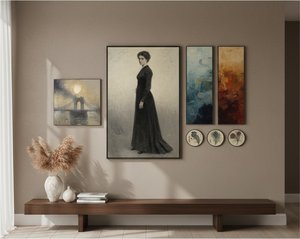
Džems Abbot MekNil Whistler: 25 Remek-dela Majstora Tonalizma | AllPaintingsStore
Istražite 25 remek-dela Džemsa Abota MekNila Whistler-a! Uronite u svet Tonalizma, portreta i prelepog pejzaža. Kupite vrhunske reprodukcije slika na AllPaintingsStore.com i obogatite svoj enterijer luksuznom umetnošću.

James Sant: Capturing Victorian Childhood & the Evolving Landscape of British Genre Painting
Explore the life & art of James Sant (1820-1916), renowned Victorian portraitist to Queen Victoria. Discover his captivating depictions of childhood, landscapes, and aristocratic society. Learn about his legacy & find fine art reproductions.

The Gaze of a Changing World: Victorian Realism & Modern Life
Explore the captivating world of Victorian Realism! Discover genre painting's rise, social commentary in art, & masters like Fedotov and Wilkie. Expert analysis & high-quality reproductions at AllPaintingsStore.
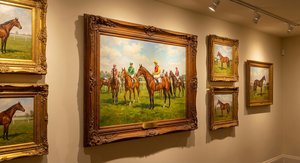
Sir Alfred Munnings' Masterpieces: 25 Paintings That Define Equine Art | AllPaintingsStore
Explore 25 iconic Sir Alfred Munnings paintings! Discover the beauty of British Impressionism, equine art & rural England. Find museum-quality reproductions and elevate your home decor with AllPaintingsStore. Explore the full collection online.

Jacques Joseph Tissot: A Chronicle of Parisian Life & Narrative Evolution
Explore the captivating world of Jacques Joseph Tissot, a master painter of Belle Époque society. Discover his realism, Impressionistic style, and lasting influence on art history. Learn more at AllPaintingsStore.

