


 Pregledaj u prostoru
 Pošalji
 Podeli
 Detalji o delu
 Vodič
Vodič

 Preuzmi
 Slični predmeti
 Rendgenski snimak
 Automatska prezentacija
 Pitanja i odgovori
 Statistika
Christ Tormented by Demons

 Pročitaj više
Giclee štampa / Umetnički otisak
Giclée štampa ili print na platnu muzejskog kvaliteta uz brzu izradu i raznovrsne opcije završne obrade. ( Kupite ručno oslikano delo Pređi na digitalnu sliku)




P118B дин10

P118H дин10

P118W дин10

P438Z дин10

P508JH дин12

P508YH дин12

P805H дин10

P805Z дин10

P919BZ дин10

P919G дин10

P919XJ дин10

P959ZH дин10

P968JZ дин12

W106C дин8

W218G дин10

W218JH дин8

W218Y дин10

W307PJ дин10

W316G дин10

W316PJ дин8

W316Y дин10

W398PJ дин8

W4111J дин10

W500HY дин15

W500JH дин15

W692G дин12

W849H дин8

W940BG дин15

W953PJ дин8




Izaberite jednu od naših unapred definisanih veličina koje odgovaraju originalnim proporcijama umetničkog dela.

Unesite željenu širinu i visinu kako bi se štampa uklopila u vaš ram ili zid. Štampu je moguće samo iseći, ali nikada povećati iznad dimenzija originalne slike, stoga format sa drugačijim proporcijama uzrokuje gubitak dela slike. Pre početka štampe, poslaćemo vam digitalni prikaz radi potvrde. Slika prikazana na ovoj stranici ne predstavlja stvarni isrez — to pokazuje samo digitalni prikaz.
Dostava širom sveta () za 2 nedelje umesto uobičajenih 4/5 nedelja. (20 новембар)

Besplatna ekspresna dostava širom sveta

Visokokvalitetno laneno platno

Potpuno osiguranje transporta

Garancija povraćaja carine i uvoznih dažbina

Garancija vernosti boja

Politika povraćaja u roku od 100 dana (samo u slučaju nedostataka)

Garancija povrata 100% novca

Popust na više proizvoda
 Opcija sa staklom dostupna je samo za dimenzije manje od 110 cm

Christ Tormented by Demons
Giclee štampa / Umetnički otisak
Dimenzije reprodukcije
-


Ukupna cena
дин 6810
James Ensor’s Disturbing Vision of Suffering
James Ensor (1860 – 1949), a Belgian artist whose career spanned over eight decades, remains an enigmatic figure in the annals of Expressionism. Born in Ostend, a coastal town steeped in maritime tradition and cultural exchange between England and Belgium, Ensor’s formative years instilled within him a profound appreciation for theatricality and visual spectacle—influences that would irrevocably shape his artistic output.
- Subject Matter: The painting depicts Christ crucified, a familiar motif of Christian iconography but rendered with unsettling realism. However, Ensor doesn’t portray Jesus as a serene martyr; instead, he presents him as tormented by demonic forces, capturing the visceral horror of crucifixion in a manner strikingly unconventional for its time.
- Style: Ensor's style is undeniably Expressionist, prioritizing emotional intensity over meticulous representation. He eschewed academic conventions, favoring bold brushstrokes and jarring color palettes to convey psychological states rather than objective observation. This deliberate rejection of traditional aesthetics aligns him firmly with the burgeoning avant-garde movement that sought to express inner turmoil and societal anxieties.
- Technique: Ensor employed oil paint on canvas, utilizing a technique characterized by thick impasto—a layering of pigment onto the surface that creates palpable texture. The artist’s deliberate manipulation of brushstrokes contributes significantly to the painting's dramatic effect, emphasizing movement and conveying a sense of unease.
Historical Context: A Reflection of Anxiety
Created in 1895, “Christ Tormented by Demons” emerged during a period marked by intellectual ferment and social upheaval. The Symbolist movement was gaining momentum, challenging prevailing Victorian ideals with explorations of subconsciousness and mythic narratives. Simultaneously, anxieties surrounding spiritual decline and the encroaching influence of materialism fueled artistic responses that mirrored these concerns. Ensor’s depiction of Christ embodies this spirit—a confrontation with suffering not merely as a theological concept but as an inescapable human experience.
- Symbolism: The painting overflows with symbolic imagery. The cross itself represents Christian faith, yet it is overlaid with grotesque demons symbolizing evil and despair. The surrounding figures – angels and men – further complicate the narrative, suggesting conflicting interpretations of morality and redemption.
- Emotional Impact: Ensor’s masterful use of color—primarily muted reds and yellows—intensifies the painting's emotional impact. These hues evoke feelings of pain, fear, and vulnerability, mirroring the psychological torment experienced by Christ. The artist compels viewers to confront uncomfortable truths about human suffering and the pervasive presence of darkness within the human psyche.
A Legacy of Unease
"Christ Tormented by Demons" stands as a testament to Ensor’s unwavering commitment to artistic innovation and his willingness to challenge societal norms. It remains a powerfully disturbing image, prompting ongoing debate about its interpretation and enduring relevance. Its influence can be seen in subsequent Expressionist artists who similarly sought to depict the darker side of human existence with uncompromising honesty.
- Contemporary Relevance: Ensor’s exploration of psychological torment continues to resonate with audiences today, reminding us that art possesses the capacity to confront uncomfortable realities and provoke profound introspection.
- Interior Design Inspiration: The painting's dramatic palette and textural surface can serve as inspiration for creating spaces imbued with mood and atmosphere—particularly those aiming for a gothic or unsettling aesthetic.
Pitanja i odgovori
Gde mogu kupiti ručno oslikanu reprodukciju dela „Christ Tormented by Demons”, autor Џејмс Енсор?
Ručno oslikane kopije dela „Christ Tormented by Demons”, autor Џејмс Енсор mogu se kupiti na stranici ovaj sajt: ručno oslikana uljana reprodukcija na lanenom platnu, putem njihove stranice za naručivanje reprodukcija Ručno oslikana reprodukcija ulja na platnu.
Koji umetnik i koji stil stoje iza "Christ Tormented by Demons"?
Autor dela "Christ Tormented by Demons" je Џејмс Енсор, koji pripada pokretu Expressionistic Horror.
Kakav osećaj prenosi „Christ Tormented by Demons”, autor Џејмс Енсор?
U delu "Christ Tormented by Demons", Dramatic raspoloženje prati Dramatic emocija.
Srodna umetnička dela


Biografija umetnika
James Ensor: A Pioneer of Expressionism and Surrealism
James Sidney Edouard, Baron Ensor (Ostend, 13 April 1860 – 19 November 1949) was a Belgian painter and printmaker who stands as one of the most influential figures in the development of Expressionism and Surrealism. Born into an English father and Belgian mother amidst the vibrant atmosphere of Ostend’s seaside resort town, Ensor’s upbringing instilled within him a profound fascination with observation and detail—a foundation upon which he would construct his distinctive artistic vision.
Early Influences and Artistic Training
From a young age, Ensor demonstrated an exceptional talent for drawing and painting. Encouraged by his parents' operation of a souvenir shop brimming with curiosities and carnival masks – a veritable cabinet of wonders that ignited his imagination – he pursued formal artistic training at the Académie Royale des Beaux-Arts in Brussels. Despite encountering resistance from the rigid academic conventions of the time, Ensor quickly recognized the necessity of forging his own path, prioritizing experimentation and personal expression above all else.
The Emergence of Grotesque Vision
Around 1886–87, Ensor embarked on a transformative artistic journey, rejecting Impressionistic ideals in favor of a bold embrace of grotesque imagery. Influenced by Rembrandt’s masterful use of chiaroscuro, the unsettling visions of Francisco Goya, and the evocative symbolism of Japanese woodcuts, he developed a highly personal iconography characterized by jarring juxtapositions of color and form.
Major Works and Recurring Themes
Ensor's oeuvre is marked by an unparalleled exploration of psychological complexity and social critique. Paintings like *The Oyster-eater* (1882) exemplify his meticulous attention to detail and his ability to convey profound emotional resonance, while *Christ’s Entry into Brussels* (1888–89), arguably his magnum opus, remains a monumental satire of religious hypocrisy—a painting initially met with vehement disapproval but now universally recognized as a cornerstone of Expressionist art.
Legacy and Influence
James Ensor's uncompromising artistic vision profoundly impacted subsequent generations of artists. His rejection of academic formalism, coupled with his fearless confrontation of taboo subjects and his masterful manipulation of visual language—particularly the use of bold brushstrokes and vibrant hues—established him as a pivotal figure in the genesis of Expressionism and Surrealism. Today, Ensor’s work continues to inspire awe and provoke contemplation, serving as a timeless reminder that art possesses the capacity to unsettle conventions and illuminate the darkest recesses of human consciousness.
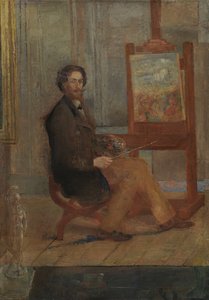
Џејмс Енсор
1860 - 1949 , Белгија
Osnovne informacije
- Artistic Movement Or Style:
- Симболизам
- Експресионизам
- Artists Or Movements Influenced By This Artist:
- Експресионизам
- Сурреализам
- Artists Who Influenced This Artist:
- Питер Бругел Стари
- Франсиско Гоја
- Џејмс Ејбот Макнил Вистлер
- Date Of Birth: 1860
- Date Of Death: 1949
- Full Name: James Sidney Edouard Ensor
- Nationality: Белегијац
- Notable Artworks:
- Христово улазак у Брисл
- Човек са жаљењем
- Једеница са острима
- Муке Светог Антона
- Скелети који се боре око hanging man
- Place Of Birth: Остенд, Бележија
Povezani članci

The Weight of Emotion: Analyzing Color and Distortion in German Expressionist Art
Explore the raw emotion and distorted forms of German Expressionism through expert analysis. Discover the power of color and technique today.

25 Masterpieces by Sandro Botticelli: The Ultimate Guide to Renaissance Beauty
Journey through the ethereal beauty of Sandro Botticelli's greatest works. From The Birth of Venus to his mythic Renaissance masterpieces, explore the stories and techniques behind these icons. Find museum-quality art reproductions for your decor. Discover all masterpieces on AllPaintingsStore.com

Visualizing Dread: The Expressionist Language of Psychological Tension
Explore the visual language of dread through Munch and Kirchner. Discover how Expressionism captures psychological tension.

Master of Emotion: The 25 Greatest Artworks by Rogier van der Weyden
Immerse yourself in the profound emotion of Rogier van der Weyden’s greatest works. Explore 25 iconic Northern Renaissance masterpieces, from intricate textures to divine pathos. Find museum-quality art reproductions and decor inspiration. Discover all masterpieces on AllPaintingsStore.com.

Masterpieces of Madness: The Top 25 Greatest Artworks by Hieronymus Bosch
Explore 25 surreal masterpieces by Hieronymus Bosch. Discover legendary Northern Renaissance art on AllPaintingsStore.com.


