


 Pregledaj u prostoru
 Pošalji
 Podeli
 Detalji o delu
 Vodič
Vodič

 Preuzmi
 Slični predmeti
 Rendgenski snimak
 Automatska prezentacija
 Pitanja i odgovori
 Statistika
Cranes Fleuris

 Pročitaj više
Nabavite datoteku spremnu za štampu koja nudi znatno veći kvalitet od onlajn pregleda. Svaka digitalna slika koju nudimo potiče iz visokorezolucičnog master fajla iz naše baze — obično širine od 5.000 do 15.000 piksela — što vam omogućava štampu u velikom formatu, precizno kadriranje ili bezbrižnu reprodukciju najfinijih detalja.
Nijedan fajl ne napušta naš studio netaknut. Digitalni stručnjak vrši proveru boja u odnosu na originalno delo i koriguje ih po potrebi, a zatim unapređuje jasnoću i detalje pomoću profesionalnih alata za retuširanje — uvek ostajući veran umetnikovim potezima četkice i stilu. Rezultat je slika koja izgleda kao pravo delo, a ne kao sken sa filterom.
Proverite i odobrite pre završetka: naš stručnjak vam šalje sliku putem e-pošte u roku od 72 sata na pregled. Niste zadovoljni? Zatražite poboljšanja ili ispravke, ili tražite povraćaj novca ukoliko kvalitet ne ispunjava vaša očekivanja.
Ovo je kvalitet kojem poverenje ukazuju izdavači, dizajnerski studiji, galerije i štamparije.
Digitalna slika
Preuzmite datoteku visoke rezolucije za ličnu upotrebu, štampanje i kreativne projekte. ( Pređi na štampu Kupite ručno oslikano delo)
Uključeno uz svaku porudžbinu digitalne slike
Profesionalna digitalna isporuka, zagarantovana
Kada odaberete AllPaintingsStore.com, ne dobijate samo sliku – vi primate profesionalno unapređeno digitalno umetničko delo, izrađeno sa najvećom preciznošću i uz garanciju zadovoljstva. Evo svega što automatski dolazi uz vašu porudžbinu:

Brza dostava putem e-pošte
Vaša digitalna slika visoke rezolucije biće vam poslata putem e-pošte u roku od 72 sata od poručivanja – spremna za trenutnu upotrebu.

Digitalna datoteka unapređena veštačkom inteligencijom
Vaše umetničko delo je profesionalno optimizovano primenom naprednih AI alata i ručne obrade, čime se osiguravaju maksimalni detalji, oštrina i preciznost boja.

Besplatna doživotna ponovna isporuka
Slučajno ste obrisali ili izgubili svoju datoteku? Ne brinite – poslaćemo vam je ponovo u bilo kom trenutku, potpuno besplatno.

Bez troškova uvoza – zauvek
Uživajte u svojim umetničkim delima trenutno, bez carine, akciza ili troškova dostave – digitalni download je uvek bez poreza.

Garancija preciznosti boja
Uz pomoć profesionalnih alata i upravljanja bojama, osiguravamo da vaša digitalna slika što vernije odražava originalne boje.

Garancija zadovoljstva u roku od 100 dana
Ako niste zadovoljni svojom digitalnom slikom, izvršićemo reviziju ili ćemo vam vratiti 100% novca u roku od 100 dana – bez ikakvih pitanja.

100% garancija povrata novca
Niste zadovoljni? Dobijte puni povraćaj novca u roku od 100 dana od prijema digitalne datoteke – bez suvišnih pitanja.

Popusti na velike porudžbine
Kupite 3 slike, uštedite 10% - Kupite 5 slika, uštedite 15% - Kupite 10+ slika, uštedite 20%. Odlično za kreativne projekte, galerije i agencije.
A Portrait of Transient Beauty: Unpacking James Ensor's "Crane Fleuris"
James Ensor’s “Crane Fleuris” isn’t merely a painting; it’s an unsettling encounter. Created in the early 20th century, this arresting work plunges the viewer into a world where life and death intertwine with unnerving beauty. Born in Ostend, Belgium, to an English father and Belgian mother – a heritage that undoubtedly shaped his artistic perspective – Ensor spent his career exploring themes of identity, social commentary, and, most powerfully, the ephemeral nature of existence. “Crane Fleuris,” painted around 1896, stands as a cornerstone of his Expressionist style, a bold declaration against academic tradition and a profound meditation on mortality.
The painting immediately confronts us with its arresting central image: a woman whose head is replaced by a meticulously rendered skeleton. This isn’t a gruesome spectacle, however; rather, it's presented within an opulent tableau of flowers – roses, lilies, and other blooms – that seem to both adorn and engulf her. The blue ribbon encircling the skeletal neck adds a layer of poignant formality, suggesting a ritualistic preparation for departure. Ensor masterfully juxtaposes these elements, creating a visual paradox: death is not presented as frightening or terrifying, but rather as an integral part of life’s cycle, beautifully framed within the transient beauty of floral arrangements.
Expressionist Techniques and a Distorted Reality
Ensor's technique in “Crane Fleuris” is deliberately jarring. He employs thick, impasto brushstrokes that build up layers of color, creating a tactile surface that draws the eye into the painting’s depths. The palette is dominated by rich, saturated hues – deep reds, blues, and greens – intensified with touches of gold and silver. These colors aren't used to represent reality faithfully; instead, they are employed to evoke emotion, amplifying the sense of drama and unease that permeates the scene. The forms themselves are distorted, figures rendered with a deliberate lack of precision, contributing to the overall feeling of disorientation and psychological tension.
Notably, Ensor’s use of color and form aligns closely with the principles of Expressionism, an artistic movement that sought to convey subjective emotions rather than objective reality. He deliberately rejects naturalistic representation in favor of a more visceral and emotionally charged approach. The skeletal head, rendered with such detail, isn't simply a symbol of death; it’s a visual embodiment of vulnerability and the inevitability of decay.
Symbolism and the Weight of Mortality
Beyond its immediate visual impact, “Crane Fleuris” is laden with symbolism. The flowers themselves represent life, beauty, and the fleeting nature of earthly pleasures. Their presence around the skeleton suggests a poignant acceptance of mortality – a recognition that even in death, there can be a kind of grace or dignity. The scattered skulls and bones further reinforce this theme, creating a haunting reminder of our shared fate. The inclusion of potted plants, small pockets of life amidst the morbid setting, adds another layer of complexity, hinting at the persistence of nature’s cycle despite human mortality.
Furthermore, Ensor's background in theatrical design and his membership in the avant-garde group Les XX – a collective known for its experimentation with form and color – informed his approach to creating unsettling yet captivating imagery. “Crane Fleuris” echoes works like "Coquillages" and "Les pommes rouges," demonstrating Ensor’s consistent exploration of themes related to death, decay, and the human condition. It's a painting that invites contemplation on the fragility of existence and the beauty found within its inevitable end.
A Timeless Masterpiece: Reproduction Possibilities
AllPaintingsStore offers meticulously crafted hand-painted reproductions of “Crane Fleuris,” allowing art lovers to experience Ensor’s masterpiece in stunning detail. Whether you're a collector, an interior designer seeking a thought-provoking statement piece, or simply someone captivated by the power of art, our reproductions capture the essence of this iconic work. Each reproduction is created using archival quality materials and techniques, ensuring that it will retain its beauty and vibrancy for generations to come. Explore our collection today and bring the haunting allure of “Crane Fleuris” into your space.
Pitanja i odgovori
Kakvo se raspoloženje i emocija prepliću u "Cranes Fleuris"?
Zabeleženo raspoloženje dela „Cranes Fleuris”, autor Џејмс Енсор je Dramatic, a njegov emocionalni ton je Melancholic.
Da li "Cranes Fleuris" prikazuje snažne kontraste svetla i tame?
Nivo kontrasta dela „Cranes Fleuris”, autor Џејмс Енсор je Bold.
Postoji li vodič za „Cranes Fleuris”, autor Џејмс Енсор?
Dostupna je Vodič za učenike stranica za „Cranes Fleuris”, autor Џејмс Енсор: štampani informativni list o umetničkom delu, dizajniran za učenike i upotrebu u učionici.
Srodna umetnička dela


Biografija umetnika
James Ensor: A Pioneer of Expressionism and Surrealism
James Sidney Edouard, Baron Ensor (Ostend, 13 April 1860 – 19 November 1949) was a Belgian painter and printmaker who stands as one of the most influential figures in the development of Expressionism and Surrealism. Born into an English father and Belgian mother amidst the vibrant atmosphere of Ostend’s seaside resort town, Ensor’s upbringing instilled within him a profound fascination with observation and detail—a foundation upon which he would construct his distinctive artistic vision.
Early Influences and Artistic Training
From a young age, Ensor demonstrated an exceptional talent for drawing and painting. Encouraged by his parents' operation of a souvenir shop brimming with curiosities and carnival masks – a veritable cabinet of wonders that ignited his imagination – he pursued formal artistic training at the Académie Royale des Beaux-Arts in Brussels. Despite encountering resistance from the rigid academic conventions of the time, Ensor quickly recognized the necessity of forging his own path, prioritizing experimentation and personal expression above all else.
The Emergence of Grotesque Vision
Around 1886–87, Ensor embarked on a transformative artistic journey, rejecting Impressionistic ideals in favor of a bold embrace of grotesque imagery. Influenced by Rembrandt’s masterful use of chiaroscuro, the unsettling visions of Francisco Goya, and the evocative symbolism of Japanese woodcuts, he developed a highly personal iconography characterized by jarring juxtapositions of color and form.
Major Works and Recurring Themes
Ensor's oeuvre is marked by an unparalleled exploration of psychological complexity and social critique. Paintings like *The Oyster-eater* (1882) exemplify his meticulous attention to detail and his ability to convey profound emotional resonance, while *Christ’s Entry into Brussels* (1888–89), arguably his magnum opus, remains a monumental satire of religious hypocrisy—a painting initially met with vehement disapproval but now universally recognized as a cornerstone of Expressionist art.
Legacy and Influence
James Ensor's uncompromising artistic vision profoundly impacted subsequent generations of artists. His rejection of academic formalism, coupled with his fearless confrontation of taboo subjects and his masterful manipulation of visual language—particularly the use of bold brushstrokes and vibrant hues—established him as a pivotal figure in the genesis of Expressionism and Surrealism. Today, Ensor’s work continues to inspire awe and provoke contemplation, serving as a timeless reminder that art possesses the capacity to unsettle conventions and illuminate the darkest recesses of human consciousness.
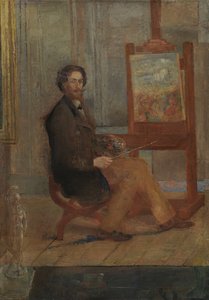
Џејмс Енсор
1860 - 1949 , Белгија
Kratke informacije
- Artistic Movement Or Style:
- Симболизам
- Експресионизам
- Artists Or Movements Influenced By This Artist:
- Експресионизам
- Сурреализам
- Artists Who Influenced This Artist:
- Питер Бругел Стари
- Франсиско Гоја
- Џејмс Ејбот Макнил Вистлер
- Date Of Birth: 1860
- Date Of Death: 1949
- Full Name: James Sidney Edouard Ensor
- Nationality: Белегијац
- Notable Artworks:
- Христово улазак у Брисл
- Човек са жаљењем
- Једеница са острима
- Муке Светог Антона
- Скелети који се боре око hanging man
- Place Of Birth: Остенд, Бележија