


 Pregledaj u prostoru
 Pošalji
 Podeli
 Detalji o delu
 Vodič
Vodič

 Preuzmi
 Slični predmeti
 Rendgenski snimak
 Automatska prezentacija
 Q&A
Q&A Statistika
Fortune Teller

- 132.0 x 155.0 cm


 Pročitaj više
Giclee štampa / Umetnički otisak
Giclée štampa ili print na platnu muzejskog kvaliteta uz brzu izradu i raznovrsne opcije završne obrade. ( Kupite ručno oslikano delo Pređi na digitalnu sliku)




P118B дин10

P118H дин10

P118W дин10

P438Z дин10

P508JH дин12

P508YH дин12

P805H дин10

P805Z дин10

P919BZ дин10

P919G дин10

P919XJ дин10

P959ZH дин10

P968JZ дин12

W106C дин8

W218G дин10

W218JH дин8

W218Y дин10

W307PJ дин10

W316G дин10

W316PJ дин8

W316Y дин10

W398PJ дин8

W4111J дин10

W500HY дин15

W500JH дин15

W692G дин12

W849H дин8

W940BG дин15

W953PJ дин8




Izaberite jednu od naših unapred definisanih veličina koje odgovaraju originalnim proporcijama umetničkog dela.

Unesite željenu širinu i visinu kako bi se štampa uklopila u vaš ram ili zid. Štampu je moguće samo iseći, ali nikada povećati iznad dimenzija originalne slike, stoga format sa drugačijim proporcijama uzrokuje gubitak dela slike. Pre početka štampe, poslaćemo vam digitalni prikaz radi potvrde. Slika prikazana na ovoj stranici ne predstavlja stvarni isrez — to pokazuje samo digitalni prikaz.
Dostava širom sveta () za 2 nedelje umesto uobičajenih 4/5 nedelja. (2 новембар)

Besplatna ekspresna dostava širom sveta

Visokokvalitetno laneno platno

Potpuno osiguranje transporta

Garancija povraćaja carine i uvoznih dažbina

Garancija vernosti boja

Politika povraćaja u roku od 100 dana (samo u slučaju nedostataka)

Garancija povrata 100% novca

Popust na više proizvoda
 Opcija sa staklom dostupna je samo za dimenzije manje od 110 cm

Fortune Teller
Giclee štampa / Umetnički otisak
Dimenzije reprodukcije
-


Ukupna cena
дин 6693
Fortune Teller
Jan Cossiers’ “Fortune Teller” stands as a testament to the Antwerp School's masterful blend of Caravaggio’s dramatic chiaroscuro and humanist observation, capturing a moment of quiet contemplation amidst an opulent setting. Painted in 1640 during the height of Rubensian influence, this portrait delves into psychological depth rarely achieved by its contemporaries. The painting depicts a man dressed in a scarlet jacket adorned with intricate embroidery—a bold choice reflecting the fashion trends of the era—seated beside a woman who exudes an aura of prophetic wisdom. Her gaze is fixed upward, suggesting introspection and perhaps divination, while her hand rests delicately upon a handkerchief embroidered with floral motifs – symbols commonly associated with femininity and grace. The scene unfolds within a richly decorated room bathed in diffused light, highlighting the textures of velvet drapery and gilded ornamentation. This deliberate use of illumination underscores Cossiers’ commitment to Caravaggio's technique, creating an atmosphere of palpable drama despite the stillness of the figures. Cossiers skillfully employs oil paint on canvas, layering translucent glazes to achieve remarkable luminosity and capturing subtle nuances of skin tone and fabric texture. The artist’s meticulous attention to detail—evident in the rendering of folds in clothing and the delicate embroidery—demonstrates a profound understanding of artistic craftsmanship. Furthermore, Cossiers incorporates elements of symbolism into his composition. The scarlet jacket represents ambition and prestige, while the floral handkerchief speaks to themes of fertility and renewal. These visual cues invite viewers to contemplate the complexities of human experience and the pursuit of knowledge. The painting’s emotional impact is palpable—a sense of serene contemplation mingled with an underlying current of mystery. Cossiers succeeds in conveying not merely a likeness but also a psychological portrait, capturing the inner life of his subject and inviting us to ponder questions of fate and destiny. “Fortune Teller” remains a captivating masterpiece, embodying the Antwerp School’s legacy as pioneers of expressive realism and humanist artistry.- Artist: Jan Cossiers
- Birth Year: 1600
- Death Year: 1671
- Birth City: Antwerp
- Birth Country: Belgium
- Biography: Jan Cossiers: A Flemish Baroque Pioneer
Additional Research
The artwork "Fortune Teller" by Jan Cossiers is featured prominently in the Hermitage Museum’s Alte Galerie, showcasing its significance as a cornerstone of Antwerp Baroque painting. Its vibrant color palette and masterful execution exemplify the stylistic innovations championed by Rubens and his successors. The painting's detailed depiction of human emotion and psychological complexity distinguishes it from many other portraits of the period. Furthermore, “Fortune Teller” exemplifies the influence of Caravaggio’s chiaroscuro technique—a dramatic interplay of light and shadow—which Cossiers skillfully employs to heighten the emotional impact of the scene. This stylistic choice underscores the artist's commitment to capturing not just visual appearance but also inner feeling. The painting’s enduring appeal lies in its ability to evoke contemplation and invite viewers to consider profound questions about human nature. The WGA5413 image file, hosted on Wikimedia Commons, provides a high-resolution reproduction of Cossiers’ masterpiece—a valuable resource for scholars and enthusiasts alike. Its accessibility ensures that this iconic artwork continues to inspire generations of artists and audiences worldwide. The painting's meticulous detail and luminous color palette underscore the Antwerp School’s dedication to artistic excellence.File Usage
This artwork is displayed on AllPaintingsStore.com, a curated online gallery specializing in fine art reproductions—a testament to Cossiers’ enduring influence and the continued appreciation for Baroque artistry. Its inclusion within AllPaintingsStore.com underscores its importance as a cultural landmark and contributes to its visibility among collectors and interior designers globally.Pitanja i odgovori
Koliko je godina imao/la Jan Cossiers u vreme nastanka dela "Fortune Teller"?
Jan Cossiers je imao/la 40 godina kada je kreirao/la "Fortune Teller" u 1640. Godina je izračunata na osnovu godine rođenja umetnika, 1600.
Koliko je poznato delo "Fortune Teller" autora Jan Cossiers?
"Fortune Teller" je klasifikovan kao Recognized.
Preporučena veličina i orijentacija štampe za "Fortune Teller"?
Veličina Large, Landscape orijentacija: ovo je preporučena postavka za štampu za „Fortune Teller”, autor Jan Cossiers.
Srodna umetnička dela


Biografija umetnika
The Radiant Shadow: The Life and Legacy of Jan Cossiers
In the heart of the 17th-century Antwerp art scene, few names resonate with as much stylistic versatility as Jan Cossiers. Born on July 15, 1600, in the vibrant Flemish city of Antwerp, Cossiers was destined for a life immersed in the brushstrokes of greatness. He descended from an artistic lineage, being the son of the watercolorist Antoine Cossiers, a fact that provided him with an early and intimate understanding of color and form. His formative years were shaped by the rigorous training of Cornelius de Vos, whose mastery of portraiture laid the groundwork for Cossiers’ ability to capture the human essence. However, it was his restless spirit and pursuit of the avant-garde that would truly define his trajectory, leading him away from the familiar comforts of Flanders toward the sun-drenched landscapes of France and the dramatic shadows of Italy.
The evolution of Cossiers’ style is a captivating journey through the shifting tides of the Baroque era. His travels to Aix-en-Provence in 1623 allowed him to absorb the dynamic energy of Dutch influences, but it was his pilgrimage to Rome in 1624 that fundamentally altered his artistic DNA. There, he encountered the revolutionary tenebrism of Caravaggio—a technique defined by an intense, theatrical interplay between profound darkness and piercing light. This encounter breathed a new, dramatic life into his work. His early repertoire was characterized by Caravaggesque genre scenes, often depicting "low life" subjects with a gritty, unvarnistic realism. These works, such as the evocative Fortune Teller (1640), utilized masterful chiaroscuro to transform mundane moments of contemplation or social interaction into profound psychological studies.
From Genre Scenes to Grand Narratives
As his career matured, Cossiers transitioned from the intimate, often earthy depictions of everyday life toward the more prestigious realms of history and religious painting. This shift was not merely a change in subject matter but an expansion of his emotional and technical vocabulary. His connection to the legendary Peter Paul Rubens played a pivotal role in this ascension; by working within Rubens’ esteemed workshop, Cossiers refined his ability to handle large-scale compositions and complex, multi-figure narratives. The influence of Rubens is evident in the increased dynamism and opulent detail found in his later works, where the stark shadows of his youth began to mingle with a more sophisticated use of color and movement.
His religious canvases stand as testaments to his ability to convey spiritual fervor through physical drama. In masterpieces such as The Martyrdom of Saint Catherine (1647) and Jesus appears to Mary Magdalene, Cossiers utilizes the dramatic tension learned in Rome to evoke deep piety and suffering. His work Saint Nicholas Delivrant des Captifs further demonstrates his command over the Baroque epic, blending intense emotion with a dynamic composition that guides the viewer's eye through a sea of biblical struggle. Even in his more quiet moments, such as his meticulous Self Portrait, one can sense the dignity and technical precision that earned him high standing within the Antwerp artistic community.
A Pillar of the Antwerp School
Beyond the canvas, Jan Cossiers was a central figure in the institutional fabric of Flemish art. His ascent to the position of Dean of Saint Luke's Guild in 1640 signifies not only his technical mastery but also his profound respect among his peers. He lived through a period of immense cultural transition, acting as a bridge between the raw, dramatic energy of early Caravaggism and the more refined, classical sensibilities that would follow. His life was a tapestry of professional triumph and personal complexity, marked by significant connections to intellectuals like Nicolas Claude Fabri de Peiresc and the prestigious circles of the Antwerp elite.
The historical significance of Jan Cossiers lies in his ability to synthesize diverse influences into a singular, recognizable voice. He took the shadows of Italy, the dynamism of the Netherlands, and the grandeur of Rubens' Flanders to create an oeuvre that was both deeply personal and broadly representative of the Baroque spirit. Today, he is remembered not just as a follower of great masters, but as a pioneer who helped shape the visual language of the 17th century, leaving behind a legacy of light, shadow, and enduring human emotion.

Jan Cossiers
1600 - 1671 , Belgium
Osnovne informacije
- Artistic Movement Or Style: Baroque, Caravaggesque
- Artists Who Influenced This Artist:
- Antoine Cossiers
- Cornelius de Vos
- Caravaggio
- Full Name: Jan Cossiers
- Nationality: Flemish
- Notable Artworks:
- Fortune Teller
- Saint Nicholas Delivering Captives
- St Nicolas Rescuing Captives
- Self Portrait
- Place Of Birth: Antwerp, Belgium
- Date Of Birth: 1600
- Date Of Death: 1671
Povezani članci

Barok Majstor dela: Top 10 Umjetničkih Remeka za Vaš Dom
Otkrijte 10 remek dela koja su definisala baroknu umetnost! Karavagio, Bernini i više – istražite priče iza ovih ikoničnih slika. Inspiracija za vaš dom? Pogledajte kolekciju na AllPaintingsStore.com!

Otključavanje baroknog sjaja: Vodič kroz dramu i emociju umetnosti 17. veka
Otkrijte tajne barokne drame i tehnike kjaroskura kroz naš stručni vodič. Doživite moć 17. veka već danas.

The Dramatic Flourish: Exploring the Baroque Movement's Enduring Legacy in Art History
Explore the dramatic world of Baroque art! Discover iconic artists like Caravaggio & Rubens, defining techniques, and its lasting impact on art history. Expert insights for collectors & enthusiasts at AllPaintingsStore.

The Grandeur of Baroque Portraiture: Power, Emotion & Artistic Innovation
Explore the grandeur of Baroque portraiture! Discover Rubens, Van Dyck & the masters of 17th-century art. Uncover symbolism, techniques & lasting influence. Expert insights for collectors and enthusiasts.
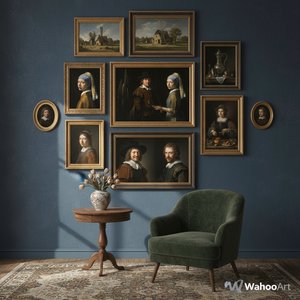
Dutch Baroque Masters: 10 Paintings That Shaped an Era | AllPaintingsStore
Journey through the Golden Age with our guide to the Top 10 Dutch Baroque masterpieces! Explore iconic paintings by Rembrandt, Vermeer & Frans Hals. Find museum-quality art reproductions and elevate your home decor at AllPaintingsStore.com.