


 Pregledaj u prostoru
 Podeli
 Podeli
 Detalji
 Vodič
Vodič

 Preuzmi sliku
 Slični predmeti
 Rendgenski snimak
 Automatska prezentacija
 Statistika
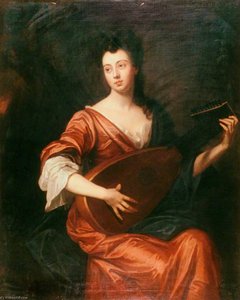
Portrait of a young woman

 Pročitaj više
Ručno rađena uljana reprodukcija
Ručno oslikano uljanim bojama na platnu u dimenzijama i okviru po vašem izboru, izrađeno po porudžbini od strane naših umetnika. ( Pređi na prodaju štampanih primeraka Pređi na prodaju digitalnih slika)




































Izaberite jednu od naših unapred definisanih veličina koje odgovaraju originalnim proporcijama umetničkog dela.

Možete uneti sopstvene dimenzije kako biste prilagodili umetničko delo određenom okviru ili prostoru. Ako odabrana veličina ne odgovara proporcijama originala, slika će biti isečena ili proširena dodatnim elementima koji se ručno oslikavaju. Digitalni prikaz će vam biti poslat na odobrenje pre početka proizvodnje.
Imajte na umu da pregled na ekranu ne odražava stvarno prisecanje ili proširenje. Samo mockup će precizno prikazati konačnu kompoziciju.
Iako su dostupne prilagođene veličine, preporučujemo da izaberete dimenziju iz unapred definisane liste kako biste sačuvali originalne proporcije.
Nakon narudžbine, tim AllPaintingsStore.com će klijentu putem e-pošte poslati uputstva i dostaviti prikaz predloženog rešenja
Svetska isporuka () za 3/4 nedelje umesto uobičajenih 5 nedelja. (21 септембар). Bez kompromisa po pitanju kvaliteta.

Besplatna ekspresna dostava širom sveta

Visokokvalitetno laneno platno

Sveobuhvatno osiguranje transporta

Garancija povraćaja carine i uvoznih dažbina

Garancija vernosti boja i autentičnosti pri reprodukciji

Politika povraćaja u roku od 100 dana (samo u slučaju nedostataka)

Garancija povrata 100% novca

Popust pri većoj količini
 Opcija sa staklom dostupna je samo za dimenzije manje od 110 cm

Portrait of a young woman
Tehnika izrade reprodukcije
Veličina reprodukcije
-


Ukupna cena
$ 258
Srodna umetnička dela




Biografija umetnika
Jan Kupecky: The Eloquent Portraitist of Baroque Slovakia
Jan Kupecky (1667-1740), a name perhaps less familiar than some of his contemporaries, nevertheless stands as a significant figure in the history of Slovak and European art. Born in Pezinok, a town near Pressburg (Bratislava) in 1667, Kupecky’s life was one of constant movement and adaptation, shaped by religious upheaval and artistic ambition. His journey took him from the Czech Brethren roots of his family through Hungary, Vienna, Italy, and finally to Nuremberg, leaving behind a legacy of refined portraits that capture the elegance and social dynamics of the 18th century. Kupecky’s work is characterized by a masterful blend of realism and idealized beauty, reflecting both the Baroque traditions he embraced and his own distinctive artistic sensibility.Early Life and Artistic Training
Kupecký's origins were deeply intertwined with religious persecution. As a member of the Protestant Czech Brethren community, his family sought refuge in Royal Hungary from Catholic authorities. This early experience undoubtedly instilled within him a sense of resilience and perhaps a subtle awareness of social constraints – qualities that would later inform his portraits. His artistic training began under the tutelage of Benedict Klaus, a Swiss painter active in both Vienna and Hungary, providing him with a foundational understanding of Baroque techniques. Crucially, Kupecký’s ambition led him to Italy, where he spent approximately twenty years immersed in the vibrant art scene of Rome and Venice. This period proved transformative, exposing him to the innovations of Caravaggio, Reni, and other masters, influencing his dramatic use of light, composition, and psychological insight. He returned to Vienna in 1709, a seasoned artist ready to establish himself as a prominent portraitist within the Habsburg court.Vienna: Court Painter and Artistic Flourishing
Kupecký’s arrival in Vienna marked a period of intense artistic activity and considerable success. He quickly gained recognition for his ability to capture the personalities and social standing of his subjects – from members of the royal family, like Prince Eugene of Savoy, to wealthy aristocrats and prominent scholars. His portraits were not merely likenesses; they were carefully constructed narratives, revealing character through gesture, expression, and attire. The demand for his services was substantial, leading him to travel extensively throughout Central Europe, undertaking commissions in Hungary, Poland, and beyond. Notably, he even painted a portrait of Peter the Great, reflecting the international significance of Vienna as a cultural hub. Despite his success, Kupecký remained somewhat detached from Viennese society, maintaining a reserved demeanor and adhering to his Protestant faith – a characteristic that Füssli, a fellow artist, noted as setting him apart.Key Works and Artistic Style
Kupecky’s oeuvre is distinguished by several key elements. His portraits are characterized by a remarkable attention to detail, from the texture of fabrics to the subtle nuances of facial expression. He employed dramatic lighting techniques reminiscent of Caravaggio, creating strong contrasts between light and shadow that heightened the emotional impact of his compositions. His use of color was restrained yet sophisticated, favoring rich jewel tones and muted earth tones to create a sense of elegance and refinement. The artist’s family portraits are particularly noteworthy, offering intimate glimpses into the lives of his own kin – including his wife and son, depicted in “The Artist with his Wife and Son,” a work that exemplifies his ability to convey both familial affection and artistic skill. Other notable works include "Young Man with a Violin" and "Portrait of a Young Woman," showcasing his mastery of capturing youthful beauty and conveying inner character.Legacy and Historical Significance
Jan Kupecky’s influence extended far beyond his lifetime. His portraits were widely circulated through engravings, ensuring their accessibility to a broader audience. Bernhard Vogel produced numerous prints based on Kupecký's paintings, contributing significantly to the artist’s fame. Today, his works are housed in prestigious collections across Europe, including Bratislava City Gallery, which holds the most comprehensive collection of prints after his paintings. Kupecky represents a crucial link between the Baroque and Rococo periods, embodying the elegance and social consciousness that defined 18th-century portraiture. He stands as a testament to the artistic talent nurtured within Slovakia and a significant contributor to the rich tapestry of European art history. His legacy continues to be appreciated for his technical skill, psychological insight, and ability to capture the essence of his subjects – making him a truly remarkable artist.
jan kupecky
1667 - 1740 , Slovakia
Brzi pregled
- Artistic Movement Or Style: Baroque portraiture
- Artists Or Movements Influenced By This Artist:
- Caravaggio
- Reni
- Rembrandt
- Artists Who Influenced This Artist: ['Benedikt Klaus']
- Date Of Birth: 1667 Pezinok
- Date Of Death: 1740 Nuremberg
- Full Name: Jan Kupecký
- Nationality: Slovakian
- Notable Artworks:
- Self-portrait with Portrait of his Wife
- Young Man with a Violin
- Portrait of a young woman
- Place Of Birth: Pezinok, Slovakia
Srodni članci

Барокна драма: Уношење величине и емоција у савремене ентеријере
Откријте барокну драму и унесите величину у ваш ентеријер! AllPaintingsStore нуди ручно насликане репродукције, персонализоване портрете и стручне консултације за љубитеље класичне уметности. Потражите савршено дело већ данас!

The Enduring Power of Painting: A Historical & Contemporary Exploration of Form and Emotion
Explore the rich history & enduring techniques of oil painting with AllPaintingsStore. Discover masterpieces, learn about art collecting, and find authentic handmade reproductions crafted by skilled artists.

The Enduring Legacy of Oil on Canvas: Technique, History & Aesthetic Impact
Explore the rich history & techniques of oil painting – from Renaissance masters to Impressionism. Discover pigments, layering methods, and why this timeless medium endures. Expert insights for artists & art enthusiasts.

The Dramatic Flourish: Exploring the Baroque Movement's Enduring Legacy in Art History
Explore the dramatic world of Baroque art! Discover iconic artists like Caravaggio & Rubens, defining techniques, and its lasting impact on art history. Expert insights for collectors & enthusiasts at AllPaintingsStore.

Oil on Canvas: A Historical & Technical Exploration of a Timeless Artistic Medium
Explore the rich history & enduring techniques of oil painting on canvas. Discover the science behind its longevity, conservation practices, and contemporary relevance. Expert insights for art enthusiasts.

