


 Pregledaj u prostoru
 Pošalji
 Podeli
 Detalji o delu
 Vodič
Vodič

 Preuzmi
 Slični predmeti
 Rendgenski snimak
 Automatska prezentacija
 Q&A
Q&A Statistika
untitled (5187)


 Pročitaj više
Giclee štampa / Umetnički otisak
Giclée štampa ili print na platnu muzejskog kvaliteta uz brzu izradu i raznovrsne opcije završne obrade. ( Kupite ručno oslikano delo Pređi na digitalnu sliku)




P118B дин10

P118H дин10

P118W дин10

P438Z дин10

P508JH дин12

P508YH дин12

P805H дин10

P805Z дин10

P919BZ дин10

P919G дин10

P919XJ дин10

P959ZH дин10

P968JZ дин12

W106C дин8

W218G дин10

W218JH дин8

W218Y дин10

W307PJ дин10

W316G дин10

W316PJ дин8

W316Y дин10

W398PJ дин8

W4111J дин10

W500HY дин15

W500JH дин15

W692G дин12

W849H дин8

W940BG дин15

W953PJ дин8




Izaberite jednu od naših unapred definisanih veličina koje odgovaraju originalnim proporcijama umetničkog dela.

Unesite željenu širinu i visinu kako bi se štampa uklopila u vaš ram ili zid. Štampu je moguće samo iseći, ali nikada povećati iznad dimenzija originalne slike, stoga format sa drugačijim proporcijama uzrokuje gubitak dela slike. Pre početka štampe, poslaćemo vam digitalni prikaz radi potvrde. Slika prikazana na ovoj stranici ne predstavlja stvarni isrez — to pokazuje samo digitalni prikaz.
Dostava širom sveta () za 2 nedelje umesto uobičajenih 4/5 nedelja. (3 новембар)

Besplatna ekspresna dostava širom sveta

Visokokvalitetno laneno platno

Potpuno osiguranje transporta

Garancija povraćaja carine i uvoznih dažbina

Garancija vernosti boja

Politika povraćaja u roku od 100 dana (samo u slučaju nedostataka)

Garancija povrata 100% novca

Popust na više proizvoda
 Opcija sa staklom dostupna je samo za dimenzije manje od 110 cm

untitled (5187)
Giclee štampa / Umetnički otisak
Dimenzije reprodukcije
-


Ukupna cena
дин 6693
A Window Into Faith: The Luminous World of Jan van Eyck
In the quiet corners of fifteenth-century Flanders, a revolution was unfolding, not through the clash of swords, but through the delicate application of oil on panel. Jan van Eyck, a master whose name remains synonymous with the dawn of the Northern Renaissance, captured this transformative era in his untitled masterpiece (5187). This painting is far more than a mere depiction of a religious scene; it is an invitation to step through a portal into a world where the divine and the earthly are inextricably linked. As one gazes upon the composition, there is an immediate sense of profound stillness, a meditative atmosphere that draws the viewer into a sacred dialogue between the figures and the light that bathes them.
The scene unfolds before a doorway, a threshold that serves as a powerful metaphor for spiritual transition. A woman, draped in a vibrant, commanding red—a hue traditionally evocative of both royal dignity and divine grace—stands as the focal point of this devotion. She holds aloft a book, perhaps a sacred scripture, her posture suggesting a moment of deep contemplation or the sharing of holy wisdom. Beside her, a figure in somber black provides a grounding contrast, creating a visual balance that mirrors the duality of human existence: the earthly struggle and the spiritual aspiration. The presence of birds, perched subtly within the frame, adds a layer of naturalistic grace, reminding us that even the smallest creatures are part of this divine tapestry.
The Alchemy of Light and Oil
What truly elevates this work to the status of a cornerstone of Early Netherlandish art is Van Eyck’s pioneering mastery of the oil medium. Before his innovations, artists primarily relied on tempera, which often resulted in flat, opaque surfaces. Van Eyck, however, utilized glazing techniques—the meticulous layering of thin, translucent washes of pigment over thicker undercoats. This process allowed light to penetrate the paint layers and reflect back from within, creating an unprecedented luminosity and a sense of "inner glow" that seems to emanate from the woman’s very skin and the heavy textures of the books.
This technical brilliance allows for an astonishing level of detail that captivates the eye and rewards prolonged study. One can almost feel the weight of the leather bindings on the shelves, the crispness of the paper, and the soft way light dances across the surfaces. For the collector or interior designer, this level of detail offers a profound depth; a high-quality reproduction of such a piece does not merely decorate a wall—it provides a focal point of intellectual and sensory richness, bringing a sense of historical weight and quiet sophistication to any curated space.
Symbolism and the Soul of the Northern Renaissance
Beyond the technical marvels lies a rich, coded language of symbolism that was central to the fifteenth-century mind. Every element in "Untitled (51 187)" is a deliberate choice intended to provoke thought. The books scattered throughout the scene, some resting on shelves and others held in trembling hands, serve as symbols of knowledge, piety, and the pursuit of divine truth through study. The interplay between the red and black garments further reinforces themes of passion and mourning, or life and death, creating a narrative tension that keeps the viewer emotionally engaged.
To possess or display a work inspired by Van Eyck is to embrace a legacy of meticulous observation and spiritual depth. This painting serves as a testament to a time when art was a bridge between the seen and the unseen. Whether viewed as an academic triumph of the Northern Renaissance or as a breathtaking piece of decorative fine art, the work continues to inspire awe, offering a timeless sanctuary of peace and beauty for the modern home.
Pitanja i odgovori
Na koji način se "untitled (5187)" uklapa u teme i stil umetnika Jan Van Ejck?
„untitled (5187)“ pripada Early Netherlandish Painting periodu stvaralaštka umetnika Jan Van Ejck, čije su upečatljive teme obuhvatale influenced by gothic tradition, faith, spirituality, patronage significance.
Kolika je luminancija dela „untitled (5187)”, autor Jan Van Ejck?
„untitled (5187)”, autor Jan Van Ejck ima luminancu od Soft Shadow. Luminanca opisuje koliko se čini da boje reflektuju svetlosti.
Koliki je nivo kontrasta kod dela „untitled (5187)”, autor Jan Van Ejck?
„untitled (5187)”, autor Jan Van Ejck prikazuje Balanced kontrast između svojih svetlih i tamnih delova.
Srodna umetnička dela


Biografija umetnika
Жаном ван Ејком: Мајстор светлости и реализма
Жан ван Ејк, име које је непроцењиво у свету ранонедерландског сликарства и револуционарској употреби уљане боје, остаје енигматична фигура упркос његовом огромном утицају на историју уметности. Рођен око 1390. године у Мастрихту, у оно што је сада Холандија, ван Ејк је потекао из породице дубоко у корену у уметничкој традицији – његов старији брат Хуберт такође је био сликар, иако детаљи о његовом раду остају недовољно познати. Иако су тачни подаци о његовом животу ретки, посебно о годинама формирања, јасно је да је Жан поседовао урођену надареност и брзо се узпео у уметничке кругове свог времена. Већ 1422. године основао је радионицу у Хагу, запошљавајући помоћнике и подузевши поруџбине које су најављивале његову мајсторску вештину. Овај рани успех није био заснован само на уметничкој вештини; Жан је био човек интелигенције и поверљивости, особине које ће ускоро привући пажњу моћних покровитеља.У служби Бургундије: Дипломатија и уметнички процват
Преломни тренутак у каријери Жана ван Ејка наступио је када је именован за двор бургундског жупана, прво под Јоханом III Бесстрашним, а касније Филипом Добрим. Ово није било само спонзорско распоређивање; Жан је био поверен са дипломатским мисијама, што је демонстрирало поверење жупана у његову дискрецију и интелект. Ова путовања преко Европе – укључујући авантуре у Португалију и Шпанију – изложила су га различитим културама и уметничким утицајима, фино обликујући његов еволуирајући стил. Двор је пружио не само финансијску сигурност, већ и приступ ресурсима који су омогућавали Жану да се бави амбициозним пројектима, гурајући границе онога што је уметнички било постигнуто. Он није био само сликар *за* бургундску елиту; постао је део њиховог света, одражавајући и побољшавајући њихов углед својом уметношћу. Ова јединствена позиција пружила му је ниво уметничке слободе кога ретко којим сликаром тадашњег доба је било стало.Алхемија уља: Револуција у техници
Иако није измислио уљну боју – њену употребу претходи Жану – он је несумњиво савршено овладао њом. Пре његових иновација, темпера је била доминантна техника, која нуди ограничене могућности мешања и релативно мат завршни слој. Жан је откључао пуни потенцијал уљане боје кроз пажљиво наслагање наносних глазура, постижући невиђен ниво детаља, луминиозности и реализма. Ова техника омогућила је суптилне градијенте тона, богатије боје и стварање текстура које су имитирале живот саме по себи. Ефекат је био трансформативан; површине су изгледале да светлују изнутра, тканине су поседовале тактилну квалитету, а портрети су заувек ухватили не само сликовиње, већ и психолошку дубину. Његова мајсторска вештина није била само техничка – био је то алхемијски процес, који је претварао пигменте у нешто попут живог стварности. Ова иновација није остала незапажена; постала је основа за генерације сликара који су следили, фундаментално мењајући изглед западне уметности.Мајсторска дела и трајно наслеђе
Уметничко наслеђе Жана ван Ејка оверено је релативно малим, али изузетно утицајним корпусом рада. Гентски олтар (1432), монументални полиптих, представља његов најамбициозни подухват – сложену тезуру религиозне симболике и техничке бриљиантности. Потврда је и Портрет Ђованија Арнолфиниа и његове супруге (1434), револуционарно дело у портрету, познато по свом реализму, детаљној изради и енигматској симболици. Друга запазила дела укључују Дрезденски триптих, који демонстрира његову способност да приказује религиозна сцена са изузетном јасноћом, и задивљујући Човек у плавом намету, сведочанство о способности да се ухвати индивидуални карактер. Ова дела нису само визуелне репрезентације; они су прозори у други свет – свет пажљиво рендеран са скоро опседнутом пажњом на детаље. Утицај Жана ван Ејка се протеже далеко изван ових икона, обликујући развој ранонедерландског сликарства и инспиришући безброј уметника вековима уназад. Преминуо је у Брижу 1441. године, оставивши за собом наслеђе које наставља да резонира данас, подсећајући нас на моћ уметности да осветљава човечко искуство.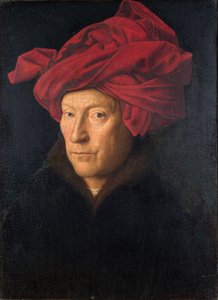
Jan Van Ejck
1390 - 1441 , Немачка
Osnovne informacije
- Datum Rođenja: c. 1390
- Datum Smrti: 1441
- Mesto Rođenja: Maastricht, Holandija
- Nacionalnost: Fleminski
- Puno Ime: Jan van Eyck
- Umetnici Pod Uticajem: ['Rana holandska škola']
- Umetnički Pokret: Rana holandska škola
- Značajna Dela:
- Gentski oltar
- Portret Arnolfinija
- Drezdenski triptih
- Čovek u plavom turbanu
Povezani članci

Early Netherlandish Renaissance: A Professional Guide to Mastering Detail and Realism for Luxury Interior Design
Expert guide for hotel designers on sourcing Early Netherlandish Renaissance reproductions. Discover how the hyper-realism of Jan van Eyck can elevate hospitality interiors through high-quality, large-scale oil paintings and custom multi-panel installations.


