


 Pregledaj u prostoru
 Pošalji
 Podeli
 Detalji o delu

 Преузми
 Slični predmeti
 Rendgenski snimak
 Slajdovi
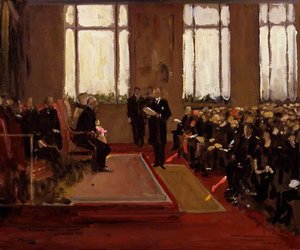
Parson Thomas
 Neoclassicism
 1800
1800 28.0 x 24.0 cm
 Pročitaj više
Ručno rađena uljana reprodukcija
Ručno oslikano uljanim bojama na platnu u dimenzijama i okviru po vašem izboru, izrađeno po porudžbini od strane naših umetnika. ( Kupi print Kupi digitalnu sliku)




































Izaberite jednu od naših unapred definisanih veličina koje odgovaraju originalnim proporcijama umetničkog dela.

Можете унети сопствене димензије како бисте прилагодили дело одређеном оквиру или простору. Ако одабрана величина не одговара пропорцијама оригинала, слика ће бити исечена или проширена додатним елементима који се ручно насликавају. Дигитални prikaz ће вам бити послат на одобрење пре почетка производње.
Имајте на уму да преглед на екрану не одражава стварно исецање или проширење. Само приказ (mockup) ће тачно приказати коначну композицију.
Иако су доступне прилагођене величине, препоручујемо да одаберете димензију из дефинисане листе како бисте сачували оригиналне пропорције.
Nakon narudžbine, tim AllPaintingsStore.com će klijentu putem e-pošte poslati uputstva i dostaviti prikaz predloženog rešenja
Isporuka širom sveta () za 3/4 nedelje umesto uobičajenih 5 nedelja. (15 август). Bez kompromisa po pitanju kvaliteta.

Besplatna ekspresna dostava širom sveta

Visokokvalitetno laneno platno

Kompletno osiguranje transporta

Garancija povraćaja carine i uvoznih dažbina

Garancija vernosti boja

Politika povrata u roku od 60 dana (samo u slučaju nedostataka)

Garancija povrata novca od 100%

Popust pri grupnoj kupovini
 Opcija sa staklom dostupna je samo za dimenzije manje od 110 cm

Parson Thomas
Tehnika reprodukcije
Dimenzije reprodukcije
-


Konačna cena
$ 258
Srodna umetnička dela




Biografija umetnika
John Henderson (1797 – 1878): A Collector’s Eye and a Legacy of Art
John Henderson, an English collector whose name is inextricably linked to the halls of the British Museum, National Gallery, and University of Oxford, represents more than just a wealthy patron of the arts. He was a pivotal figure in shaping the collections of these venerable institutions during the 19th century, driven by a deep appreciation for beauty, meticulous scholarship, and a profound understanding of artistic technique. Born into a family with roots in both art and philanthropy – his father, an amateur artist, fostered a love of aesthetics from a young age – Henderson’s life was dedicated to amassing a remarkable assemblage of paintings, drawings, ceramics, and antiquities, leaving behind a lasting impact on the cultural landscape of Britain.
His early years were marked by a rigorous education at Balliol College, Oxford, where he immersed himself in classical studies and developed a keen eye for detail. Rather than pursuing a career in law as initially intended, Henderson’s passion lay in the world of art and archaeology. He became a fellow of the Society of Antiquaries, demonstrating his commitment to preserving and understanding historical artifacts. This dedication extended beyond mere acquisition; he actively engaged with the artistic community, fostering relationships with prominent artists like Thomas Girtin and Joseph Mallord William Turner, who frequently worked in his home studio. His family’s modest income from rents on poor houses was supplemented by his father's artistic endeavors, creating a unique environment where art appreciation flourished.
The Formation of a Remarkable Collection
Henderson’s collection wasn’t built overnight; it evolved over decades through careful acquisition and astute judgment. He prioritized quality over quantity, focusing on works that demonstrated technical mastery, historical significance, and aesthetic appeal. His interests spanned a wide range of artistic disciplines, including British watercolors, Italian drawings, Venetian ceramics, and ancient Greek and Roman antiquities. Crucially, he wasn’t simply buying art; he was researching it, studying its provenance, and understanding the context in which it was created. This scholarly approach distinguished him from many wealthy collectors of his time, who often prioritized prestige over genuine knowledge.
His home at 3 Montague Street, Bloomsbury, became a veritable treasure trove, housing an impressive array of objects that reflected his diverse tastes and intellectual curiosity. He meticulously cataloged each piece, documenting its history, materials, and artistic merits. This systematic approach ensured that his collection would be preserved for future generations and readily accessible to scholars and art enthusiasts alike. The legacy of this collection is particularly evident in the British Museum’s holdings, where many of his prized possessions now reside, offering invaluable insights into 18th- and 19th-century artistic practices.
Bequests and Enduring Influence
Upon his death in 1878, Henderson left behind a substantial bequest to the British Museum, National Gallery, and University of Oxford. These generous gifts transformed the collections of these institutions, adding significant depth and breadth to their holdings. The British Museum received a remarkable assortment of watercolours by Turner, Girtin, Cozens, Cox, and Müller, along with Venetian ceramics, oriental arms, and Roman glass – objects that continue to fascinate visitors today. The National Gallery benefited from his collection of Italian drawings, while the University of Oxford gained valuable Greek and Roman antiquities.
Henderson’s influence extends beyond the specific artworks he bequeathed. His commitment to scholarship and preservation set a precedent for future collectors, demonstrating that art collecting could be both a personal passion and a contribution to the wider cultural community. His meticulous cataloging methods also provided a model for museum curators, emphasizing the importance of detailed documentation and research. The legacy of John Henderson is therefore not simply one of wealth and patronage; it’s a testament to his discerning eye, his intellectual curiosity, and his profound appreciation for the enduring power of art.
A Collector's Vision
John Henderson’s story highlights a fascinating intersection of personal passion, scholarly pursuit, and cultural philanthropy. He wasn’t merely accumulating objects; he was actively shaping the artistic landscape of Britain through his collecting activities. His dedication to understanding the history and technique behind each artwork ensured that his collection remained not only aesthetically pleasing but also intellectually stimulating. His legacy continues to resonate today, reminding us of the vital role that collectors play in preserving and promoting cultural heritage for generations to come.

john henderson
1797 - 1878
Osnovne informacije
- Artistic Movement Or Style: Collector/Art patron
- Artists Or Movements Influenced By This Artist:
- British Museum
- National Gallery
- Artists Who Influenced This Artist:
- Thomas Girtin
- J.M.W. Turner
- Date Of Birth: 1797
- Date Of Death: 1878
- Full Name: John Henderson
- Nationality: British
- Notable Artworks:
- Canaletto drawings
- Turner watercolors
- Girtin works
- Place Of Birth: London, England
Povezani članci
25 Remek-dela Džona Singera Sargenta: Portreti Elegancije i Svetlosti | AllPaintingsStore
Uronite u svet Džona Singera Sargenta! Otkrijte 25 remek-dela impresionizma i realizma, od portreta Madame X do fascinantnih akvarela. Inspiracija za dekoraciju enterijera & luksuzne reprodukcije slika na AllPaintingsStore.com.
25 Remek-dela Džona Konstebla: Lepota Engleske na Platnu | AllPaintingsStore
Uronite u svet Džona Konstebla! Otkrijte 25 remek-dela engleskog pejzaža, romantizma i seoske idile. Kupite reprodukcije slika vrhunskog kvaliteta za dekoraciju enterijera na AllPaintingsStore.com.

John George Brown: Capturing American Life & Sentiment in 19th-Century Genre Painting
Explore the captivating genre paintings of John George Brown, celebrated for his realistic depictions of 19th-century American life. Discover his legacy & find museum-quality reproductions at AllPaintingsStore.

The Enduring Legacy of Oil on Canvas: Technique, History & Aesthetic Impact
Explore the rich history & techniques of oil painting – from Renaissance masters to Impressionism. Discover pigments, layering methods, and why this timeless medium endures. Expert insights for artists & art enthusiasts.

Oil on Canvas: A Historical & Technical Exploration of a Timeless Artistic Medium
Explore the rich history & enduring techniques of oil painting on canvas. Discover the science behind its longevity, conservation practices, and contemporary relevance. Expert insights for art enthusiasts.



