


 Pregledaj u prostoru
 Pošalji
 Podeli
 Detalji o delu

 Преузми
 Slični predmeti
 Rendgenski snimak
 Slajdovi
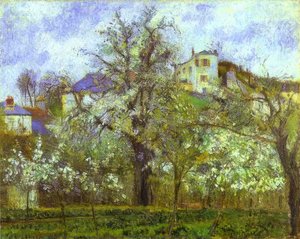
Early spring
 Pročitaj više
Giclee štampa / Umetnički otisak
Giclée štampa ili print na platnu muzejskog kvaliteta uz brzu proizvodnju i fleksibilne opcije završne obrade. ( Kupi ručno naslikanu sliku Kupi digitalnu sliku)




































Izaberite jednu od naših unapred definisanih veličina koje odgovaraju originalnim proporcijama umetničkog dela.

Možete uneti sopstvene dimenzije kako biste umetničko delo prilagodili specifičnom okviru ili prostoru. Ako odabrani format ne odgovara proporcijama originalne slike, mi ćemo ili iscrtati deo dela ili proširiti sliku pomoću ogledane ivice ili jednobojnog popunjavanja. Digitalni prikaz će vam biti poslat na odobrenje pre početka proizvodnje.
Imajte na umu da pregled na ekranu ne odražava stvarno iscrtavanje ili proširivanje. Samo će prikaz (mockup) precizno pokazati finalnu kompoziciju.
Iako su prilagođene dimenzije dostupne, preporučujemo da odaberete dimenziju sa unapred definisane liste kako biste očuvali originalne proporcije.
Dostava širom sveta () za 2 nedelje umesto uobičajenih 4/5 nedelja. (17 август)

Besplatna ekspresna dostava širom sveta

Visokokvalitetno laneno platno

Kompletno osiguranje transporta

Garancija povraćaja carine i uvoznih dažbina

Garancija vernosti boja

Politika povrata u roku od 60 dana (samo u slučaju nedostataka)

Garancija povrata novca od 100%

Popust pri grupnoj kupovini
 Opcija sa staklom dostupna je samo za dimenzije manje od 110 cm

Early spring
Giclee štampa / Umetnički otisak
Dimenzije reprodukcije
-


Konačna cena
$ 64
Srodna umetnička dela




Biografija umetnika
The Pastoral Vision of John William North
Born in the heart of London in January 1842, John William North emerged as a profound voice within the Victorian art scene, a painter whose soul seemed inextricably linked to the quiet rhythms of the English countryside. While his beginnings were rooted in the bustling urban landscape of Walham Green, his artistic journey would eventually lead him away from the city's clamor toward the serene, sun-drenched landscapes of the West Country. His early life was marked by a certain resilience; following a downturn in his family's drapery business, North navigated a childhood of shifting circumstances, yet he remained anchored by an insatiable thirst for literature and art. This intellectual foundation, paired with formal training at the prestigious Slade School of Fine Art, allowed him to develop a technical mastery that would later define his contribution to the Idyllist movement.
North’s artistic development was a delicate dance between the weight of tradition and the fresh light of modernity. He was deeply influenced by the monumental legacies of Turner and Constable, inheriting their reverence for atmospheric perspective and the emotional resonance of the natural world. However, North did not merely replicate the past; he infused his work with a meticulous realism that acted as a bridge to the burgeoning Impressionist movement. His technique, particularly when working with oils on canvas, involved a sophisticated layering of pigments to achieve a luminous, almost breathing quality in his landscapes. Through deliberate yet graceful brushstrokes, he captured the subtle nuances of light filtering through summer foliage or the soft glow of a departing sun, creating scenes that felt less like static images and perhaps more like captured moments of temporal beauty.
A Legacy of Light and English Idyls
The true essence of North’s oeuvre lies in his ability to transform the ordinary into the extraordinary. He found his greatest inspiration in the rolling hills of Devonshire and Dorset, where he could document the tranquil beauty of rural life with an intimacy that felt both nostalgic and immediate. His work often serves as a window into a vanished era, portraying village greens, barley fields, and quiet riverbanks with a sense of timelessness. One cannot discuss his achievements without mentioning "The Old Bowling Green," a masterpiece currently held at the Tate Britain, which exemplifies his skill in using light to evoke a profound sense of peace and communal nostalgia. Similarly, works such as "The Late Afternoon in England" showcase his capacity to render the atmospheric weight of a summer evening, where the landscape seems to hold its breath in the golden hour.
Beyond his oil paintings, North was a highly accomplished illustrator and watercolorist, contributing significantly to the visual culture of his time. His apprenticeship under the wood engraver Josiah Whymper provided him with a rigorous discipline in line and detail, skills that he later applied to his more expansive landscapes. As a prominent member of the Idyllists, alongside contemporaries like Frederick Walker, North helped cultivate a specific aesthetic of English pastoralism—one that celebrated the poetic, often idealized, beauty of the rural landscape. His historical significance rests in this unique synthesis: he was an artist who could honor the romantic traditions of his predecessors while embracing the textural and light-focused innovations of a new age, leaving behind a body of work that continues to resonate with anyone seeking the quiet magic of the English countryside.

john william north
1842 - 1924 , United Kingdom
Osnovne informacije
- Artistic Movement Or Style: Romantic Landscape Art
- Artists Or Movements Influenced By This Artist: ['Hudson Lowe']
- Artists Who Influenced This Artist: ['George Frederic Leighton']
- Date Of Birth: London, United Kingdom (1842)
- Date Of Death: Stamborough, Somerset (1924)
- Full Name: John William North
- Nationality: British
- Notable Artworks:
- The Old Bowling Green
- The Late Afternoon in England
- Place Of Birth: London



